
7 Key Tips for Medical Testing Kits Comparison
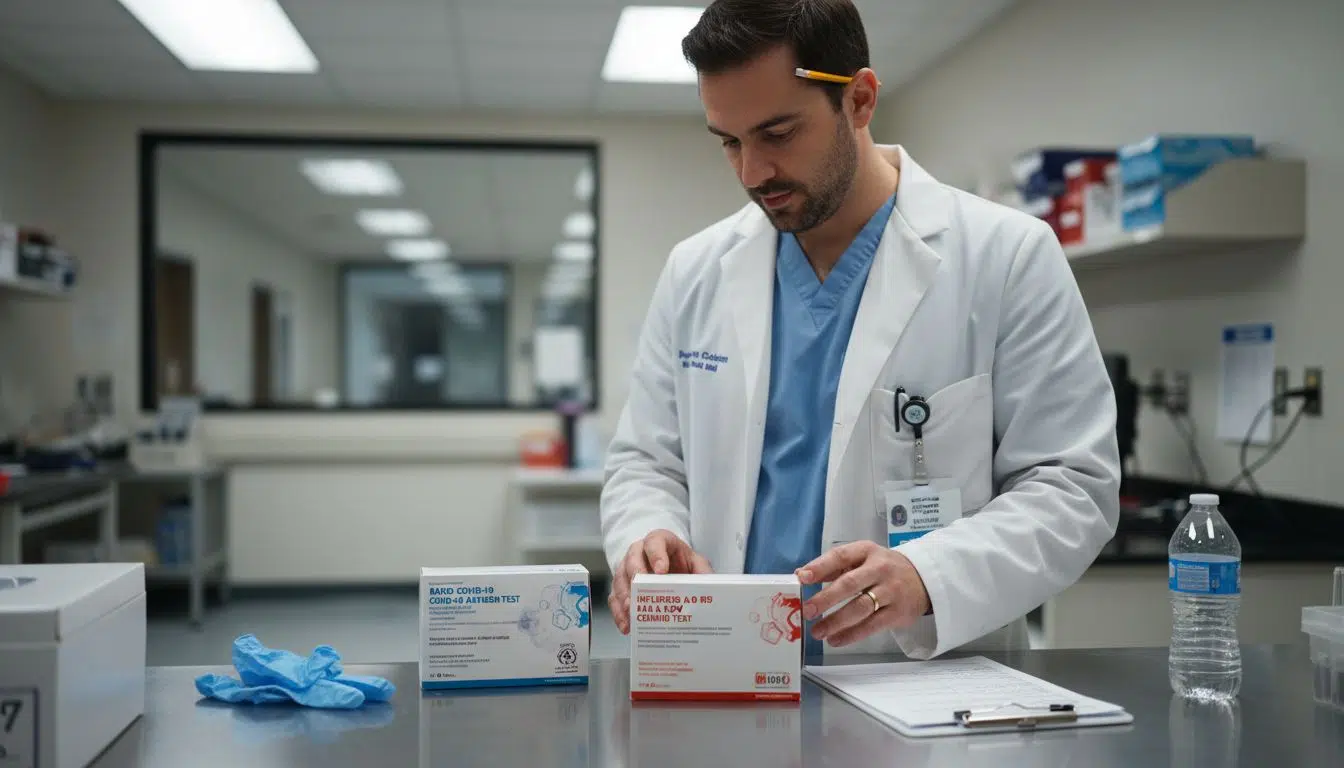
Choosing the right medical testing kits for your organization can feel overwhelming when every supplier claims to offer the fastest, most reliable options. Making an informed decision matters—not just for budget, but for regulatory compliance, patient safety, and accurate diagnosis. The process involves more than comparing prices or recognizing popular brands.
This list will show you how to break down the must-know factors, from panel counts to FDA approval standards, and even how to spot real discount opportunities. You will gain direct strategies that help you avoid costly mistakes and select kits perfectly matched to your testing needs. Get ready to discover actionable steps that turn uncertainty into confidence with every procurement choice.
Table of Contents
- Understand Different Types of Medical Testing Kits
- Compare Panel Counts for Targeted Testing Needs
- Evaluate Accuracy and FDA Approval Standards
- Assess Bulk Pricing and Discount Opportunities
- Consider Adulterant Detection Features
- Review Private Label and OEM Options
- Check Shipping Availability and Speed
Quick Summary
| Takeaway | Explanation |
|---|---|
| 1. Understand Testing Kit Types | Different kits detect diverse health conditions using various sample types and detection methods. |
| 2. Evaluate FDA Approval | Accurate testing kits require FDA compliance to ensure reliability and safety for patient diagnoses. |
| 3. Optimize Panel Counts | Selecting the appropriate panel size balances accuracy and testing costs based on specific needs. |
| 4. Consider Bulk Discounts | Bulk purchasing can significantly lower costs while maintaining quality, enhancing value for medical organizations. |
| 5. Ensure Adulterant Detection | Integrating advanced adulterant detection protects testing kit integrity and enhances diagnostic accuracy across samples. |
1. Understand Different Types of Medical Testing Kits
Medical testing kits represent a complex ecosystem of diagnostic tools designed to detect and analyze various health conditions quickly and accurately. The landscape of medical testing has dramatically evolved, offering procurement managers diverse options for efficient diagnostic screening.
These kits are categorized based on several critical factors:
- Sample Types: Blood, urine, saliva, swab, and breath samples
- Detection Mechanisms: Immunoassay, molecular, antigen, and antibody tests
- Target Conditions: Drug screening, infectious diseases, hormonal imbalances, genetic markers
Research from the Journal of Applied Laboratory Medicine highlights the significant expansion of rapid testing technologies particularly during the COVID-19 pandemic. These technologies utilize sophisticated methodologies like lateral flow immunoassays and isothermal amplification to provide rapid, accurate results.
Understanding the nuanced differences between testing kit types is crucial for making informed procurement decisions that impact patient care and organizational efficiency.
When comparing medical testing kits, procurement managers should evaluate:
- Accuracy percentage
- Detection time
- FDA approval status
- Panel complexity
- Cost per test
Advanced medical testing kits now offer multi-panel capabilities that can screen for numerous substances simultaneously, providing comprehensive diagnostic insights with a single test. This technological progression allows healthcare providers to conduct more thorough screenings efficiently.
Pro tip: Always verify the FDA approval and CLIA waiver status of medical testing kits before bulk purchasing to ensure regulatory compliance and diagnostic reliability.
2. Compare Panel Counts for Targeted Testing Needs
Selecting the right panel count in medical testing kits is a strategic decision that directly impacts diagnostic accuracy and cost-effectiveness. Each panel represents the number of substances or biomarkers a single test can detect simultaneously.
Panel Size Considerations:
- 5-panel tests: Basic screenings
- 8-panel tests: Comprehensive substance screenings
- 12-panel tests: Advanced multi substance detection
- 16-panel tests: Maximum diagnostic coverage
Research demonstrates that carefully selecting molecular panel sizes enables targeted testing tailored to specific clinical contexts. Procurement managers must balance diagnostic depth with budget constraints.
The optimal panel count depends on your specific organizational testing requirements and patient population needs.
When comparing panel counts, evaluate these key factors:
- Detection range of substances
- Cost per test
- Turnaround time
- Specificity of results
- Regulatory compliance
Some organizations benefit from multi-panel drug screening that provides comprehensive insights without multiple separate tests. This approach reduces testing time and overall screening expenses.
Pro tip: Always match panel complexity with your specific testing objectives to optimize diagnostic accuracy and cost-efficiency.
3. Evaluate Accuracy and FDA Approval Standards
Accuracy and regulatory compliance are critical considerations when selecting medical testing kits. Procurement managers must navigate complex standards to ensure the reliability and legal acceptability of diagnostic tools.
Key Regulatory Benchmarks:
- FDA approval status
- Clinical sensitivity percentages
- Detection threshold levels
- Reproducibility of results
- Validation documentation
The U.S. FDA provides rigorous oversight through multiple regulatory approval pathways that ensure diagnostic test quality and safety. These pathways include 510(k) clearance and Premarket Approval (PMA) processes.
Medical testing kit accuracy is not just a technical specification it is a patient safety imperative.
When evaluating testing kit accuracy procurement managers should assess:
- Sensitivity rates
- Specificity percentages
- False positive potential
- Manufacturer validation studies
- Independent third-party verification
Clinical Verification Metrics help organizations distinguish between high-quality and substandard testing kits. Systematic reviews consistently demonstrate significant variations in diagnostic performance across different manufacturers.
Pro tip: Request comprehensive validation documentation and cross-reference FDA approval status before finalizing any medical testing kit procurement decision.
4. Assess Bulk Pricing and Discount Opportunities
Bulk purchasing of medical testing kits represents a strategic approach for procurement managers seeking cost-effective solutions. Understanding pricing structures and negotiation opportunities can significantly reduce organizational testing expenses.
Bulk Purchasing Strategies:
- Volume-based discounts
- Long-term contract negotiations
- Seasonal pricing variations
- Bundled panel test opportunities
- Wholesale pricing tiers
Procurement professionals should carefully analyze pricing models that offer graduated discount structures. Many manufacturers provide increasingly attractive per-unit pricing as order quantities increase.
Effective bulk purchasing is about more than just lowest price it is about maximizing value and maintaining quality standards.
When evaluating bulk pricing consider:
- Minimum order quantities
- Price breaks at different volume levels
- Shipping and handling costs
- Storage requirements
- Expiration date considerations
Cost Optimization Techniques help organizations balance budget constraints with comprehensive testing needs. Strategic bulk purchases can reduce per-test costs by 20-40% compared to smaller order quantities.
Pro tip: Request detailed pricing breakdowns and compare total cost of ownership across multiple suppliers before finalizing your medical testing kit procurement strategy.
5. Consider Adulterant Detection Features
Medical testing kit integrity depends critically on advanced adulterant detection capabilities. Procurement managers must understand how sophisticated technologies can prevent sample manipulation and ensure accurate diagnostic results.
Key Adulterant Detection Components:
- Chemical interference markers
- Temperature validation strips
- pH level verification
- Specific gravity sensors
- Oxidant screening mechanisms
Research highlights emerging spectroscopic detection technologies that enable more comprehensive sample integrity assessments. These advanced methods can identify subtle chemical modifications designed to circumvent testing protocols.
Adulterant detection is not just a technical feature it is a fundamental safeguard for diagnostic accuracy.
When evaluating adulterant detection features consider:
- Range of detectable interference substances
- Sensitivity of detection mechanisms
- False positive prevention capabilities
- Reporting transparency
- Compliance with industry standards
Comprehensive Testing Strategies provide organizations with multilayered protection against potential sample tampering. Modern testing kits can now detect up to 12 different adulterant types with remarkable precision.
Pro tip: Select medical testing kits with multi-mechanism adulterant detection to maximize your diagnostic reliability and maintain the highest standards of testing integrity.
6. Review Private Label and OEM Options
Private label and Original Equipment Manufacturer (OEM) medical testing kits offer procurement managers strategic opportunities to customize and differentiate their diagnostic solutions. These options enable organizations to develop branded testing products that precisely match their specific requirements.
Private Label and OEM Advantages:
- Customized branding
- Tailored panel configurations
- Lower initial development costs
- Faster market entry
- Competitive differentiation
The regulatory frameworks for laboratory-developed tests indicate complex but balanced standards that support innovation while maintaining patient safety.
Private label options transform medical testing from a standardized commodity into a strategic organizational asset.
When evaluating private label and OEM opportunities consider:
- Manufacturing partner capabilities
- Quality control standards
- Regulatory compliance processes
- Minimum order quantities
- Product customization flexibility
Strategic Branding Considerations allow organizations to create unique testing solutions that reflect their specific clinical or operational needs. Successful private label programs can reduce per-unit costs by 15-30% compared to traditional procurement models.
Pro tip: Conduct thorough due diligence on potential OEM partners to ensure they can meet your precise technical specifications and quality standards.
7. Check Shipping Availability and Speed
Shipping logistics for medical testing kits are critical considerations that extend far beyond simple transportation. Procurement managers must evaluate comprehensive shipping strategies that ensure product integrity, timely delivery, and regulatory compliance.
Shipping Capability Factors:
- Nationwide delivery coverage
- Temperature-controlled transport
- Expedited shipping options
- International shipping capabilities
- Real-time tracking mechanisms
Leading logistics providers offer specialized medical diagnostics shipping solutions designed to maintain product quality throughout transportation.
Efficient shipping is not just about speed it is about preserving the diagnostic integrity of medical testing kits.
When evaluating shipping options consider:
- Delivery time frames
- Handling procedures
- Package temperature maintenance
- Tracking transparency
- Insurance coverage
Logistics Performance Metrics help organizations select shipping partners that understand the unique requirements of medical testing kit transportation. Advanced shipping solutions can reduce delivery times by 40% while maintaining stringent quality control standards.
Pro tip: Request detailed shipping protocols and temperature tracking documentation from potential logistics providers to ensure your medical testing kits arrive in optimal condition.
Below is a comprehensive table summarizing the main considerations and insights regarding medical testing kits as discussed in the article.
| Aspect | Details | Key Considerations |
|---|---|---|
| Types of Testing Kits | Categorized by sample types, detection methods, and target conditions. | Examples include blood tests, immunoassays, and multi-panel screenings. |
| Panel Complexity | Single test detects multiple substances simultaneously. | Common configurations: 5-panel, 8-panel, 12-panel, and 16-panel for varying needs. |
| Accuracy and Compliance | Evaluates sensitivity, specificity, and approval status. | Critical for ensuring patient safety and legal compliance. |
| Adulterant Detection | Ensures sample integrity using advanced technologies. | Includes temperature validation, chemical markers, and interference screening. |
| Bulk Purchasing | Strategic procurement to lower per-test costs. | Benefits include price discounts and contractual advantages. |
| Private Label Options | OEM solutions for tailored branding and features. | Offers competitive differentiation and reduced costs. |
| Shipping Logistics | Maintains product integrity during transportation. | Includes expedited delivery, temperature control, and real-time tracking. |
Streamline Your Medical Testing Kit Procurement with Slash Medical
Navigating the complexities of medical testing kit comparison can be overwhelming. From evaluating panel counts and accuracy to ensuring FDA approval and adulterant detection, the stakes are high when patient safety and cost-efficiency are on the line. At Slash Medical you gain access to over 400 FDA-approved and CLIA-waived testing supplies including drug test cups, dip cards, and multi-panel kits designed to meet your exact screening needs.
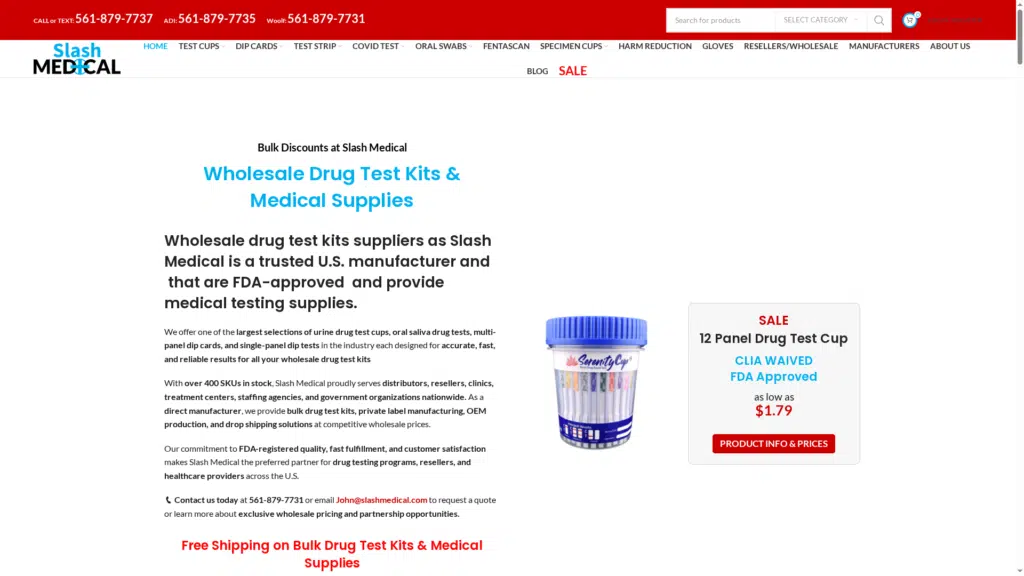
Don’t let bulk pricing, regulatory compliance, or shipping logistics slow your operation down. Visit Slash Medical to explore our detailed product catalog, take advantage of competitive discount pricing, and discover private label and OEM services tailored for clinics, staffing agencies and government programs. Act now to upgrade your testing program with trusted supplies and nationwide shipping designed to protect accuracy and ensure timely delivery. Start optimizing your procurement strategy today by browsing our extensive offerings at Slash Medical wholesale supplies and experience how easy it is to buy with confidence.
Frequently Asked Questions
What should I consider when evaluating different types of medical testing kits?
When evaluating medical testing kits, consider sample types, detection mechanisms, and target conditions. Focus on factors like accuracy, detection time, and FDA approval to make informed decisions that impact patient care.
How do panel counts affect the effectiveness of medical testing kits?
Panel counts indicate the number of substances or biomarkers detected in a single test. Choose a panel count that matches your organization’s testing needs, balancing diagnostic depth and cost-effectiveness to enhance screening efficiency.
What factors should I assess to ensure the accuracy of medical testing kits?
Assess sensitivity rates, specificity percentages, and false positive potential to ensure accuracy. Request comprehensive validation documentation and check FDA approval status for each kit to maintain diagnostic reliability.
How can I optimize my bulk purchasing strategy for medical testing kits?
To optimize bulk purchasing, focus on volume-based discounts and negotiate long-term contracts with suppliers. Analyze pricing models to reduce per-test costs by 20-40% when ordering larger quantities.
What adulterant detection features should I look for in testing kits?
Look for kits with multiple adulterant detection mechanisms, such as chemical interference markers and temperature validation strips. This ensures accurate results and minimizes the risk of sample manipulation, providing reliable diagnostics.
How can shipping options impact the procurement of medical testing kits?
Shipping options impact the integrity and timely delivery of medical testing kits. Evaluate logistics performance metrics, including temperature-controlled transport and tracking mechanisms, to ensure your kits arrive in optimal condition.