
How to Organize Clinic Drug Testing Effectively
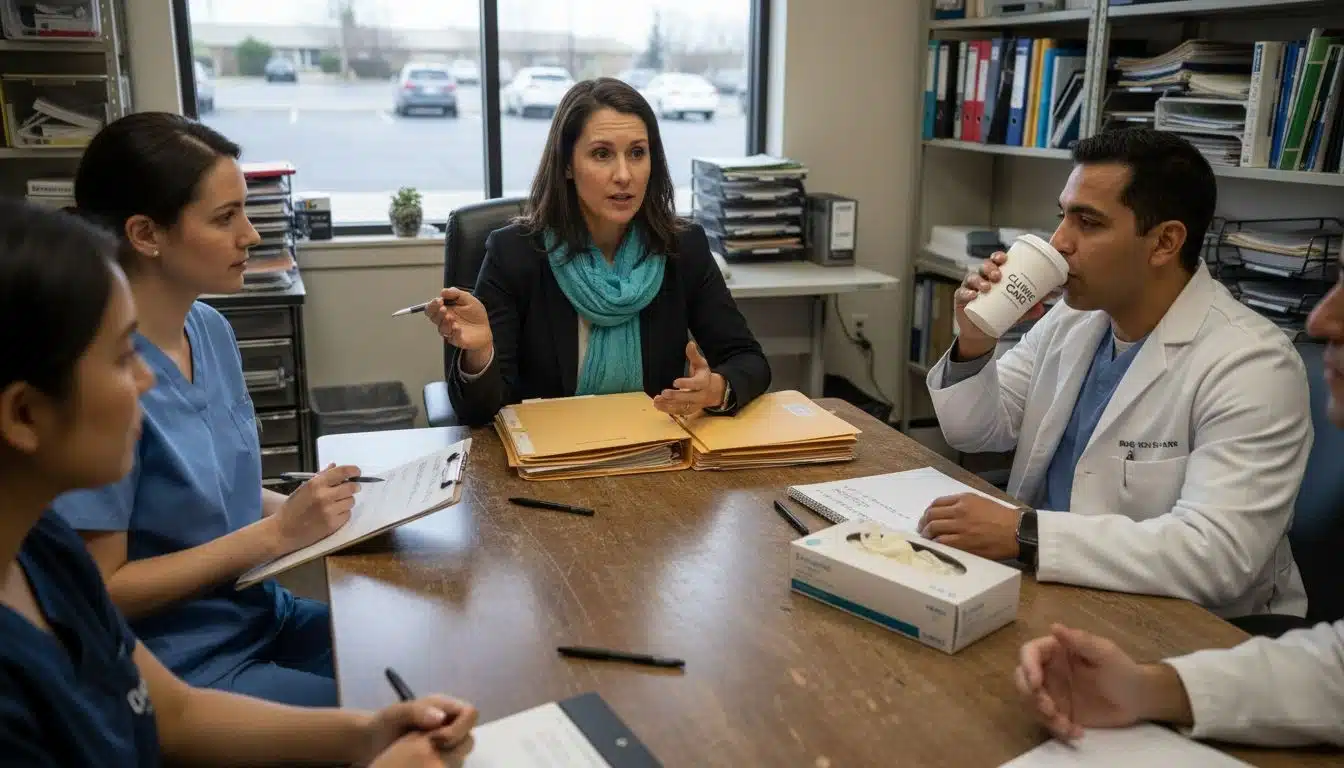
Over sixty percent of American treatment centers report challenges with maintaining drug testing compliance, reflecting a global struggle to keep up with ever changing standards. Clinical managers like you face complex decisions daily, from choosing supplies to navigating strict legal frameworks. Discover how a focused, step by step approach how to organize clinic drug testing that can help your center create a safer environment for both staff and patients while staying ahead of regulatory demands.
Table of Contents
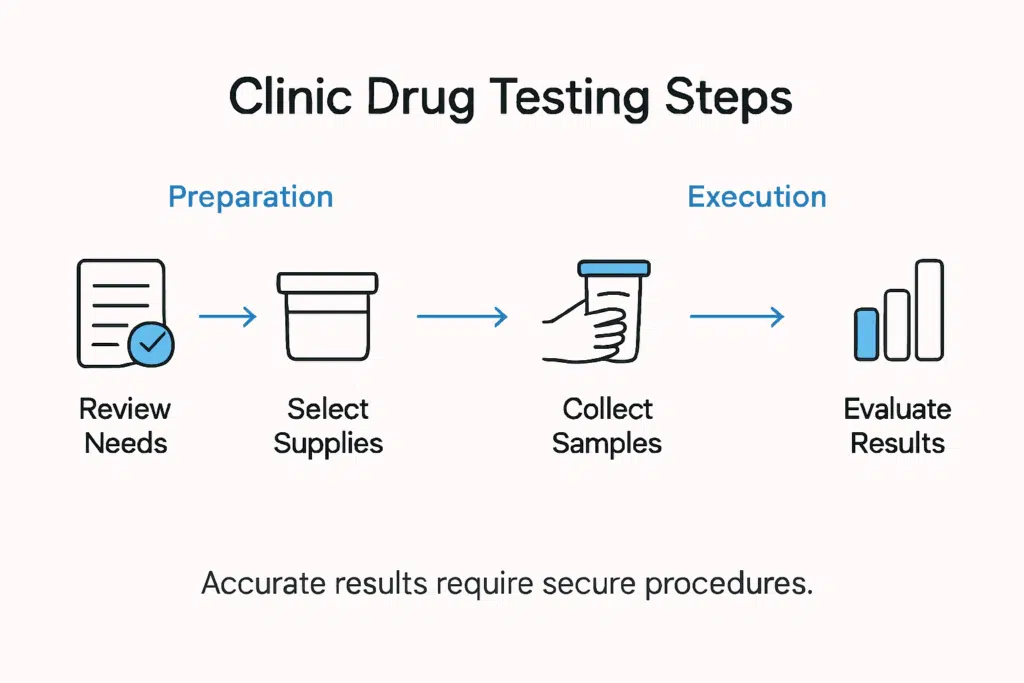
- Step 1: Assess Organizational Drug Testing Needs
- Step 2: Select Appropriate Drug Testing Supplies
- Step 3: Develop Secure Testing Procedures
- Step 4: Train Clinical Staff In Workflow
- Step 5: Monitor Compliance And Evaluate Results
Quick Summary
| Key Insight | Explanation |
|---|---|
| 1. Assess Organizational Needs | Understand your clinic’s unique risks and substance abuse landscape before implementing a drug testing program. |
| 2. Choose Suitable Testing Supplies | Select drug testing supplies based on specific detection requirements to ensure accurate and reliable results. |
| 3. Establish Secure Procedures | Develop robust testing procedures to maintain privacy and integrity while ensuring accurate results through proper handling. |
| 4. Train Staff Effectively | Implement a structured training program that prepares staff to consistently execute drug testing protocols. |
| 5. Monitor Compliance Regularly | Continuously evaluate the drug testing program’s effectiveness and compliance through established performance metrics and audits. |
Step 1: Assess organizational drug testing needs
Successfully implementing a drug testing program starts with thoroughly understanding your clinic’s unique needs and potential risks. This critical first step helps you develop a targeted strategy that protects both patient safety and organizational integrity.
Begin by conducting a comprehensive review of your clinic’s current substance abuse landscape. This involves analyzing workplace data, examining past incidents, and understanding potential risk factors specific to your medical environment. Pay close attention to roles that involve direct patient care, medication management, or high-stress clinical settings where substance impairment could pose significant dangers. Federal regulations for workplace drug testing provide clear guidance on identifying positions that require mandatory screening.
Your assessment should include multiple dimensions: legal compliance, safety protocols, potential liability, and employee wellness. Consider consulting with human resources, legal counsel, and clinical leadership to create a holistic view of your drug testing requirements. Review existing employee assistance programs and substance abuse resources that can support a comprehensive approach beyond just testing.
Pro Tip: Develop a standardized assessment template that captures key organizational risk factors and helps you consistently evaluate drug testing needs across different departments and roles.
Step 2: Select appropriate drug testing supplies
Choosing the right drug testing supplies is crucial for ensuring accurate, reliable, and comprehensive screening in your clinical setting. This step will help you navigate the complex landscape of drug testing equipment and make informed decisions that protect both patient safety and organizational effectiveness.
Start by understanding the specific detection needs of your clinic. Recommendations from clinical addiction medicine experts emphasize the importance of selecting testing panels that match your clinical context. Consider factors such as the detection window, types of biological samples you will use (urine, oral fluid, hair), and the specific substances most relevant to your patient population. Different testing methodologies offer varying levels of sensitivity and specificity, so align your supplies with the unique substance abuse trends in your region.
Collaborate with your laboratory professionals to stay current on emerging drug detection technologies. Medical professionals recognize that drug usage patterns continuously evolve, requiring adaptive testing strategies. Evaluate multi panel test kits that can screen for multiple substances simultaneously, and ensure your chosen supplies comply with clinical standards and regulatory requirements. Consider factors like ease of administration, result turnaround time, and the ability to detect both common and emerging substances.
Pro Tip: Invest in testing supplies that offer comprehensive screening with adulterant detection to maximize the reliability and accuracy of your drug testing program.
Here’s a comparison of drug testing sample types and their ideal use cases:
| Sample Type | Detection Window | Best for | Limitations |
|---|---|---|---|
| Urine | 1-4 days | Routine clinical testing | Easiest to adulterate |
| Oral Fluid | 12-48 hours | Recent use detection | Shorter detection period |
| Hair | Up to 90 days | Long-term substance use | Does not show recent use |
| Blood | Hours to 2 days | Impairment confirmation | Invasive, costly, time bound |
Step 3: Develop secure testing procedures
Creating robust and reliable drug testing procedures is essential for maintaining the integrity of your clinical screening process. This critical step ensures that your testing methodology protects both patient privacy and organizational standards while providing accurate and defensible results.
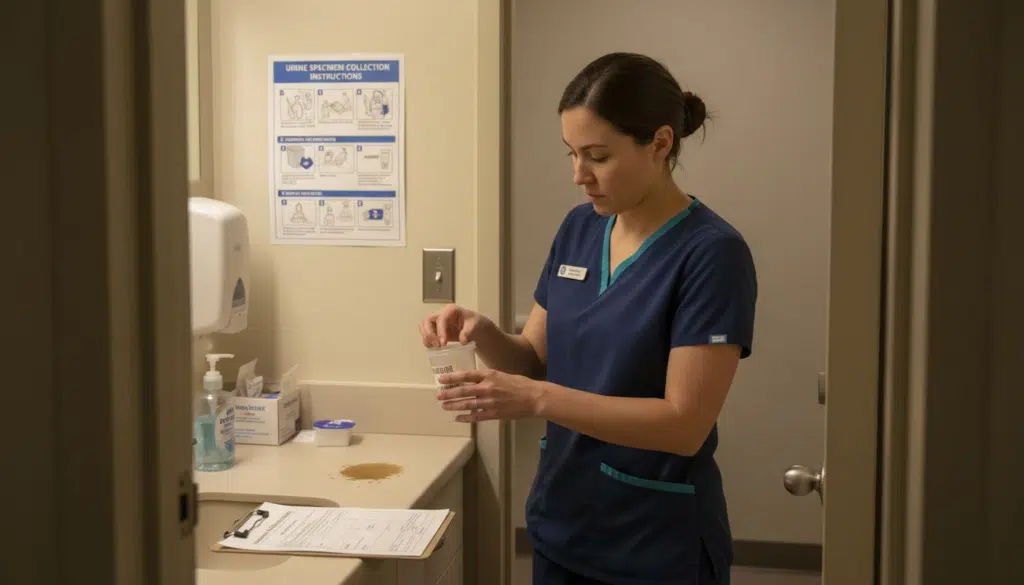
Comprehensive guidelines from addiction medicine experts emphasize the importance of developing standardized specimen collection and handling protocols. Establish a clear chain of custody process that tracks each sample from collection through laboratory analysis. This means implementing strict documentation procedures, using tamper evident containers, and creating a transparent process where every individual handling the specimen can be identified and verified.
Focus on developing comprehensive specimen validity testing methods that can detect potential adulteration or substitution attempts. This involves training staff on proper collection techniques, using temperature strips to verify sample authenticity, and implementing rigorous laboratory validation protocols. Consider establishing multiple verification steps that include initial screening, confirmation testing, and forensic review to ensure the highest possible accuracy. Integrate technical safeguards like controlled collection environments, witnessed sample collections when appropriate, and advanced laboratory techniques that can identify even sophisticated attempts to manipulate test results.
Pro Tip: Develop a comprehensive staff training program that covers every aspect of specimen collection and handling to minimize human error and potential procedural vulnerabilities.
Step 4: Train clinical staff in workflow
Effective drug testing programs depend on well-trained staff who understand complex protocols and can execute them consistently and professionally. This critical step ensures that every team member knows their role in maintaining the integrity and accuracy of your drug testing process. Comprehensive training guidelines from workplace substance use experts emphasize the importance of structured educational programs for clinical staff. Design a comprehensive training curriculum that covers all aspects of drug testing procedures, including proper specimen collection techniques, chain of custody documentation, confidentiality protocols, and legal requirements. Your training should include both theoretical instruction and hands on practical sessions that simulate real world scenarios, allowing staff to practice their skills in a controlled environment.
Implement a tiered training approach that addresses different roles within your clinical setting. Create specialized modules for specimen collectors, laboratory technicians, administrators, and supervisory personnel. Each training session should include detailed instruction on recognizing potential procedural errors, understanding the scientific principles behind drug testing, and maintaining professional standards. Regularly update your training materials to reflect emerging technologies, changing regulations, and best practices in drug testing methodology.
Pro Tip: Develop a periodic recertification process that requires staff to demonstrate competency and stay current with the latest drug testing protocols and technologies.
Step 5: Monitor compliance and evaluate results
A successful drug testing program requires continuous oversight and systematic evaluation to ensure ongoing effectiveness and regulatory compliance. This critical step transforms your drug testing process from a static procedure into a dynamic quality management system. Comprehensive FDA guidance on clinical investigation monitoring recommends implementing a risk-based approach to tracking and analyzing drug testing results. Develop a robust tracking system that documents each stage of testing, from specimen collection through final reporting. Create detailed dashboards that capture key performance metrics including testing volumes, positive result rates, chain of custody compliance, and turnaround times. Use statistical analysis to identify trends, potential procedural vulnerabilities, and opportunities for process improvement.
Establish a formal review process involving medical review officers who can provide expert interpretation of test results. This team should systematically evaluate each positive result, verify testing protocols, and ensure that all documentation meets legal and clinical standards. Implement regular internal audits that check for procedural consistency, staff adherence to established protocols, and alignment with current regulatory requirements. These periodic reviews will help you proactively identify and address potential weaknesses in your drug testing workflow before they become significant compliance issues.
Below is a summary of key performance metrics to monitor in a drug testing program:
| Metric | Description | Why It Matters |
|---|---|---|
| Positive Rate | Percentage of positive results | Reveals substance use trends |
| Chain of Custody Issues | Documentation or handling discrepancies | Indicates procedural weak points |
| Turnaround Time | Time from collection to result reporting | Influences decision-making speed |
| Audit Compliance Score | Degree of protocol and regulatory adherence | Reflects overall program health |
Pro Tip: Create a confidential feedback mechanism that allows staff to report potential workflow inefficiencies or compliance concerns without fear of reprisal.
Streamline Your Clinic Drug Testing with Trusted Supplies from Slash Medical
Organizing an effective clinic drug testing program requires precise assessment, reliable supplies, and secure procedures to maintain accuracy and compliance. Managing challenges such as selecting the right testing panels, ensuring specimen validity, and training clinical staff can feel overwhelming. Slash Medical is here to simplify this process by offering an extensive range of FDA-approved and CLIA waived drug test kits tailored for clinical environments. Our diverse product line includes urine and oral fluid drug test cups, dip cards, and adulterant detection kits designed to meet your clinic’s unique screening needs.
Take control of your drug testing program today by partnering with a wholesale supplier who understands the demands of healthcare settings. Explore our comprehensive catalog to find bulk purchasing options, private label manufacturing, and nationwide shipping that support consistent testing workflows while preserving patient safety and regulatory compliance. Start enhancing your clinic’s drug testing efficiency now at Slash Medical and discover how quality supplies empower your team to deliver reliable results with confidence.
Frequently Asked Questions
How do I assess my clinic’s drug testing needs?
Start by conducting a comprehensive review of your clinic’s current substance abuse landscape. Analyze workplace data, past incidents, and specific risk factors to create a strategy that ensures patient safety and organizational integrity.
What supplies should I select for effective drug testing in my clinic?
Choose drug testing supplies that align with your clinic’s detection needs, considering factors like the detection window and the types of biological samples. Collaborate with laboratory professionals to stay updated on emerging drug detection technologies and select multi-panel test kits when appropriate.
How can I develop secure testing procedures for drug testing?
Create standardized specimen collection and handling protocols to maintain testing integrity. Implement a clear chain of custody process that includes strict documentation, tamper-evident containers, and systematic verification steps for accuracy.
How to organize clinic drug testing: What staff training is required?
Consistent execution is key. Your training curriculum should cover proper specimen collection techniques, confidentiality protocols, and legal requirements. Including hands-on simulations helps staff minimize human error and handle real-world scenarios professionally.
How do I monitor compliance and evaluate my drug testing results?
Establish a robust tracking system to document each stage of testing and create dashboards to capture key performance metrics. Conduct regular internal audits to ensure procedural consistency and address any potential weaknesses promptly.
What performance metrics should I monitor in my drug testing program?
Monitor key metrics such as the positive rate, chain of custody issues, turnaround time, and audit compliance score. These metrics help identify trends and opportunities for improvement, allowing for a more effective program overall.