
Drug Testing Compliance: Ensuring Reliable Results

Choosing the right drug testing solutions is rarely straightforward for clinic and treatment center leaders in the United States and Canada. Regulatory frameworks require absolute precision in drug testing compliance, while misconceptions about testing accuracy or legal liabilities can lead to costly missteps. This guide explains how certified methods, rigorous protocols, and a clear understanding of common pitfalls help you safeguard patient trust, reduce compliance risks, and meet evolving federal standards.
Table of Contents
- Defining Drug Testing Compliance And Misconceptions
- Types Of Drug Tests And Compliance Standards
- Key Regulations Governing Drug Testing Practices
- Responsibilities Of Clinics And Treatment Centers
- Risks, Liabilities, And Common Pitfalls
- Best Practices For Achieving Compliance
Key Takeaways
| Point | Details |
|---|---|
| Understanding Drug Testing Compliance | Drug testing compliance encompasses scientific, legal, and procedural standards that ensure accurate substance detection for workplace safety. |
| Misconceptions and Accuracy | Many misconceptions about drug tests exist; careful interpretation and adherence to protocols are essential for reliable results. |
| Regulatory Frameworks | Compliance with federal regulations, including specimen collection and testing procedures, is crucial for legal and operational integrity in drug testing. |
| Best Practices for Implementation | Organizations should develop comprehensive policies, conduct regular training, and maintain thorough documentation to achieve effective drug testing compliance. |
Defining Drug Testing Compliance and Misconceptions
Drug testing compliance represents a complex framework of scientific, legal, and procedural standards designed to ensure accurate substance detection and workplace safety. Drug testing protocols involve systematic approaches for identifying the presence of specific substances across various biological samples like urine, blood, and hair.
The core objectives of drug testing compliance include multiple critical dimensions:
- Detecting potential substance use in regulated environments
- Maintaining workplace safety standards
- Providing objective evidence for medical or legal interventions
- Protecting organizational and individual interests through standardized procedures
Misconceptions about drug testing often stem from limited understanding of scientific methodologies. Many individuals mistakenly believe drug tests are infallible, when in reality, they require careful interpretation and confirmatory procedures. Federal drug testing standards mandate specific protocols to mitigate potential errors and ensure reliable outcomes.
Complex drug testing compliance involves navigating intricate regulatory landscapes. Key compliance requirements typically encompass:
- Using certified laboratory testing facilities
- Following strict sample collection protocols
- Maintaining rigorous chain-of-custody documentation
- Implementing comprehensive employee screening programs
- Ensuring consistent and fair testing procedures
Accuracy Factors play a significant role in drug testing reliability. False positives or negatives can occur due to multiple variables, including medication interactions, individual metabolic differences, and testing methodologies.
Drug testing is a nuanced scientific process requiring expert interpretation, not a simple pass/fail mechanism.
Pro tip: Always consult certified medical professionals and follow established regulatory guidelines when implementing drug testing programs.
Types of Drug Tests and Compliance Standards
Drug testing involves multiple sophisticated methods designed to detect substance use across different biological specimens. Transportation drug testing protocols outline comprehensive approaches for identifying potential substance abuse in regulated environments.
The primary types of drug tests include:
- Urine Tests: Most common method, detecting recent drug metabolites
- Blood Tests: Captures immediate drug presence with high precision
- Oral Fluid Tests: Less invasive, ideal for recent substance use detection
- Hair Follicle Tests: Provides extended historical drug exposure information
- Sweat Patch Tests: Continuous monitoring of drug use over extended periods
Compliance Standards are critical in ensuring the validity and reliability of drug testing procedures. Public health testing guidelines mandate specific protocols to maintain accurate and legally defensible results.
Each testing method offers unique advantages and detection capabilities:
- Urine Testing: Detects recent drug use within 2-7 days
- Blood Testing: Captures drugs actively circulating in the bloodstream
- Hair Follicle Testing: Can reveal drug use up to 90 days prior
- Oral Fluid Testing: Identifies very recent substance consumption
Detection Windows vary significantly across different testing methodologies, requiring careful selection based on specific organizational needs and regulatory requirements.
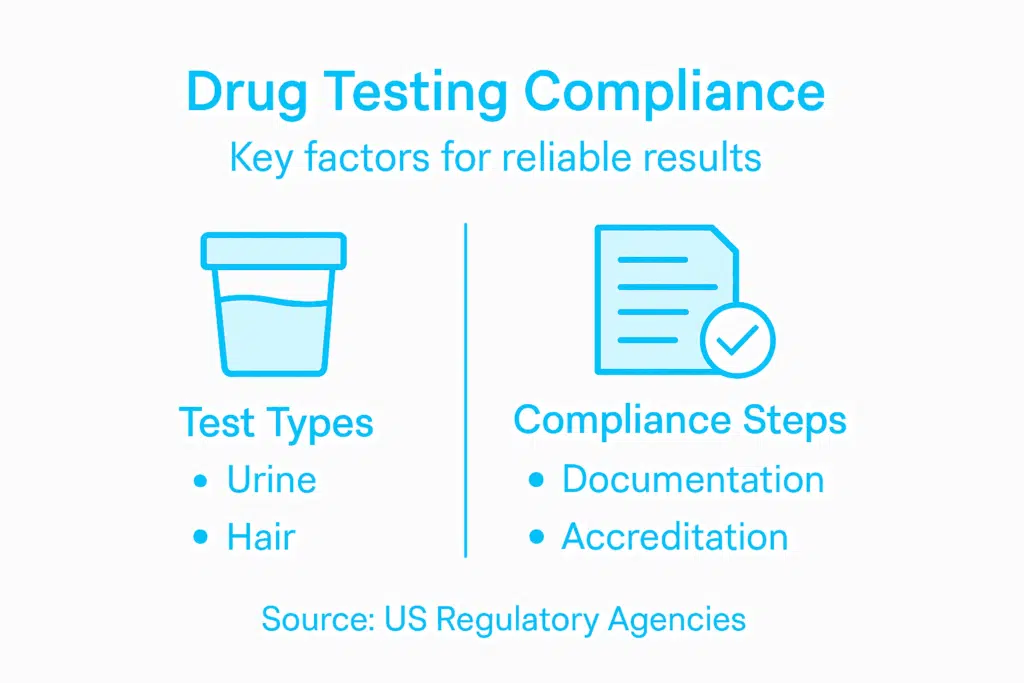
Here’s a clear comparison of drug testing methods and their practical applications:
| Test Type | Detection Window | Typical Use Case | Limitations |
|---|---|---|---|
| Urine | 2-7 days | Routine workplace screening | May miss very recent use |
| Blood | Hours to 2 days | Legal/medical cases requiring precision | Requires invasive collection |
| Oral Fluid | Up to 48 hours | Quick screenings and road tests | Short detection period |
| Hair Follicle | Up to 90 days | Historical substance use analysis | Cannot detect recent use |
| Sweat Patch | Up to 7–14 days | Continuous monitoring | Limited substance specificity |
Accurate drug testing relies not just on the method, but on strict adherence to standardized collection and analysis procedures.
Pro tip: Consult certified medical professionals to select the most appropriate drug testing method for your specific regulatory and organizational requirements.
Key Regulations Governing Drug Testing Practices
Drug testing federal regulations establish comprehensive guidelines that organizations must follow to ensure consistent and legally compliant substance screening processes. These regulations provide a structured framework for workplace drug testing, addressing critical aspects of testing methodology, privacy, and employee protection.
Key regulatory components include:
- Standardized specimen collection protocols
- Precise laboratory testing procedures
- Confidentiality and privacy protections
- Medical review officer oversight
- Transparent reporting mechanisms
- Consistent cutoff levels for substance detection
The Department of Transportation (DOT) and Department of Health and Human Services (HHS) play pivotal roles in establishing these regulatory standards. Federal workplace drug testing guidelines provide detailed specifications for drug testing programs across various industries.
Critical regulatory requirements encompass multiple dimensions:
- Mandatory panel configurations for drug screening
- Specific testing method approvals
- Detailed documentation standards
- Strict confidentiality protocols
- Regular program auditing mechanisms
Compliance Frameworks demand meticulous attention to procedural details, ensuring that drug testing practices maintain scientific integrity and legal defensibility.
Successful drug testing compliance requires understanding not just the rules, but the underlying principles of fair and accurate screening.
Pro tip: Regularly review and update your drug testing protocols to maintain alignment with the most current federal regulatory requirements.
Responsibilities of Clinics and Treatment Centers
Drug testing protocols for clinical settings represent a critical component of comprehensive patient care and substance abuse management. Treatment centers must approach drug testing as a nuanced diagnostic tool that provides insights into patient health and treatment progress, rather than a standalone punitive measure.
Key responsibilities for clinics and treatment centers include:
- Implementing standardized specimen collection procedures
- Maintaining strict chain of custody documentation
- Ensuring patient privacy and confidentiality
- Integrating drug testing results into holistic treatment plans
- Coordinating with medical review officers
- Utilizing appropriate testing methodologies
Regulatory Compliance demands meticulous attention to multiple dimensions of drug testing implementation. Controlled substance management guidelines(EO-DEA169)_NTP_manual_Final.pdf) require treatment centers to develop comprehensive protocols that prevent substance diversion while supporting patient recovery.
Critical operational responsibilities encompass:
- Accurate and consistent test result documentation
- Regular staff training on testing procedures
- Maintaining secure storage of testing materials
- Implementing rigorous quality control measures
- Developing transparent reporting mechanisms
Ethical Considerations are paramount in drug testing practices. Treatment centers must balance scientific accuracy with compassionate patient care, recognizing that test results are diagnostic tools, not definitive judgments.
Drug testing in clinical settings is a collaborative process focused on patient health and rehabilitation, not punishment.
Pro tip: Develop a comprehensive drug testing policy that prioritizes patient privacy, scientific accuracy, and supportive rehabilitation strategies.
Risks, Liabilities, and Common Pitfalls
Drug testing compliance risks represent complex legal and operational challenges that organizations must carefully navigate to avoid significant financial and regulatory consequences. Understanding these potential pitfalls is crucial for maintaining comprehensive drug testing integrity and organizational protection.
Critical risk areas include:
- Improper documentation procedures
- Inadequate staff training
- Inconsistent testing protocols
- Breach of patient confidentiality
- Failure to follow regulatory guidelines
- Incorrect specimen handling
Legal Vulnerabilities can emerge from multiple operational shortcomings. Workplace drug testing challenges demonstrate that seemingly minor procedural errors can result in substantial legal and financial risks for organizations.
Specific liability risks encompass:
- Potential discrimination claims
- Wrongful termination lawsuits
- Regulatory fines and penalties
- Loss of operational licenses
- Reputational damage
Procedural Errors frequently represent the most significant source of organizational vulnerability. These mistakes can compromise test reliability, violate employee rights, and expose organizations to substantial legal challenges.
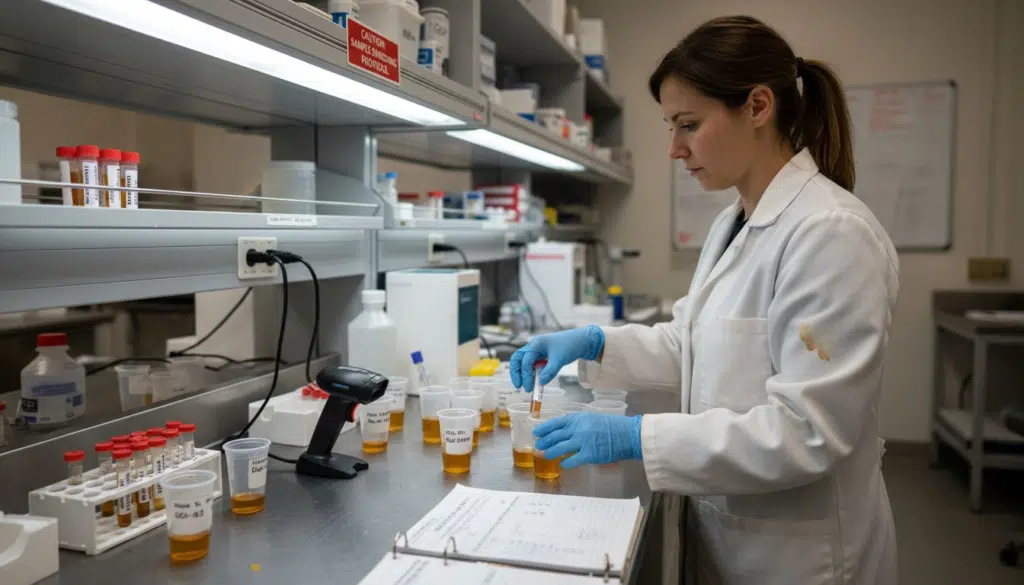
This table summarizes common compliance risks and their potential consequences:
| Risk Area | Consequence | Prevention Strategy |
|---|---|---|
| Incomplete documentation | Regulatory fines | Implement robust documentation audits |
| Inadequate staff training | Procedural errors | Regular compliance training |
| Confidentiality breach | Legal action, reputation loss | Strict privacy protocols |
| Improper specimen handling | Test inaccuracies | Follow standardized lab procedures |
Comprehensive drug testing compliance requires consistent attention to detail and proactive risk management strategies.
Pro tip: Develop a robust internal audit system that regularly reviews drug testing procedures to identify and mitigate potential compliance vulnerabilities.
Best Practices for Achieving Compliance
Drug testing compliance guidelines represent a comprehensive framework for organizations seeking to implement robust and legally defensible substance screening programs. Successful implementation requires a strategic, multifaceted approach that addresses technical, procedural, and human factors.
Core best practices encompass several critical dimensions:
- Developing clear and comprehensive written policies
- Implementing consistent training programs
- Utilizing certified laboratory testing facilities
- Maintaining rigorous documentation protocols
- Establishing transparent communication channels
- Creating systematic review and audit mechanisms
Operational Excellence demands meticulous attention to procedural details. Transit safety drug testing practices demonstrate that comprehensive compliance requires more than simply following regulatory checklists.
Key strategic compliance elements include:
- Comprehensive employee education programs
- Regular policy and procedure reviews
- Consistent random testing implementation
- Secure chain of custody documentation
- Integration with employee assistance programs
Proactive Management is essential in developing a culture of compliance that goes beyond mere regulatory adherence. Organizations must view drug testing as a supportive mechanism for workplace safety and employee well-being.
Effective drug testing compliance is not about punishment, but about creating a safe, supportive, and productive work environment.
Pro tip: Develop a continuous improvement framework that regularly assesses and updates your drug testing compliance strategies to stay ahead of evolving regulatory requirements.
Streamline Your Drug Testing Compliance with Reliable Supplies
Ensuring drug testing compliance demands accuracy, consistent protocols, and access to high-quality testing materials. The challenges of maintaining strict chain-of-custody, using FDA-approved kits, and selecting the right testing methods are critical to avoiding costly errors and legal risks. At Slash Medical, we understand these pain points and offer a specialized solution to help clinics, treatment centers, and organizations meet stringent regulatory standards with confidence.

Discover our extensive catalog of over 400 FDA-approved drug testing products including urine and oral drug test cups, dip cards, and test strips designed for forensic and clinical use. Whether you need bulk ordering, private label manufacturing, or drop shipping services, Slash Medical provides cost-effective, reliable testing supplies tailored to your specific compliance needs. Take control of your drug testing program today by partnering with a trusted supplier who supports your commitment to accuracy and legal defensibility. Start browsing our selection and place your order now at Slash Medical to safeguard your drug testing compliance and improve operational efficiency.
Frequently Asked Questions
What is drug testing compliance?
Drug testing compliance refers to a framework of scientific, legal, and procedural standards designed to ensure accurate substance detection and workplace safety through standardized drug testing protocols.
What are the common types of drug tests used for compliance?
Common types of drug tests include urine tests, blood tests, oral fluid tests, hair follicle tests, and sweat patch tests, each with varying detection windows and applications.
How can organizations ensure reliable drug testing results?
Organizations can ensure reliable drug testing results by using certified laboratories, following strict sample collection protocols, maintaining chain-of-custody documentation, and training staff on compliance requirements.
What are the risks associated with improper drug testing compliance?
Risks include potential discrimination claims, wrongful termination lawsuits, regulatory fines, and the possibility of reputational damage due to procedural errors or breaches of confidentiality.