
Why Test for Multiple Substances: Enhancing Accuracy and Safety
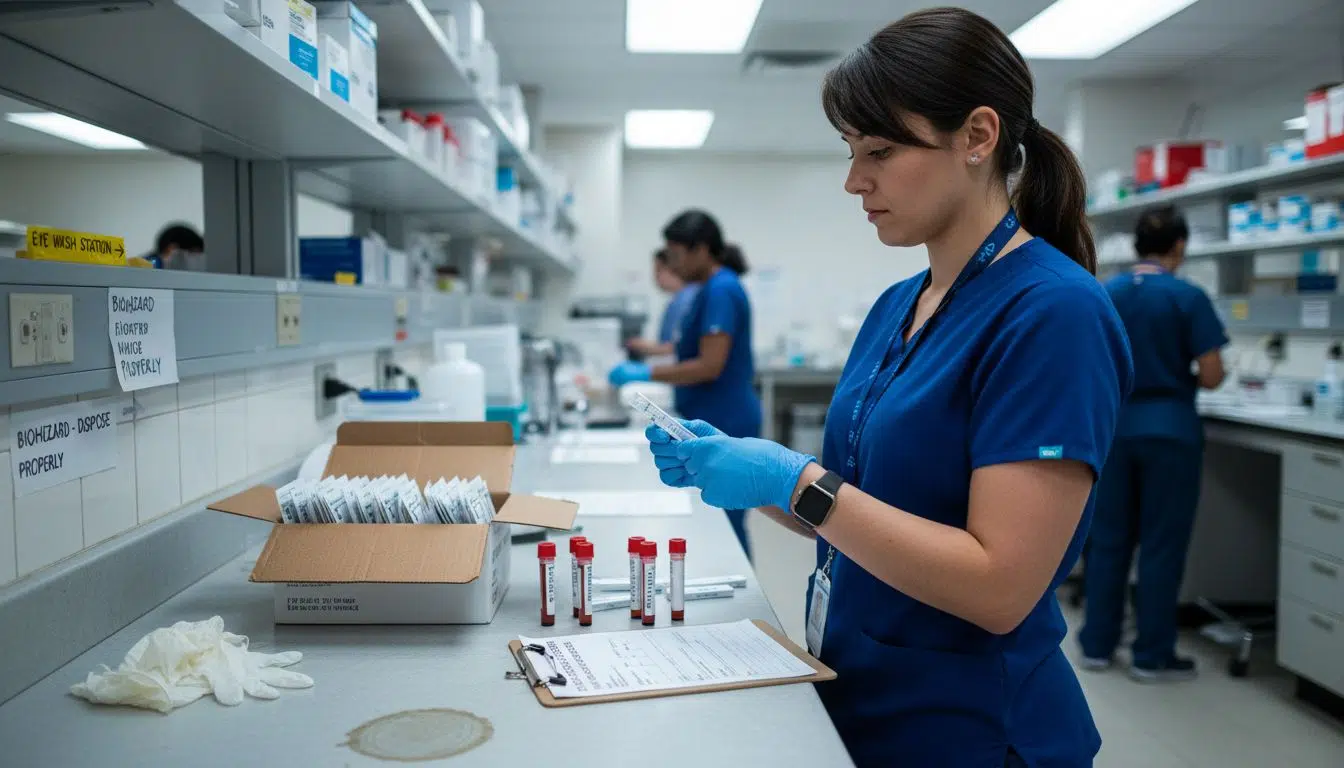
Test for Multiple Substances
Most American clinics face increasing pressure to deliver accurate and compliant drug screenings amid complex substance use trends. Studies show that multi-substance testing kits decrease missed diagnoses by over 30 percent compared to standard tests. These comprehensive approaches not only streamline workflows but also support better health outcomes for patients.
Discover how updated screening methods help purchasing managers build safer, more reliable treatment programs while controlling costs and meeting regulatory demands. Testing for Multiple Substances enhances accuracy and safety in clinical environments.
Table of Contents
- What Multi-Substance Testing Means For Clinics
- Types Of Drug Testing Panels And Their Uses
- How Multi-Panel Tests Improve Detection
- Legal And Compliance Benefits For Organizations
- Managing Costs And Reducing Risks With Multi-Panel Kits
Key Takeaways
| Point | Details |
|---|---|
| Advancement of Testing | Multi-substance testing enhances precision in monitoring patient substance use, facilitating better treatment strategies. |
| Comprehensive Detection | Multi-panel tests provide a holistic view by detecting various substances simultaneously, aiding targeted interventions. |
| Real-Time Monitoring | The enhanced diagnostic accuracy allows for immediate adjustments to treatment protocols based on patient progress. |
| Cost Management | Implementing multi-panel testing helps reduce long-term operational costs through streamlined workflows and fewer repeat tests. |
What Multi-Substance Testing Means for Clinics
Multi-substance testing represents a critical advancement in clinical substance monitoring, enabling healthcare professionals to track patient progress with unprecedented precision. By simultaneously screening for multiple drugs, clinics can develop more comprehensive treatment strategies that address complex substance use patterns. Substance use testing technologies have revolutionized how treatment centers approach patient care and rehabilitation.
The core advantage of multi-substance testing lies in its ability to detect a wide range of substances in a single screening. Traditional single-drug tests often missed critical information about a patient’s comprehensive substance use profile. Modern multi-panel drug tests can now simultaneously screen for opioids, stimulants, marijuana, benzodiazepines, and other commonly abused substances. This holistic approach allows clinicians to understand the full scope of a patient’s substance use, enabling more targeted and effective treatment planning.
Clinical teams benefit from multi-substance testing through enhanced diagnostic accuracy and improved patient monitoring. The testing process typically involves two key stages: an initial immunoassay screening followed by confirmatory gas chromatography/mass spectrometry tests. This two-step approach minimizes false positives and provides extremely reliable results. Healthcare providers can track patient progress more effectively, adjust treatment protocols in real-time, and make data-driven decisions about individual rehabilitation strategies.
By implementing comprehensive multi-substance testing, clinics demonstrate a commitment to patient safety and precise medical intervention. These advanced screening methods support evidence-based treatment models, helping healthcare professionals develop nuanced understanding of each patient’s unique substance use challenges.
Pro Tip: When selecting a multi-panel drug test, prioritize kits that offer the broadest range of substance detection to maximize clinical insights.
Types of Drug Testing Panels and Their Uses
Drug testing panels represent a sophisticated approach to substance screening, offering varying levels of complexity and detection capabilities. From single-substance tests to comprehensive multi-panel screenings, these diagnostic tools enable healthcare professionals, workplace administrators, and legal professionals to identify potential substance use with remarkable precision. Drug testing panels range from targeted single-substance tests to extensive multi-drug screenings, providing flexible solutions for diverse monitoring needs.
Typical drug testing panels are classified by the number of substances they can detect simultaneously. Common configurations include 5-panel, 10-panel, and 12-panel tests, each designed to address specific screening requirements. A 5-panel test typically screens for fundamental substances like marijuana, cocaine, opiates, amphetamines, and phencyclidine (PCP). More comprehensive 10-panel and 12-panel tests expand detection to include additional substances such as benzodiazepines, barbiturates, methadone, and prescription medications, offering a more detailed substance use profile.

Here’s a quick comparison of common drug testing panels and the substances they detect:
| Panel Type | Substances Detected | Typical Use Case |
|---|---|---|
| 5-Panel | Marijuana, Cocaine, Opiates, Amphetamines, PCP | Basic workplace or legal screening |
| 10-Panel | 5-panel plus Benzodiazepines, Barbiturates, Methadone, Propoxyphene, Quaaludes | Broader clinical or occupational testing |
| 12-Panel | 10-panel plus Oxycodone, Methaqualone | Comprehensive clinical or high-risk industry use |
The selection of an appropriate drug testing panel depends on the specific context and objectives of the screening process. Workplace drug testing programs might prioritize different substances compared to clinical treatment centers or legal monitoring systems. Federal workplace programs regularly update authorized testing panels to reflect emerging substance trends and maintain comprehensive screening protocols. Clinicians and organizations must carefully consider factors such as detection windows, sensitivity levels, and the specific substances most relevant to their monitoring goals.
Each drug testing panel offers unique advantages, with more extensive panels providing deeper insights into potential substance use patterns. The choice between different panel configurations involves balancing comprehensiveness, cost-effectiveness, and the specific screening objectives of the organization or healthcare provider. Advanced testing methodologies now allow for increasingly precise and nuanced substance detection, supporting more targeted intervention strategies.
Pro Tip: When selecting a drug testing panel, consider the specific substances most prevalent in your target population to maximize screening effectiveness
How Multi-Panel Tests Improve Detection
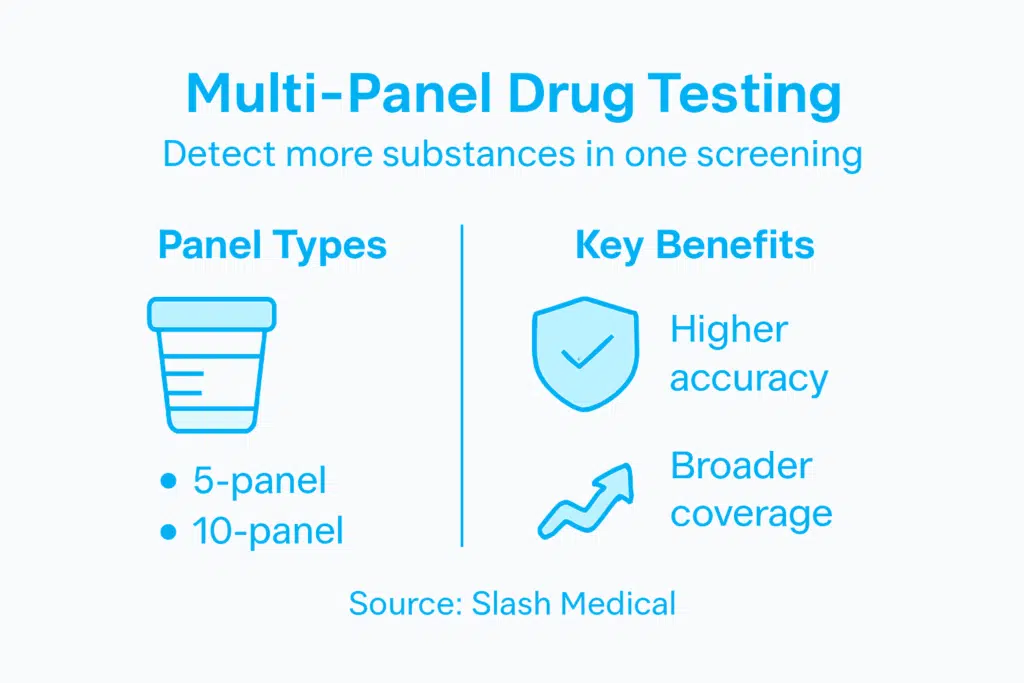
Multi-panel drug tests represent a significant advancement in substance screening technology, offering unprecedented capabilities for detecting complex substance use patterns. These comprehensive testing methods go beyond traditional single-substance screenings by simultaneously analyzing multiple drug classes, providing healthcare professionals and administrators with a more nuanced understanding of potential substance interactions. Multi-panel tests combine multiple assays into a single testing event, dramatically enhancing detection efficiency and accuracy.
The primary advantage of multi-panel testing lies in its ability to identify polydrug use scenarios that might otherwise go undetected. Traditional single-substance tests often missed critical information about an individual’s comprehensive substance use profile, potentially leading to incomplete treatment or monitoring strategies. Modern multi-panel tests can now simultaneously screen for various substances including opioids, stimulants, benzodiazepines, and prescription medications, providing a holistic view of potential substance use that supports more targeted interventions.
Federal guidelines increasingly emphasize the importance of comprehensive drug screening methodologies. Standardized multi-panel testing protocols help minimize false negative results, ensuring more reliable and comparable outcomes across different testing environments. This approach is particularly critical in safety-sensitive workplaces and clinical settings where precise substance detection can directly impact patient care, workplace safety, and individual health management.
By integrating advanced detection technologies, multi-panel tests offer significant improvements over traditional screening methods. These tests not only increase the likelihood of identifying substance use but also provide more comprehensive insights into potential drug interactions, emerging substance trends, and individual health risks. The consolidated approach streamlines laboratory workflows, reduces testing costs, and enables faster, more informed decision-making across medical, workplace, and legal contexts.
Pro Tip: Select multi-panel tests with the broadest substance coverage to maximize detection capabilities and reduce the need for repeated screenings.
Legal and Compliance Benefits for Organizations
Multi-substance drug testing provides organizations with critical legal and regulatory protection, enabling them to proactively manage workplace safety and maintain compliance with complex federal and state regulations. Drug-free workplace policies help reduce organizational liability, creating a framework for systematic substance screening that protects both employee and employer interests. These comprehensive testing approaches go beyond simple screening, serving as a strategic risk management tool for modern organizations.
Different industries face unique legal requirements for substance testing, making multi-panel drug screenings an essential compliance mechanism. Safety-sensitive sectors like transportation, healthcare, and manufacturing have particularly stringent regulatory mandates that demand precise and comprehensive substance detection. By implementing advanced multi-panel tests, organizations can demonstrate due diligence in maintaining workplace safety standards, potentially reducing legal exposure and insurance costs associated with substance-related workplace incidents.
The legal landscape surrounding workplace drug testing continues to evolve, with increasing emphasis on balancing employee privacy rights with organizational safety needs. Multi-substance testing allows organizations to conduct thorough screenings while maintaining a fair and consistent approach to substance monitoring. These tests provide documented evidence of systematic screening protocols, which can be crucial in defending against potential discrimination claims or workplace litigation. The ability to detect multiple substances simultaneously offers a more nuanced approach to understanding potential substance use patterns.
Beyond legal compliance, multi-panel drug tests serve as a powerful tool for organizational risk management. By identifying potential substance use issues early, companies can implement supportive intervention strategies, offer employee assistance programs, and create safer working environments. The comprehensive nature of these tests enables more informed decision-making, helping organizations protect their workforce, maintain productivity, and mitigate potential safety and performance risks.
This summary highlights how multi-panel drug tests benefit different stakeholders:
| Stakeholder | Key Benefit | Example Impact |
|---|---|---|
| Clinics | Enhanced patient monitoring | Adjust treatment in real time |
| Employers | Improved safety compliance | Lower accident liability |
| Legal Organizations | Stronger regulatory record | Support in litigation cases |
| Patients/Employees | Fairer, consistent testing | Early intervention possible |
Pro Tip: Develop a clear, transparent drug testing policy that outlines the purpose, procedures, and potential consequences of multi-panel substance screening to ensure legal and ethical implementation.
Managing Costs and Reducing Risks with Multi-Panel Kits
Multi-panel drug testing kits represent a strategic solution for organizations seeking to optimize their substance screening processes while managing financial resources effectively. Comprehensive testing protocols help reduce long-term operational costs, offering a more economical approach to substance monitoring compared to traditional single-substance testing methods.
By consolidating multiple substance screenings into a single testing event, organizations can significantly streamline their testing workflows and minimize overall expenses.
The financial advantages of multi-panel drug testing extend beyond immediate cost savings. While these kits may initially appear more expensive than single-substance tests, they provide substantial long-term economic benefits by reducing the need for multiple separate screenings.
Organizations can prevent costly false negatives, minimize repeated testing procedures, and develop more precise intervention strategies. This approach allows for more targeted resource allocation, enabling healthcare providers and workplace administrators to invest in comprehensive screening technologies that deliver superior detection capabilities.
Beyond direct financial considerations, multi-panel drug testing kits offer significant indirect cost benefits. By identifying potential substance use issues earlier and more comprehensively, organizations can proactively address workplace safety concerns, reduce potential liability risks, and minimize productivity losses associated with undetected substance use.
The comprehensive nature of these testing approaches enables more nuanced and strategic interventions, ultimately protecting both organizational interests and employee well-being.
Pro Tip: Calculate your organization’s total testing expenses by comparing multi-panel kit costs against potential risks and repeat testing expenses to demonstrate true financial value.
Elevate Your Multi-Substance Testing Accuracy and Safety Today
The challenge of accurately detecting multiple substances during clinical or workplace screenings demands reliable and comprehensive testing solutions. This article highlights the vital importance of multi-panel drug tests that capture wide substance profiles, reduce false negatives, and support critical decision-making for treatment and compliance. Healthcare providers, employers, and legal organizations all aim to increase diagnostic accuracy and maintain safety — goals attainable only through advanced testing options.
At Slash Medical, we understand these challenges and offer a robust selection of FDA-approved, CLIA-waived multi-substance drug testing kits designed specifically for precision, affordability, and bulk deployment. Whether you need urine cups, oral swabs, or dip cards with 5 to 12-panel configurations, our broad catalog supports your need for effective, cost-conscious substance detection. Our solutions empower you to implement data-driven interventions and reduce risks associated with incomplete or delayed results.
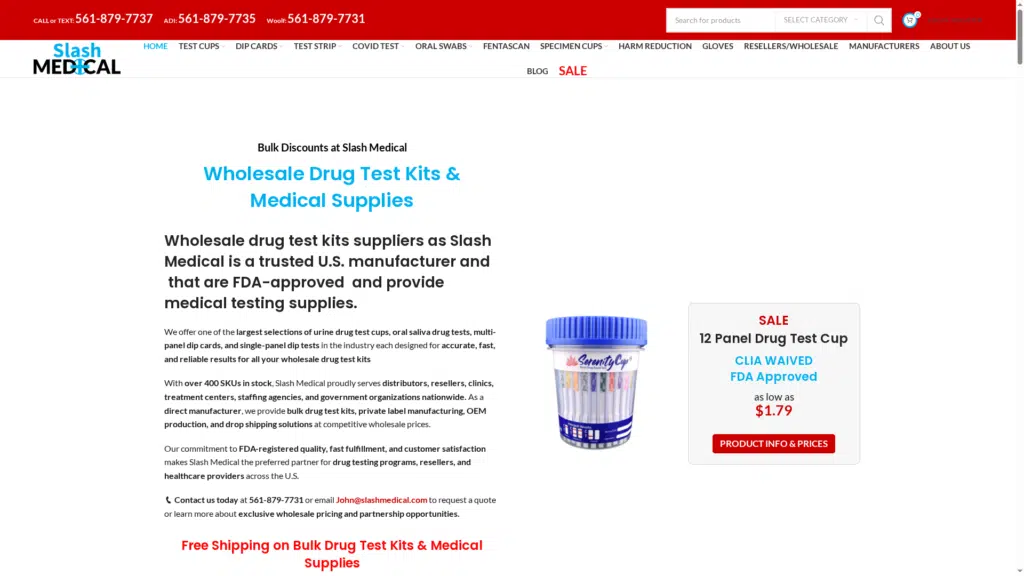
Discover the advantage of partnering with a trusted wholesale supplier that focuses on clinical accuracy and streamlined ordering. Visit Slash Medical now to explore our extensive inventory, benefit from competitive pricing, and start ordering the testing products that will help you enhance patient care, workplace safety, and regulatory compliance immediately.
Frequently Asked Questions
What is multi-substance testing?
Multi-substance testing refers to the practice of screening for multiple drugs in a single test, allowing for a comprehensive understanding of a patient’s substance use profile.
How does multi-substance testing enhance patient monitoring?
By simultaneously detecting a range of substances, multi-substance testing enables healthcare providers to track patient progress more effectively, make data-driven decisions, and adjust treatment protocols in real-time.
Why should clinics adopt multi-panel drug testing?
Clinics should adopt multi-panel drug testing to improve diagnostic accuracy, detect polydrug use, and provide more effective and targeted medical interventions for patients with complex substance use challenges.
What are the cost benefits of using multi-panel drug testing kits?
While initially appearing more expensive, multi-panel drug testing kits can reduce long-term operational costs by streamlining testing processes, minimizing repeat screenings, and preventing costly false negatives.