
Why Use Rapid Oral Tests: Key Clinic Benefits
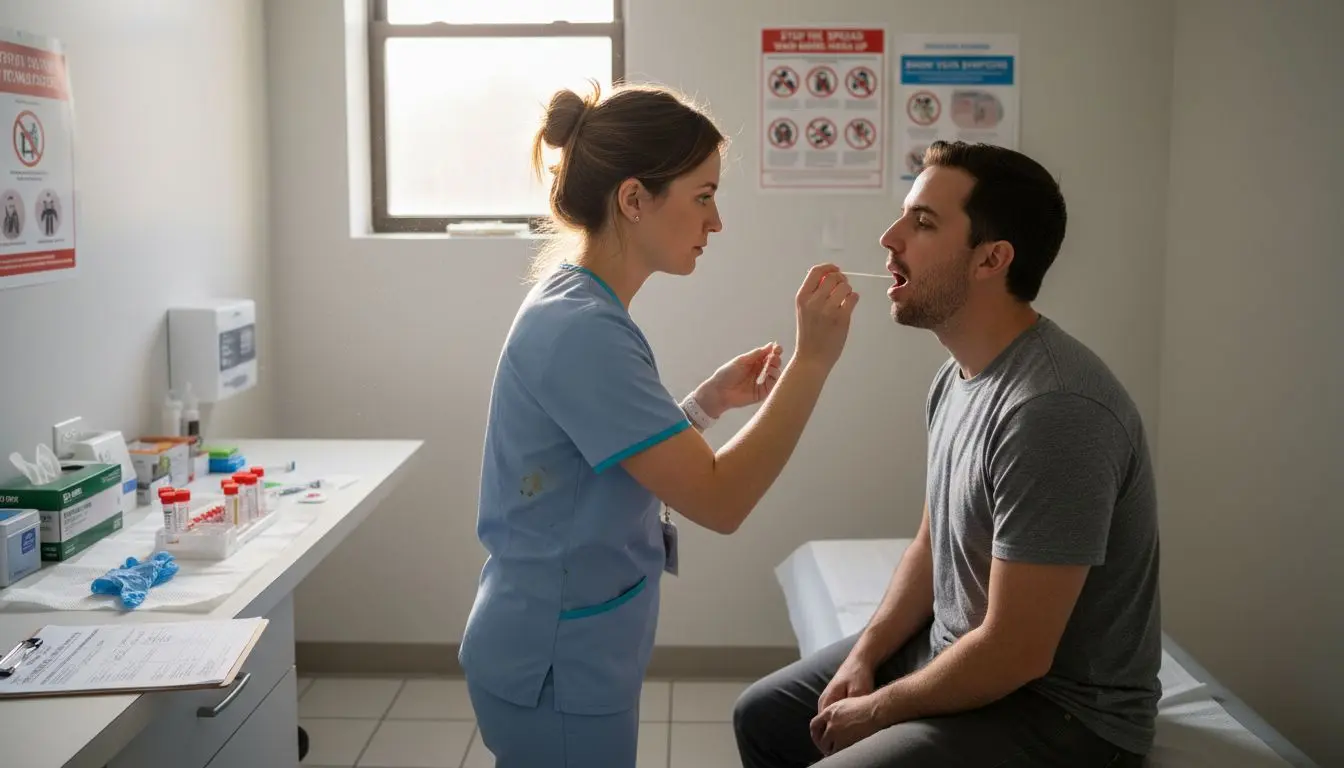
Rapid oral drug tests are now essential for clinics and treatment centers aiming to optimize patient screening. With rising demand for reliable, cost-effective solutions, procurement managers recognize the need for options that can keep pace with modern clinical workflows. In American healthcare systems and facilities around the globe, these quick-result tests offer a fast, non-invasive screening choice. Clinics seeking efficiency will benefit from understanding why use rapid oral tests, as these kits deliver accurate, affordable results while meeting global clinical standards.
Table of Contents
- Rapid Oral Tests In Clinical Screening
- Types And Main Features Of Oral Tests
- How Rapid Oral Testing Works
- Accuracy, Detection Window, And Compliance
- Cost Savings Versus Alternative Test Methods
- Common Pitfalls And Legal Best Practices
Key Takeaways
| Point | Details |
|---|---|
| Rapid Oral Tests Enhance Screening | These tests provide a quick, non-invasive method for diagnosing medical conditions through saliva, allowing for immediate clinical decisions. |
| High Accuracy and Efficiency | Oral tests can achieve up to 98% accuracy and typically deliver results within 5 to 30 minutes, which is crucial in urgent medical settings. |
| Cost-Effective Alternative | By minimizing laboratory costs and streamlining the testing process, rapid oral tests reduce overall healthcare expenditures and improve operational efficiency. |
| Compliance and Documentation | Strict adherence to testing protocols and thorough documentation are essential to mitigate legal risks and ensure diagnostic integrity. |
Rapid oral tests in clinical screening
Rapid oral tests represent a critical screening tool in modern clinical environments, enabling healthcare professionals to obtain swift and accurate diagnostic insights. These specialized tests provide clinicians with a fast, minimally invasive method for detecting various medical conditions and substances through saliva analysis. Screening tests serve as presumptive identification measures followed by comprehensive diagnostic protocols.
Clinical laboratories rely on oral swab tests for their efficiency and precision in point-of-care diagnostics. These tests allow medical professionals to conduct rapid screenings for conditions ranging from infectious diseases to substance use disorders. By utilizing near-patient testing technologies, healthcare providers can make timely clinical decisions without the delays associated with traditional laboratory processing.
The primary advantages of rapid oral tests include their non-invasive nature, quick turnaround times, and high accuracy rates. Medical facilities can integrate these tests seamlessly into existing screening protocols, reducing patient wait times and improving overall diagnostic workflow. They are particularly valuable in settings requiring immediate medical assessment, such as emergency departments, addiction treatment centers, and occupational health clinics.
Pro Tip: Always verify the specific certification and regulatory compliance of oral screening tests to ensure maximum reliability and legal conformity in clinical settings.
Types and main features of oral tests
Oral tests encompass a diverse range of diagnostic screening methods that utilize saliva or oral fluid samples for detecting various medical conditions. Rapid antigen tests represent a prominent category, characterized by their ability to detect specific proteins or antigens directly in oral samples. These tests are designed for quick, efficient screening across multiple clinical applications, including infectious disease detection and substance use assessments.
The primary types of oral tests include pathogen detection, drug screening, and infection identification tests. Rapid strep screens demonstrate a classic example of targeted oral testing, utilizing throat swab samples to diagnose specific bacterial infections. These tests typically employ lateral flow immunochromatographic assays, which enable medical professionals to obtain results within 5 to 30 minutes, facilitating immediate clinical decision-making.
Key features of modern oral tests include minimal invasiveness, rapid turnaround times, and high accuracy rates. Most oral test technologies require minimal training for healthcare professionals and offer cost-effective screening solutions. They are particularly valuable in point-of-care settings, emergency departments, occupational health clinics, and addiction treatment centers where swift diagnostic insights are crucial for patient management and treatment planning.
Pro Tip: Verify the specific regulatory certification and accuracy parameters of oral screening tests to ensure maximum diagnostic reliability and clinical effectiveness.
How rapid oral testing works
Rapid oral testing relies on sophisticated yet straightforward diagnostic technologies that enable swift and accurate medical screening. Lateral flow immunochromatographic technology forms the core mechanism of most modern oral tests, allowing healthcare professionals to detect specific biological markers quickly and efficiently. This innovative approach involves capturing target antigens through specialized antibodies embedded in test strips, creating a simple yet powerful diagnostic process.
The testing procedure typically follows a standard sequence of steps. Medical professionals begin by collecting a saliva or oral fluid sample using a sterile swab, carefully obtaining material from the specific area of interest. Rapid strep screening techniques demonstrate how the collected sample is then mixed with a specific reagent, which helps activate the diagnostic mechanism. When applied to the test device, the sample interacts with pre-coated antibodies that can detect specific antigens, generating a visible reaction that indicates the presence or absence of the targeted condition.
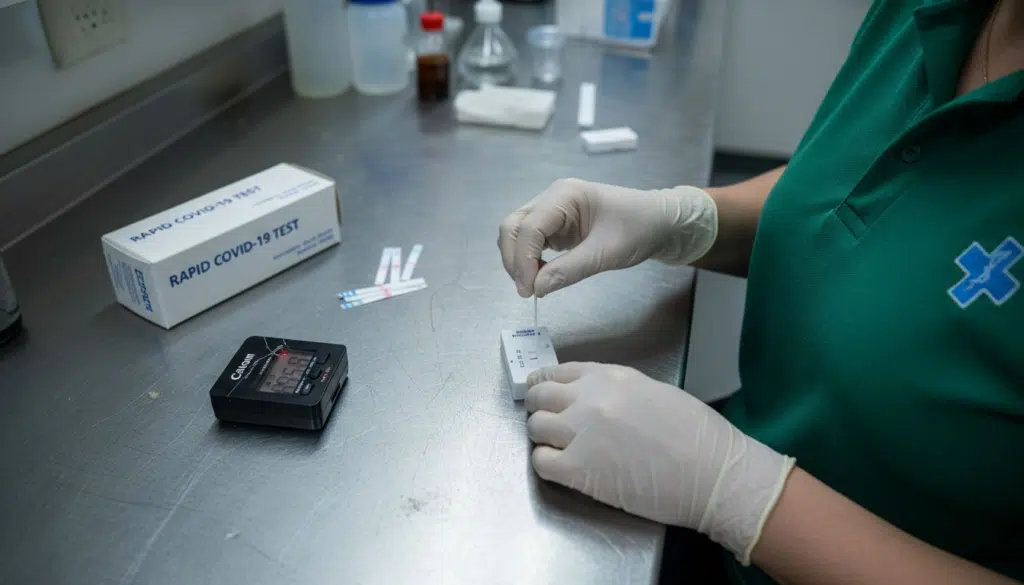
Technical aspects of oral testing involve intricate molecular detection processes occurring within minutes. The porous substrate of the test strip allows liquid samples to flow through, with strategically positioned antibodies capturing target molecules. When an antigen matches the specific antibody, it triggers a color change or line appearance, providing a clear visual indicator of test results. These tests are designed to be user-friendly, requiring minimal technical expertise and offering results typically within 5 to 30 minutes, making them ideal for point-of-care diagnostics and rapid medical decision-making.
Pro Tip: Always store oral test kits according to manufacturer instructions and check expiration dates to maintain maximum diagnostic accuracy.
Accuracy, detection window, and compliance
Rapid oral tests demonstrate impressive diagnostic capabilities with remarkable precision rates that can reach up to 98% accuracy and 99% specificity. These advanced screening methods provide healthcare professionals with reliable tools for swift medical assessment, minimizing the risks associated with false positives and ensuring dependable diagnostic outcomes. The high accuracy levels make these tests valuable across various clinical settings, from routine screenings to targeted medical investigations.
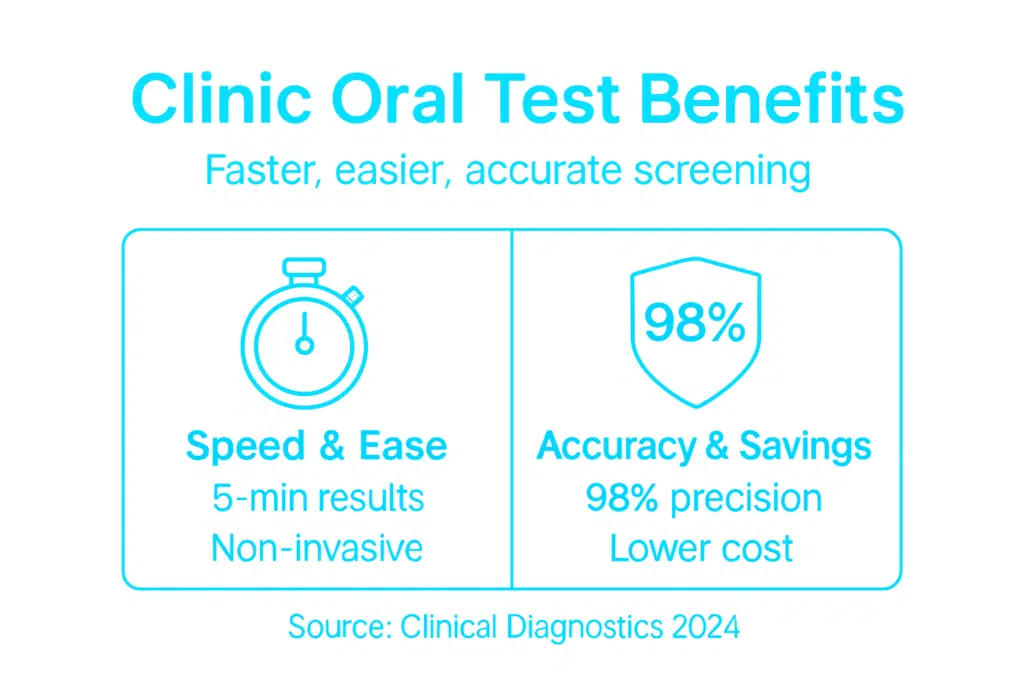
The detection window for oral tests varies significantly depending on the specific condition being assessed. Rapid test sensitivity can fluctuate based on the timing of sample collection, with potential limitations during early stages of infection. Medical professionals must carefully consider the optimal testing window to maximize diagnostic effectiveness. Factors such as antigen concentration, sample collection technique, and the specific pathogen or substance being detected all play crucial roles in determining the test’s reliability and accuracy.
Compliance with testing protocols represents a critical aspect of maintaining diagnostic integrity. Healthcare providers must follow strict guidelines to ensure optimal test performance, including proper sample collection, adherence to manufacturer instructions, and understanding the limitations of rapid testing methodologies. This approach involves carefully managing variables such as sample storage, handling, and interpretation of results. Clinics must implement comprehensive training programs to guarantee that medical staff can consistently execute oral tests with the highest level of precision and reliability.
Pro Tip: Document test conditions and timing meticulously to help healthcare providers interpret results with maximum accuracy and confidence.
Cost savings versus alternative test methods
Rapid oral tests represent a significant advancement in cost-effective medical screening, offering substantial economic advantages over traditional diagnostic approaches. Cost-effective point-of-care diagnostics eliminate the need for expensive laboratory equipment and lengthy processing times, dramatically reducing overall healthcare expenditures. By streamlining the testing process, clinics can minimize resource allocation, decrease patient waiting periods, and optimize operational efficiency.
Compared to conventional laboratory-based testing methods, rapid oral tests demonstrate remarkable economic benefits. Rapid on-site evaluations significantly reduce follow-up procedures and unnecessary healthcare visits. The economic impact extends beyond immediate testing costs, encompassing reduced patient management expenses, shorter diagnostic windows, and improved clinical decision-making speed. These tests particularly benefit healthcare systems by decreasing administrative overhead and minimizing the financial burden associated with prolonged diagnostic processes.
The financial advantages of rapid oral tests are particularly pronounced in high-volume clinical settings and resource-constrained environments. By requiring minimal specialized personnel, reducing equipment investments, and enabling immediate diagnostic insights, these tests represent a cost-efficient alternative to traditional testing methodologies. Healthcare administrators can realize substantial savings through decreased laboratory processing times, reduced patient screening costs, and enhanced overall diagnostic workflow efficiency.
Here’s a comparison of rapid oral tests with traditional laboratory-based tests to clarify their strengths and limitations:
| Aspect | Rapid Oral Tests | Traditional Lab Tests |
|---|---|---|
| Turnaround Time | 5–30 minutes | Several hours to days |
| Equipment Needed | Minimal point-of-care | Specialized laboratory |
| Staff Expertise | Basic training | Highly trained personnel |
| Cost Efficiency | High | Moderate to low |
| Diagnostic Scope | Presumptive/Screening | Definitive/Confirmatory |
Pro Tip: Conduct a comprehensive cost-benefit analysis specific to your clinical setting to maximize the economic potential of rapid oral testing strategies.
Common pitfalls and legal best practices
Healthcare professionals must navigate complex challenges when implementing rapid oral testing, with statistical interpretation of test results presenting significant potential for diagnostic errors. The base rate fallacy represents a critical pitfall where clinicians may misinterpret test outcomes by failing to consider the underlying prevalence of a condition within the tested population. This can lead to inappropriate clinical decisions, potentially resulting in unnecessary treatments or missed diagnoses that expose healthcare providers to legal and ethical risks.
Legal best practices demand rigorous documentation and adherence to established diagnostic protocols. Diagnostic testing guidelines emphasize the importance of performing tests only when clinically justified, with comprehensive patient evaluation preceding any screening. Healthcare providers must meticulously document the rationale for each test, ensuring that patient privacy rights are protected and that testing aligns with recognized medical standards. This approach minimizes potential liability and promotes ethical patient care by preventing unnecessary interventions.
Navigating the legal landscape of rapid oral testing requires a multifaceted approach that balances clinical necessity with patient rights. Practitioners must develop robust protocols that address informed consent, result interpretation, and follow-up procedures. This involves creating clear communication channels, maintaining detailed medical records, and implementing quality control measures that demonstrate a commitment to accurate and responsible diagnostic practices. By proactively addressing potential legal and ethical challenges, healthcare providers can effectively leverage rapid oral testing while mitigating associated risks.
Below is a summary of common pitfalls and best practices for rapid oral testing implementation:
| Challenge | Potential Impact | Best Practice |
|---|---|---|
| Base Rate Fallacy | Misleading test interpretation | Consider population prevalence |
| Inadequate Documentation | Increased legal risk | Maintain detailed records |
| Poor Protocol Adherence | Reduced test accuracy | Follow manufacturer guidelines |
| Informed Consent Lapses | Violation of patient rights | Obtain clear patient consent |
Pro Tip: Develop a comprehensive standard operating procedure that explicitly outlines test interpretation protocols, documentation requirements, and patient communication guidelines.
Unlock Efficiency and Accuracy with Rapid Oral Testing Supplies
Rapid oral tests offer clinics a faster, reliable way to screen patients with minimal invasiveness and quick turnaround times. Yet challenges like ensuring consistent test accuracy and compliance can slow down your workflows and increase legal risks. If your clinic values precision, cost savings, and ease of use to enhance patient care and operational efficiency, choosing the right medical testing supplies becomes critical.
At Slash Medical, we offer an extensive range of FDA-approved and CLIA-waived rapid oral drug test kits, adulterant test supplies, and COVID-19 screening products designed to meet these exact challenges. Browse our product catalog to access bulk ordering options, private label services, and nationwide shipping that help you lower costs while maintaining the highest standards of diagnostic reliability.
Take control of your clinical screening process now by partnering with a trusted manufacturer and distributor. Visit Slash Medical today to discover how our competitive pricing and diverse product selection allow you to streamline rapid oral testing and deliver confident, timely results to your patients.
Frequently Asked Questions
What are rapid oral tests?
Rapid oral tests are specialized diagnostic tools that analyze saliva samples to quickly and accurately screen for various medical conditions and substances.
How do rapid oral tests work?
Rapid oral tests typically utilize lateral flow immunochromatographic technology to detect specific proteins or antigens in a saliva sample, providing results within 5 to 30 minutes.
What are the main advantages of using rapid oral tests in clinical settings?
The main advantages include non-invasive sample collection, quick turnaround times for results, high accuracy rates, and improved diagnostic workflow, especially in emergency and point-of-care settings.
How do rapid oral tests compare to traditional laboratory tests?
Rapid oral tests offer faster results (5–30 minutes compared to hours or days for lab tests), require minimal equipment and training, and are more cost-effective in many clinical scenarios.
Why use rapid oral tests in modern clinical environments?
Healthcare facilities prioritize rapid oral tests because they provide a non-invasive, cost-effective, and highly efficient alternative to traditional screening. These tests utilize lateral flow immunochromatographic technology to deliver results within 5 to 30 minutes with accuracy rates reaching up to 98%.