Government Drug Testing Programs: Ensuring Compliance and Safety
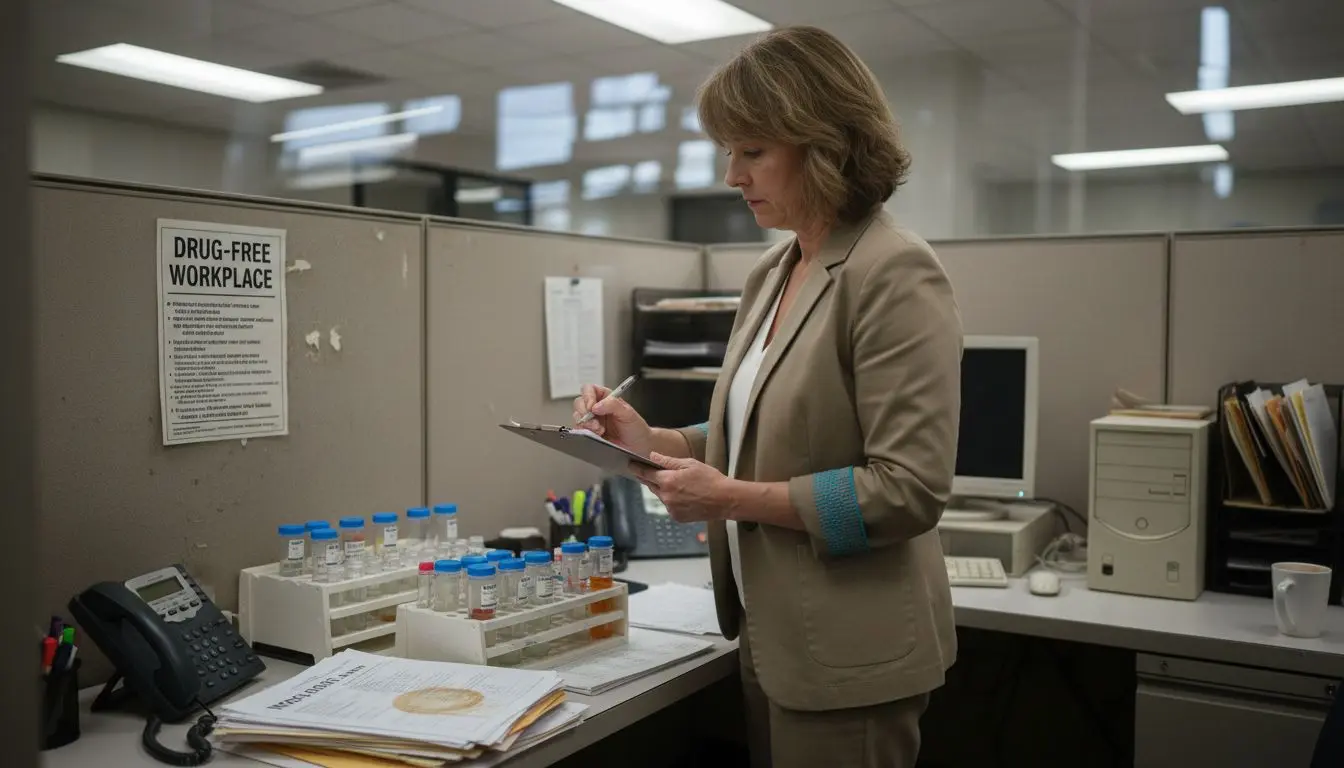
Choosing the right government drug testing program can feel overwhelming when every decision impacts workplace safety and legal compliance. Compliance officers across the United States and the Netherlands grapple with finding solutions that align with evolving regulations, protect employee privacy, and support public health goals. This overview explains the core elements of systematic drug testing programs backed by federal standards, offering practical insights to help you identify reliable, science-based strategies for your agency.
Table of Contents
- Defining Government Drug Testing Programs
- Types Of Drug Testing Methods Used
- Legal Principles And Regulatory Frameworks
- Implementation Requirements And Best Practices
- Risks, Liabilities, And Compliance Issues
Key Takeaways
| Point | Details |
|---|---|
| Comprehensive Frameworks | Government drug testing programs require clear protocols and consistent procedures to ensure accuracy and fairness. |
| Diverse Testing Methods | Various biological samples such as urine, blood, and saliva offer different detection capabilities and application contexts. |
| Legal Compliance | Programs must navigate constitutional protections while aligning with federal regulatory standards to maintain employee rights. |
| Effective Implementation | A well-defined drug testing policy, alongside transparent communication and ongoing training, fosters program trust and effectiveness. |
Defining government drug testing programs
Government drug testing programs represent systematic efforts by public health and safety authorities to monitor, prevent, and address drug use across various organizational settings. These comprehensive initiatives go far beyond simple screening, encompassing critical strategies for workplace safety, public health protection, and policy development.
These programs typically involve multiple key components:
- Establishing standardized testing protocols
- Implementing consistent screening procedures
- Monitoring drug use trends and patterns
- Supporting workplace safety regulations
- Developing evidence-based intervention strategies
The United States federal government has developed comprehensive frameworks for such programs, with the Mandatory Guidelines for Workplace Drug Testing providing clear standards for implementation. These guidelines ensure that drug testing remains accurate, fair, and scientifically validated across different government agencies.
Public health organizations like the Dutch Ministry of Health demonstrate how these programs can extend beyond simple testing. Their Drugs Information and Monitoring System (DIMS) not only tests illicit substances but also collects critical data to inform policy development and public health strategies.
Key Objectives of Government Drug Testing Programs:
- Prevent substance abuse in workplace environments
- Maintain public safety standards
- Support employee health and rehabilitation
- Collect comprehensive data for policy development
- Reduce workplace accidents and productivity losses
Pro tip: When developing a government drug testing program, prioritize scientific accuracy, employee privacy, and comprehensive data collection to ensure both safety and fairness.
Types of drug testing methods used
Government drug testing programs utilize a diverse range of biological sampling methods to detect and monitor substance use across various settings. Drug testing techniques have evolved significantly, offering multiple approaches to identify potential substance abuse with varying levels of accuracy and detection windows.
The primary biological samples used in drug testing include:
- Urine
- Blood
- Hair
- Saliva
- Sweat
Urine testing remains the most prevalent method due to its reliability, cost-effectiveness, and non-invasive collection process. This approach allows for detecting recent drug use and provides a comprehensive screening mechanism for workplace and government-regulated environments.

Here’s a reference overview of biological sampling methods and their primary suitability for government drug testing:
| Sample Type | Typical Use Cases | Detection Window | Collection Complexity |
|---|---|---|---|
| Urine | Workplace, compliance checks | 1-3 days | Easy, non-invasive |
| Blood | Accident investigations, legal cases | Hours to 2 days | Moderate, invasive |
| Hair | Long-term monitoring, policy studies | Up to 90 days | Easy, non-invasive |
| Saliva | On-site checks, transportation screening | Hours to 2 days | Very easy, minimally invasive |
| Sweat | Drug rehabilitation, research | Days to weeks | Moderate, requires patch |
Comparative Analysis of Drug Testing Methods:
- Urine Testing
- Most common method
- Detects recent drug use
- Vulnerable to potential adulteration
- Hair Testing
- Provides long-term drug use history
- Can detect substance use over months
- Less invasive than blood testing
- Saliva Testing
- Rapid on-site detection
- Indicates recent drug consumption
- Minimally invasive collection
Advanced confirmatory testing methods like gas chromatography/mass spectrometry provide enhanced specificity, helping eliminate false positives and ensuring accurate results. These sophisticated techniques are critical in government and workplace drug testing programs to maintain scientific integrity.
Advanced testing methods balance accuracy with practical implementation, addressing challenges posed by emerging psychoactive substances.
Factors Influencing Testing Method Selection:
- Detection window requirements
- Invasiveness of collection process
- Cost of testing
- Specific workplace or regulatory guidelines
- Accuracy and specificity needs
Pro tip: Select drug testing methods by carefully evaluating the specific requirements of your organization, considering detection windows, accuracy, and regulatory compliance.
Legal principles and regulatory frameworks
Government drug testing programs operate within a complex legal landscape that carefully balances individual constitutional rights with public safety imperatives. Constitutional protections play a critical role in defining the boundaries of permissible drug testing, particularly through Fourth Amendment safeguards against unreasonable searches.
Key Constitutional Considerations:
- Protection against unreasonable searches
- Due process requirements
- Proportionality of testing procedures
- Balancing individual privacy with public safety
- Workplace safety exceptions
Federal regulatory frameworks provide comprehensive guidelines for implementing drug testing programs. The Department of Health and Human Services has established Mandatory Guidelines for Federal Workplace Drug Testing Programs, which outline critical standards for:
- Specimen collection procedures
- Laboratory analysis protocols
- Employee confidentiality protections
- Reporting mechanisms
- Dispute resolution processes
Courts recognize special needs exceptions that allow suspicionless testing in contexts involving public safety, national security, and critical infrastructure protection.
Multiple federal agencies contribute to the regulatory ecosystem, including the Substance Abuse and Mental Health Services Administration (SAMHSA) and the Department of Transportation. These organizations develop and enforce rules that ensure testing programs comply with federal laws like the Drug-Free Workplace Act.

The following table summarizes the core regulatory responsibilities of major U.S. agencies involved in drug testing programs:
| Agency | Main Responsibilities | Impact on Programs |
|---|---|---|
| SAMHSA | Certification, guidelines, oversight | Ensures scientific accuracy |
| Dept. of Transportation | Industry-specific rules, enforcement | Promotes safety in transit sectors |
| Dept. of Health & Human Services | Policy development, workplace standards | Sets federal requirements |
Critical Legal Principles in Drug Testing:
- Consent and notification requirements
- Reasonable suspicion standards
- Confidentiality of test results
- Employee rights and protections
- Non-discriminatory implementation
Pro tip: Consult legal counsel to develop drug testing programs that precisely align with federal regulations and constitutional standards.
Implementation requirements and best practices
Developing a comprehensive drug testing program requires meticulous planning and strategic execution. Effective drug testing policies demand a structured approach that balances organizational needs with employee rights and legal requirements.
Core Implementation Components:
- Clearly defined testing scope
- Transparent policy communication
- Consistent application of procedures
- Robust documentation practices
- Ongoing program evaluation
Successful implementation involves multiple critical steps:
- Policy Development
- Define precise testing objectives
- Outline specific testing procedures
- Establish clear consequences
- Employee Communication
- Provide comprehensive policy information
- Explain testing rationale
- Address potential concerns
- Technical Execution
- Select appropriate testing methods
- Ensure chain of custody protocols
- Maintain strict confidentiality
Systematic planning and transparent communication are essential for gaining employee trust and ensuring program effectiveness.
Government agencies must develop comprehensive training programs for personnel involved in drug testing, covering legal requirements, technical procedures, and ethical considerations. This includes understanding specimen handling, result interpretation, and maintaining the integrity of the testing process.
Key Compliance Considerations:
- Adherence to federal and state regulations
- Protection of employee privacy rights
- Consistent and non-discriminatory application
- Scientifically validated testing methods
- Regular policy review and updates
Pro tip: Develop a flexible drug testing program that can adapt to evolving legal and scientific standards while maintaining a clear, fair approach.
Risks, liabilities, and compliance issues
Government drug testing programs face a complex landscape of potential risks and legal challenges that demand meticulous attention. Compliance challenges require comprehensive strategies to mitigate potential legal and operational vulnerabilities.
Primary Risk Categories:
- Legal non-compliance
- False positive test results
- Confidentiality breaches
- Procedural inconsistencies
- Employee rights violations
Key liability risks emerge from multiple potential sources:
- Procedural Risks
- Improper test administration
- Inadequate staff training
- Inconsistent policy implementation
- Legal Risks
- Potential discrimination claims
- Privacy rights violations
- Inadequate due process
- Technical Risks
- Inaccurate testing methods
- Poor chain of custody documentation
- Compromised sample integrity
Rigorous adherence to federal guidelines is the primary defense against potential legal and operational vulnerabilities.
Comprehensive risk management strategies must address multiple dimensions, including precise documentation, consistent procedural protocols, and ongoing staff training. Government agencies need robust mechanisms to validate testing processes, protect employee confidentiality, and maintain transparent communication channels.
Critical Compliance Considerations:
- Strict laboratory certification requirements
- Comprehensive medical review officer training
- Detailed chain of custody protocols
- Regular policy and procedure audits
- Continuous regulatory education
Pro tip: Develop a proactive compliance framework that anticipates potential risks and establishes clear mitigation strategies before issues arise.
Streamline Your Government Drug Testing Program with Reliable Supplies
Implementing government drug testing programs demands precise compliance with federal guidelines, accurate testing methods, and strict confidentiality. You need trusted medical testing supplies that support long-term monitoring, rapid on-site checks, and consistent chain of custody protocols to reduce risks and ensure program success. Slash Medical offers a comprehensive range of FDA-approved, CLIA-waived drug test kits and related products designed to meet the complex demands of public safety and workplace compliance.

Elevate your drug testing program today by partnering with a wholesale supplier that understands your challenges. Explore our variety of drug test kits, from urine cups to oral swabs, and take advantage of bulk ordering, private label manufacturing, and nationwide shipping. Visit Slash Medical to browse our full catalog and secure testing supplies that empower your compliance and safety efforts now. Don’t wait — guarantee accuracy, protect employee rights, and stay ahead in regulatory adherence with our trusted solutions.
Frequently Asked Questions
What are the key objectives of government drug testing programs?
The primary objectives include preventing substance abuse in workplace environments, maintaining public safety standards, supporting employee health, collecting comprehensive data for policy development, and reducing workplace accidents and productivity losses.
What types of biological samples are commonly used in government drug testing?
Commonly used biological samples include urine, blood, hair, saliva, and sweat. Urine testing is the most prevalent due to its reliability and ease of collection.
How do legal principles impact government drug testing programs?
Legal principles are crucial as they involve balancing individual rights with public safety, ensuring due process, and complying with federal regulations set forth by agencies like the Department of Health and Human Services and SAMHSA.
What are the best practices for implementing a drug testing program?
Best practices include clearly defining the testing scope, transparent communication of policies to employees, consistent application of procedures, robust documentation, and ongoing evaluation of the program to ensure effectiveness and compliance.