
7 Essential Drug Test Adulterant Checklist Tips for Buyers
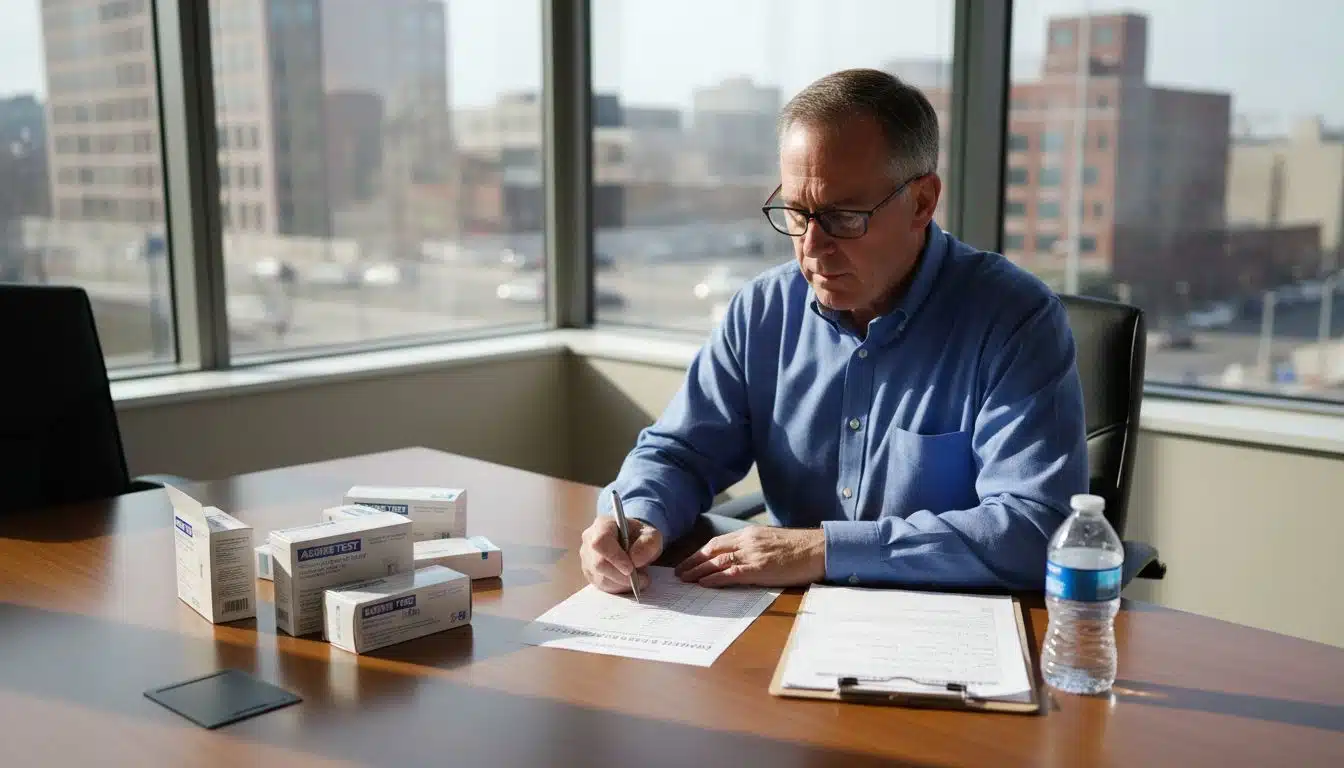
Staying ahead of sample tampering is a constant challenge for anyone managing drug testing programs. Adulterants and clever manipulation tactics threaten the reliability of results and put compliance at risk. If you need practical ways to protect the integrity of your drug screening protocols, you are not alone.
This drug test adulterant checklist reveals concrete steps supported by FDA guidance and public health research. You will discover actionable strategies for spotting fake samples, choosing approved detection kits, and maintaining bulletproof records. Get ready to learn proven methods that strengthen your testing program and help you stay confident, accurate, and compliant from collection through reporting.
Table of Contents
- Understand Common Drug Test Adulterants
- Choose FDA-Approved Adulterant Detection Kits
- Verify CLIA Waived Status for Legal Compliance
- Inspect Product Packaging for Tamper Evidence
- Train Staff to Spot Signs of Sample Tampering
- Use Multi-Panel Drug Tests with Built-In Adulterant Checks
- Maintain Proper Documentation for Program Compliance
Quick Summary
| Takeaway | Explanation |
|---|---|
| 1. Understand common drug test adulterants | Familiarize yourself with substances that can manipulate drug test results, such as oxidizing agents, masking chemicals, and dilution substances. |
| 2. Choose FDA-approved adulterant detection kits | Select kits that have been rigorously reviewed by the FDA for accurate adulterant detection to ensure screening reliability. |
| 3. Verify CLIA waived status for compliance | Ensure drug testing equipment has CLIA waived status, signifying it meets standards for simplicity and accuracy under regulatory requirements. |
| 4. Inspect product packaging for tamper evidence | Use tamper-evident packaging to safeguard against product manipulation, ensuring the authenticity and reliability of drug testing supplies. |
| 5. Train staff to spot signs of sample tampering | Provide comprehensive training for staff to recognize indicators of tampering, enhancing intervention capabilities during drug testing. |
1. Understand Common Drug Test Adulterants
Drug test adulterants are substances intentionally added to manipulate or interfere with urine drug screening results. These substances can alter chemical compositions, mask drug metabolites, or dilute sample concentrations to produce false negative outcomes.
Understanding adulterants is critical for maintaining the integrity of drug testing processes. Laboratories and testing facilities must stay ahead of increasingly sophisticated techniques used to circumvent accurate screening.
Common drug test adulterants fall into several key categories:
- Oxidizing agents: Bleach, hydrogen peroxide, nitrites
- Masking chemicals: Vinegar, zinc sulfate, soap
- Dilution substances: Water, excessive fluid intake
- Commercial adulterant products: Specialized chemical kits designed to interfere with testing
Drug test adulteration represents a significant challenge in maintaining screening accuracy and reliability.
Some individuals attempt to modify urine testing results through chemical manipulation. These attempts can involve household chemicals, commercial products, or sophisticated adulterant kits specifically marketed to circumvent drug screening.
Modern drug testing protocols have evolved to detect these interference attempts. Advanced validity tests now examine multiple parameters:
- Creatinine levels
- Specific gravity
- pH balance
- Oxidant detection
- Temperature verification
Pro tip: Implement comprehensive multi-panel adulterant detection protocols to enhance testing reliability and minimize potential sample tampering.
2. Choose FDA-Approved Adulterant Detection Kits
FDA-approved adulterant detection kits are sophisticated screening tools designed to ensure the integrity and accuracy of drug testing procedures. These specialized diagnostic devices help organizations identify attempts to manipulate or compromise urine drug test specimens.
Selecting the right FDA-approved kit is crucial for maintaining reliable drug screening protocols. Drugs of abuse tests undergo rigorous regulatory review to guarantee precise detection capabilities.
Key characteristics of high-quality adulterant detection kits include:
- Comprehensive screening for multiple adulterant types
- Multiple validity markers like specific gravity and creatinine
- Immunochromatographic testing technologies
- Sensitivity to household chemicals and specialized masking agents
FDA-approved adulterant detection kits represent the gold standard in maintaining drug test reliability.
When evaluating kits, procurement managers should prioritize devices that can detect a wide range of potential interference substances. Modern kits can identify chemical alterations through advanced testing parameters such as:
- pH level analysis
- Oxidant detection
- Specific gravity measurements
- Creatinine concentration verification
- Temperature validation
Some advanced testing devices can detect interference from common adulterants like bleach, vinegar, and commercial tampering products. The goal is not just identifying drug presence but ensuring the specimen’s authenticity and integrity.
Pro tip: Always verify a drug test kit’s FDA clearance status and request comprehensive performance validation documentation before purchasing.
3. Verify CLIA Waived Status for Legal Compliance
CLIA waived status represents a critical certification for drug testing organizations seeking legal and regulatory compliance. Understanding and verifying this designation ensures your testing protocols meet the highest standards of accuracy and reliability.Laboratory testing regulations require meticulous attention to test complexity and certification levels. CLIA waived tests are specifically designed to be simple, low-risk screening methods that can be performed with minimal technical expertise.
Key considerations for CLIA waived drug test verification include:
- Manufacturer certification documentation
- FDA approval status
- Complexity level assessment
- Intended use specifications
- Training requirements verification
CLIA waived status guarantees a standardized approach to drug test reliability and legal compliance.
Procurement managers must carefully evaluate several critical components when selecting CLIA waived drug testing equipment:
- Confirm FDA database listing
- Review manufacturer instructions
- Validate test performance characteristics
- Assess organizational training capabilities
- Document compliance procedures
Most waived tests are approved for home or over-the-counter use, which means they require minimal technical intervention and provide straightforward, dependable results. These tests must adhere to specific regulatory guidelines to maintain their waived classification.
Pro tip: Maintain a comprehensive compliance file documenting each test’s CLIA waived status, including original certification documentation and periodic verification records.
4. Inspect Product Packaging for Tamper Evidence
Tamper-evident packaging represents a critical safeguard in maintaining the integrity of drug testing supplies. By carefully examining packaging features, procurement managers can prevent potential adulteration and ensure product reliability.FDA regulations mandate specific packaging requirements designed to protect product authenticity and user safety. These standards provide multiple layers of protection against unauthorized access or manipulation.
Key visual indicators of tamper-evident packaging include:
- Sealed inner protective barriers
- Unique serial numbering
- Breakable security seals
- Color-changing authentication strips
- Holographic verification markers
Effective tamper-evident packaging destroys authentication features upon initial opening.
When evaluating drug test packaging, procurement professionals should systematically assess these critical elements:
- Check for unbroken outer packaging seals
- Verify holographic or serial number authentication
- Examine seal integrity around container edges
- Confirm manufacturer authentication markings
- Validate packaging date and batch information
Comprehensive packaging inspection helps prevent potential product substitution and maintains the highest standards of testing reliability. Sophisticated tamper-evident technologies now offer multiple layers of protection beyond traditional sealing methods.
Pro tip: Implement a standardized packaging inspection protocol that requires multiple team members to independently verify packaging integrity before product acceptance.
5. Train Staff to Spot Signs of Sample Tampering
Effective drug testing programs require staff members who can confidently recognize and respond to potential sample tampering attempts. Understanding the nuanced indicators of specimen manipulation is crucial for maintaining testing integrity and workplace safety. FDA guidelines recommend comprehensive training to help staff identify red flags and prevent unauthorized sample modifications. Detection requires a combination of keen observation and systematic evaluation techniques.
Key signs of potential sample tampering include:
- Unusual sample temperature
- Inconsistent urine color
- Unexpected sample odor
- Suspicious patient behavior
- Abnormal collection circumstances
Staff training transforms detection from reactive to proactive intervention.
Drug test collectors should be trained to systematically assess sample characteristics:
- Check sample temperature immediately after collection
- Observe visual sample characteristics
- Document any suspicious findings
- Follow established reporting protocols
- Request supervisor intervention when needed
Recognizing tampering requires understanding both physical and behavioral indicators. Some collectors might notice additional warning signs such as excessive nervousness, repeated bathroom requests, or attempts to manipulate collection procedures.
Pro tip: Develop a comprehensive staff training program with periodic refresher courses and practical demonstration scenarios to maintain sharp observational skills.
6. Use Multi-Panel Drug Tests with Built-In Adulterant Checks
Multi-panel drug tests with integrated adulterant detection represent the gold standard for comprehensive substance screening. These advanced testing solutions provide procurement managers with a powerful tool to ensure testing accuracy and reliability. Understanding multi-panel drug test benefits helps organizations implement more robust screening protocols. By combining multiple detection capabilities, these tests dramatically reduce the potential for sample manipulation.
Key advantages of multi-panel drug tests with adulterant checks include:
- Comprehensive substance detection
- Built-in validity testing
- Simultaneous adulterant screening
- Reduced false negative rates
- Enhanced testing efficiency
Advanced multi-panel tests transform drug screening from reactive to proactive monitoring.
Procurement managers should evaluate multi-panel drug tests based on several critical factors:
- Number of drug panels covered
- Specific adulterant detection mechanisms
- Validity marker sensitivity
- Collection method complexity
- Regulatory compliance certifications
Modern multi-panel tests can detect numerous substances simultaneously while also checking for chemical interference. These sophisticated screening tools examine sample characteristics like temperature, pH levels, specific gravity, and oxidant presence to ensure testing integrity.
Pro tip: Select multi-panel drug tests that offer the broadest range of detection capabilities and include at least four distinct adulterant validation parameters.
7. Maintain Proper Documentation for Program Compliance
Documentation serves as the critical backbone of any robust drug testing program, providing legal protection and ensuring regulatory adherence. Comprehensive record-keeping transforms drug testing from a simple screening process into a defensible, transparent system.Good Documentation Practices establish the framework for maintaining accurate and reliable testing records. Systematic documentation protects both the organization and the individuals being tested by creating a clear, auditable trail of testing activities.
Essential documentation components include:
- Chain of custody forms
- Test result records
- Specimen validity documentation
- Staff training logs
- Corrective action reports
Meticulous documentation transforms drug testing from a procedure to a comprehensive compliance strategy.
Procurement managers should implement a documentation system that captures critical information:
- Specimen collection timestamps
- Collector identification
- Test panel details
- Adulterant validation results
- Initial and confirmation test outcomes
Clinical laboratories require multiple layers of documentation to support test validity. This includes recording specific measurements like creatinine levels, pH balance, and oxidant presence to provide comprehensive evidence of sample integrity.
Pro tip: Develop a standardized digital documentation template that automatically flags incomplete or suspicious entries to ensure consistent and thorough record-keeping.
Below is a comprehensive table summarizing the key points and insights regarding drug testing integrity and best practices as discussed in the article.
| Topic | Description and Practices | Key Considerations |
|---|---|---|
| Adulterants in Drug Tests | Substances used to interfere with test results, including oxidizing agents, masking chemicals, and dilution techniques. | Detection involves creatinine levels, specific gravity, pH, oxidant determination, and temperature validation. |
| Adulterant Detection Kits | FDA-approved kits designed to identify adulterants. | Choose kits with comprehensive adulterant detection and verification capabilities. |
| CLIA Waived Status | Certification ensuring simple and reliable testing processes. | Verify documentation, FDA approval, and compliance requirements for legal adherence. |
| Tamper-Evident Packaging | Packaging designed to ensure the integrity and authenticity of drug testing supplies. | Inspect seals, holographs, serial numbers, and other indicators to prevent tampering. |
| Staff Training for Tampering | Education to identify indications of sample tampering during collection. | Comprehensive training can significantly enhance the detection of compromised samples. |
| Multi-Panel Drug Tests | Tests capable of detecting multiple substances and identifying adulterants simultaneously to improve reliability. | Utilize tests with extensive substance panels, built-in adulterant checks, and high sensitivity. |
| Documentation | Establishing a system to record and manage every aspect of the drug testing process. | Comprehensive records ensure regulatory compliance and provide protection for all parties involved. |
Strengthen Your Drug Testing Program with Trusted Supplies from Slash Medical
Navigating the challenges of drug test adulteration requires reliable tools that align with the strict standards highlighted in the “7 Essential Drug Test Adulterant Checklist Tips for Buyers.” From ensuring FDA-approved adulterant detection kits to verifying CLIA waived status and tamper-evident packaging, your program’s success hinges on quality and compliance. Key pain points like detecting chemical interference, maintaining proper documentation, and training staff demand products that empower you to maintain integrity and accuracy.
Slash Medical offers an extensive selection of wholesale drug testing kits and supplies designed specifically for organizations committed to preventing sample tampering and enhancing screening validity. Our product lineup features multi-panel drug test cups, strips, and adulterant detection tools that meet FDA approval and CLIA waived requirements—helping you stay ahead in your screening efforts with confidence and efficiency.
Elevate your testing standards today with industry-leading solutions from Slash Medical.
- Browse FDA-approved and CLIA waived drug testing supplies tailored to your needs
- Access comprehensive adulterant detection kits ensuring reliable results
- Benefit from bulk ordering, private label, and nationwide shipping to optimize your program

Ready to enhance your drug testing program with trusted, compliant supplies? Visit Slash Medical now to explore our extensive catalog and secure your bulk order with confidence.
Frequently Asked Questions
What are drug test adulterants?
Drug test adulterants are substances added to urine samples to manipulate or interfere with drug screening results. To maintain testing integrity, familiarize yourself with common adulterants such as oxidizing agents and masking chemicals.
How can I choose an effective FDA-approved adulterant detection kit?
Select an FDA-approved adulterant detection kit that screens for multiple adulterants and includes validity markers like specific gravity and creatinine. Evaluate several kits to ensure they meet comprehensive testing needs and provide accurate results.
What steps do I need to take to verify the CLIA waived status of a drug test?
To verify CLIA waived status, review the manufacturer’s certification documentation, confirm FDA approval, and assess the test’s complexity level. Conduct thorough due diligence to ensure compliance with all required regulatory standards.
What should I look for in tamper-evident packaging?
When inspecting tamper-evident packaging, check for unbroken seals, unique serial numbering, and secure packaging features. Implement a standardized inspection protocol to prevent unauthorized access to drug testing supplies and maintain reliability.
How can I train staff to recognize signs of sample tampering?
Develop a training program that focuses on key indicators of sample tampering, such as unusual temperature or odor. Conduct regular refresher courses to keep staff knowledgeable and vigilant in identifying potential tampering during drug tests.
What documentation do I need to maintain for a drug testing program?
Maintain essential documentation such as chain of custody forms, test result records, and staff training logs. Implement a structured system to ensure thorough record-keeping that supports compliance and accountability in drug testing processes.