
8 Essentials for a Reliable Drug Test Kit Checklist

Most American clinics spend over 30 percent of their operational budgets on drug screening supplies each year, which is why having a practical drug test kit checklist can make a real difference for procurement teams. Balancing cost with accurate detection and strict compliance standards isn’t always straightforward, especially when buying in bulk. This guide walks through the key things to look for when choosing reliable drug testing kits—from panel options and FDA approval to shipping details and ongoing support—so your clinic can run a smoother, more efficient drug screening program.
Table of Contents
- 1. Choose The Right Drug Test Panel Count
- 2. Check For FDA Approval And CLIA Waiver
- 3. Assess Bulk Pricing And Order Flexibility
- 4. Verify Adulterant Detection Capabilities
- 5. Confirm Private Label And OEM Options
- 6. Evaluate Specimen Collection Types
- 7. Understand Shipping And Handling Procedures
- 8. Review Support And Training Resources
Quick Summary
| Takeaway | Explanation |
|---|---|
| 1. Choose the right drug test panel count | Match the number of substances tested to your screening needs for effective results. |
| 2. Verify FDA approval and CLIA waiver | Ensure that drug test kits are certified for quality and reliability to avoid false results. |
| 3. Assess bulk pricing and order flexibility | Look for scalable pricing models to enhance budgets while maintaining product quality. |
| 4. Check for adulterant detection capabilities | Select kits that screen for substances that can compromise test integrity and accuracy. |
| 5. Utilize support and training resources | Invest in training to ensure accurate testing procedures and compliance with standards. |
1. Choose the Right Drug Test Panel Count
Selecting the appropriate drug test panel count is a critical decision for medical professionals and organizations conducting substance screening. The panel count determines the range of substances your drug test can detect, making it essential to match your testing needs with the right configuration.
Most drug testing scenarios require comprehensive yet targeted screening. A standard 12-panel drug test provides extensive coverage, checking for commonly abused substances including marijuana, cocaine, opioids, amphetamines, and additional party drugs. This approach balances thorough detection with practical implementation.
When determining your ideal panel count, consider these key factors:
Screening Purpose
- Employment screening might require different panel configurations compared to medical treatment monitoring
- Legal requirements could mandate specific substance detection ranges
- Clinical addiction treatment often needs more comprehensive panels
Cost vs Coverage Considerations
- Larger panel counts offer broader screening but increase testing expenses
- Smaller panels reduce costs but might miss critical substance indicators
- Balance comprehensiveness with your budget and specific screening objectives
Industry Recommendations According to the American Society of Addiction Medicine, drug test panel selection should align with clinical needs, targeting substances most relevant to patient diagnosis and treatment monitoring.
Pro tip: Consult with a drug testing specialist to customize your panel count based on your specific organizational requirements and target population screening needs.
2. Check for FDA Approval and CLIA Waiver
Ensuring the legitimacy and reliability of drug testing kits requires verifying two critical certifications: FDA approval and CLIA waiver status. These credentials are your primary guarantees of quality, accuracy, and compliance in medical testing.
FDA Approval represents the gold standard for medical diagnostic tools. When a drug test kit receives Food and Drug Administration clearance, it means the product has undergone rigorous scientific evaluation to confirm its safety, effectiveness, and consistent performance. Approved kits demonstrate precise detection capabilities and meet stringent manufacturing standards.
CLIA Waiver indicates that a test is simple enough to be performed by personnel with minimal technical training. These waived tests provide reliable results in various clinical settings, from treatment centers to workplace screening programs.
Key Considerations for Certification
- Verify FDA registration number on product packaging
- Check for CLIA waiver documentation
- Confirm certification matches intended testing environment
- Review manufacturer’s compliance documentation
Why Certifications Matter Certified drug test kits minimize the risk of false positives or negatives, protect organizational liability, and ensure accurate substance screening. Uncertified tests can compromise diagnostic integrity and potentially lead to serious medical or legal consequences.
Pro tip: Always request and verify current FDA and CLIA certification documentation directly from the manufacturer before purchasing drug testing supplies.
3. Assess Bulk Pricing and Order Flexibility
Procurement managers know that selecting drug test kits involves more than just product quality. The right bulk pricing and order flexibility can significantly impact your organization’s testing budget and operational efficiency.
Strategic Bulk Purchasing means understanding how volume impacts pricing and finding suppliers who offer scalable solutions. Organizations conducting frequent screenings need pricing models that reward larger purchase quantities while maintaining product consistency and quality.
Key Pricing Considerations
- Investigate price breaks at different order volumes
- Compare per unit costs across various package sizes
- Evaluate shipping expenses for bulk orders
- Look for vendors offering volume discounts on multi panel drug tests
Order Flexibility Factors
- Minimum order quantities
- Customization options
- Shipping timeframes
- Return and exchange policies
- Private labeling opportunities
Why Flexibility Matters Flexible ordering allows organizations to adjust test kit inventory based on changing screening requirements. Some suppliers offer drop shipping, custom packaging, and modular ordering that can streamline your procurement process and reduce inventory management costs.
Pro tip: Negotiate flexible payment terms and explore suppliers offering graduated pricing tiers to maximize your drug testing budget.
4. Verify Adulterant Detection Capabilities
In the world of drug testing, maintaining specimen integrity is paramount. Adulterant detection represents a critical defense against attempts to manipulate or falsify test results.
Adulterant Detection Explained Adulterants are substances intentionally added to urine samples to interfere with drug screening accuracy. These can include chemicals, diluting agents, or masking compounds designed to produce false negative results. Comprehensive drug testing protocols include adulterant screening to prevent such manipulations.
Common Adulterant Detection Methods
- Specific gravity checks
- pH level analysis
- Nitrite presence screening
- Oxidizing agent detection
- Temperature verification
Why Adulterant Screening Matters Without robust adulterant detection, organizations risk compromised testing results that could lead to serious consequences in medical, legal, and workplace screening environments. False negative results can expose institutions to significant liability and safety risks.
Key Detection Capabilities Validity Indicators help identify specimens that have been intentionally altered. Advanced test kits check multiple parameters simultaneously, providing a comprehensive assessment of sample authenticity.
Screening Reliability Factors
- Multiparameter adulterant detection
- Rapid screening capabilities
- Scientifically validated detection methods
- Consistent and repeatable results
Pro tip: Select drug test kits that offer comprehensive adulterant screening with at least 4 5 independent detection mechanisms to maximize testing integrity.
5. Confirm Private Label and OEM Options
Private label and Original Equipment Manufacturer (OEM) options offer organizations unprecedented flexibility in drug testing procurement. These strategic solutions enable customized branding and tailored product configurations to meet specific institutional requirements.
Understanding Private Label Manufacturing Private labeling allows organizations to brand drug test kits with their own logo and packaging while leveraging an established manufacturer’s production capabilities. Clinical guidelines emphasize maintaining consistent quality standards regardless of branding approach.
Key Considerations for Private Label Selection
- Manufacturing quality certifications
- Minimum order quantity requirements
- Customization depth options
- Pricing structure
- Turnaround time for custom orders
OEM Advantages
- Complete product design control
- Custom specification development
- Specialized performance parameters
- Unique packaging configurations
- Potential cost efficiency at scale
Strategic Branding Benefits Private label and OEM options provide organizations with competitive advantages by creating distinctive product identities while maintaining high quality testing standards. These approaches allow medical centers, treatment facilities, and corporate screening programs to differentiate their services.
Pro tip: Request comprehensive sample testing and detailed manufacturing specifications before committing to any private label or OEM drug test kit production partnership.
6. Evaluate Specimen Collection Types
Selecting the right specimen collection method is crucial for accurate and reliable drug testing. Different biological samples offer unique advantages and limitations in detecting substance use.
Specimen Collection Spectrum Drug testing professionals must carefully assess specimen collection techniques to match testing objectives with the most appropriate biological sample.
Key Specimen Collection Types Urine Testing
- Longest detection window
- Most commonly used method
- Relatively non-invasive
- Cost effective
Saliva Testing
- Quick collection process
- Indicates recent drug use
- Minimally invasive
- Short detection window
Hair Follicle Testing
- Detects long term substance use
- Provides historical usage pattern
- Cannot identify very recent consumption
- Requires specialized laboratory processing
Blood Testing
- Precise measurement of current intoxication
- Invasive collection method
- Shortest detection window
- Most expensive option
Practical Evaluation Factors
- Detection time requirements
- Invasiveness tolerance
- Budget constraints
- Specific testing objectives
Pro tip: Consult with your testing laboratory to determine the most appropriate specimen collection method based on your specific screening requirements and budget.
7. Understand Shipping and Handling Procedures
Shipping and handling procedures for medical testing supplies are critical to maintaining product integrity and ensuring accurate test results. Proper transportation and storage protocols protect the sensitive components of drug test kits from environmental damage.
Temperature Sensitivity Considerations Medical test kits require carefully controlled environmental conditions during shipping. Extreme temperatures can compromise test reagents and destroy the chemical stability necessary for accurate screening.
Key Shipping Protection Strategies Packaging Requirements
- Insulated shipping containers
- Temperature monitoring devices
- Shock resistant packaging materials
- Sealed protective wrapping
Storage Recommendations
- Maintain consistent room temperature
- Avoid direct sunlight exposure
- Store in dry environments
- Keep away from humidity sources
Handling Best Practices
- Use gloves during package processing
- Inspect packages immediately upon arrival
- Check for potential temperature excursions
- Verify package seal integrity
Documentation Essentials
- Track shipping temperatures
- Maintain chain of custody records
- Document handling procedures
- Record storage conditions
Compliance Factors
- Follow manufacturer storage guidelines
- Adhere to medical shipping regulations
- Implement quality control protocols
- Train staff on proper handling techniques
Pro tip: Request detailed shipping specifications and temperature monitoring documentation from your drug test kit supplier to ensure optimal product preservation during transit.
8. Review Support and Training Resources
Comprehensive support and training resources are essential for ensuring accurate and reliable drug testing procedures. Clinical guidelines emphasize the importance of ongoing professional education to maintain high quality testing standards.
Training Resource Categories Technical Documentation
- Comprehensive user manuals
- Procedural implementation guides
- Troubleshooting reference materials
- Test interpretation protocols
Educational Platforms
- Online training modules
- Webinar series
- Certification programs
- Continuing education workshops
Technical Support Channels
- Dedicated customer helplines
- Email support systems
- Live chat assistance
- Onsite training options
Key Training Focus Areas
- Specimen collection techniques
- Test kit handling procedures
- Result interpretation skills
- Quality control methodologies
- Compliance and regulatory requirements
Support Resource Evaluation Criteria
- Comprehensiveness of materials
- Accessibility of training platforms
- Frequency of content updates
- Credentials of training developers
- Alignment with industry standards
Pro tip: Request comprehensive training documentation and schedule regular skill refresher sessions to ensure your team maintains optimal drug testing proficiency.
Below is a comprehensive table summarizing the key factors and considerations for selecting and implementing drug test kits discussed throughout the article.
| Topic | Key Points | Considerations |
|---|---|---|
| Panel Count Selection | Match the required substances to be detected with an appropriate test panel. | Consider screening purposes, cost versus coverage, and industry guidelines. |
| Certifications | FDA approval and CLIA waivers ensure reliability and compliance of test kits. | Verify certifications on packaging and documentation provided by the supplier. |
| Bulk Pricing and Flexibility | Purchasing in larger quantities can reduce costs; order flexibility optimizes supply management. | Evaluate price breaks, shipping expenses, customization, and vendor policies for cost efficiency. |
| Adulterant Detection | Tests with adulterant detection features enhance sample integrity verification, ensuring results accuracy. | Include multiple adulterant detection methods for robust screening. |
| Specimen Collection Types | Options include urine, saliva, hair follicle, and blood testing, each with specific advantages and limitations. | Determine testing requirements such as detection periods, sample collection invasiveness, and cost. |
| Private Label and OEM Opportunities | Branding and custom configurations provide competitive edges while maintaining quality standards. | Negotiate manufacturing certifications, customization options, and quantity requirements for private-label solutions. |
| Shipping and Storage | Proper procedures for shipping and storage preserve testing kit functionality and extend shelf life. | Verify supplier’s adherence to temperature control and handling protocols. |
| Support and Training | Access to detailed documentation and training materials ensures accurate implementation of drug testing protocols. | Ensure resources are up-to-date, accessible, and align with professional and regulatory standards. |
Optimize Your Drug Testing Program with Proven Solutions from Slash Medical
Selecting the right drug test kits that meet essentials like FDA approval, CLIA waiver certifications, adulterant detection, and flexible bulk purchasing can often feel overwhelming. You want to ensure accuracy, compliance, and cost-effectiveness while adapting panel counts and specimen types to your organization’s unique needs. Slash Medical understands these challenges and offers a comprehensive selection of FDA-approved, CLIA-waived drug test kits with various panel configurations, reliable adulterant screening features, and volume discounts to fit your budget.
Discover how private label and OEM options can elevate your branding while maintaining quality standards. Whether you need urine or oral test cups, dip cards, or strips, Slash Medical’s extensive catalog supports your clinical and forensic programs with nationwide shipping and tailored order flexibility.
Explore the possibilities now and secure testing supplies that empower your drug screening initiatives with confidence. Visit Slash Medical to browse our full product range, learn more about bulk purchasing advantages, and inquire about private label solutions.
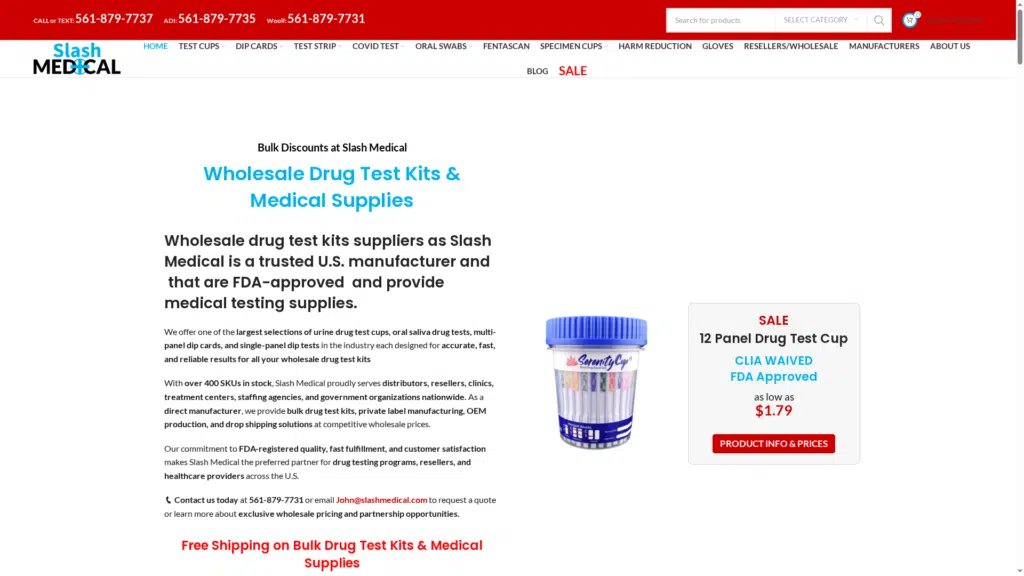
Ready to enhance your drug testing accuracy and efficiency? Partner with Slash Medical today to access trusted, cost-effective drug test kits designed for your specific requirements.
Frequently Asked Questions
How do I choose the right panel count using a drug test kit checklist?
Start by identifying your testing purpose—whether it’s workplace screening, clinical use, or legal compliance. A good checklist will help you match the panel count with the substances you actually need to detect, so you avoid overpaying or missing important results.
What is the importance of FDA approval and CLIA waiver for drug test kits?
FDA approval and CLIA waiver are crucial for ensuring the quality and reliability of drug test kits. Verify these certifications to confirm that the tests meet safety and accuracy standards, which minimizes the risk of false results.
How can I assess bulk pricing and order flexibility for drug test kits?
Evaluate bulk pricing by checking for price breaks at different order volumes and comparing per unit costs. Look for suppliers that offer flexible ordering options, such as minimum order quantities and customizable packages, to optimize your procurement process.
What methods are used to detect adulterants in drug tests?
Adulterants in drug tests are detected using methods such as specific gravity checks, pH level analysis, and temperature verification. Choose test kits that incorporate multiple screening parameters to safeguard against manipulated results.
How do I verify shipping and handling procedures for drug test kits?
To ensure product integrity, inquire about shipping protection strategies, such as insulated containers and temperature monitoring. Confirm that the supplier’s handling procedures adhere to medical shipping regulations, which will help maintain the quality of your test kits during transit.
What training resources should I look for when implementing drug test kits?
Seek training resources that include technical documentation, online training modules, and certification programs. Make sure these resources cover specimen collection techniques and result interpretation skills to ensure your team is well-prepared for accurate drug testing.