
Best Drug Testing Workflow Guide for Accurate Results

More than 30 percent of American drug treatment facilities report issues with supply chain disruptions and inconsistent test accuracy. For healthcare administrators, maintaining reliable drug testing workflows is essential to meet federal requirements and safeguard patient outcomes. This drug testing workflow guide lays out practical steps to build a compliant, efficient system from sourcing test kits to documenting results with accuracy and security.
Table of Contents
- Step 1: Establish Supply Chain For Approved Drug Test Kits
- Step 2: Set Up Secure Sample Collection Protocols
- Step 3: Implement Standardized Screening Procedures
- Step 4: Verify Results With Quality Assurance Checks
- Step 5: Document And Report Outcomes Efficiently
Quick Summary
| Key Insight | Explanation |
|---|---|
| 1. Build strong supply chains | Select manufacturers who meet global standards to ensure consistent quality and regulatory compliance of drug test kits. |
| 2. Implement secure collection protocols | Create a controlled environment for sample collection to maintain specimen integrity and protect donor privacy. |
| 3. Adopt standardized screening processes | Use validated testing methodologies to ensure reliable and legally defensible drug screening results. |
| 4. Ensure rigorous quality assurance checks | Implement quality control protocols to validate testing accuracy and include multiple layers of verification for test results. |
| 5. Maintain efficient documentation practices | Establish systematic reporting protocols to protect data integrity and ensure compliance with federal regulations. |
Step 1: Establish supply chain for approved drug test kits
Building a reliable supply chain for drug test kits requires strategic planning and careful vendor selection. Healthcare administrators must focus on identifying manufacturers meeting global pharmaceutical standards to ensure consistent quality and regulatory compliance.
Successful supply chain establishment involves multiple critical steps. First, conduct thorough vendor assessments by evaluating manufacturers based on their production capabilities, regulatory certifications, quality control processes, and track record of reliable delivery. Look for suppliers who can demonstrate consistent performance, have robust quality management systems, and provide comprehensive documentation proving their kits meet federal and state drug testing requirements. Consider factors like production capacity, geographic distribution network, pricing stability, and responsiveness to potential supply disruptions.
Research potential suppliers through comprehensive due diligence processes. Request detailed documentation including FDA approvals, CLIA waiver certificates, manufacturing protocols, and third party quality audits. Prioritize suppliers who can provide transparent reporting, consistent inventory levels, and flexible procurement options that match your organization’s specific testing volume and budget constraints.
Pro tip: Develop contingency sourcing strategies by maintaining relationships with multiple approved suppliers to mitigate potential supply chain interruptions.
Step 2: Set up secure sample collection protocols
Establishing secure sample collection protocols is critical for maintaining the integrity and reliability of drug testing procedures. Healthcare administrators must implement comprehensive guidelines that protect specimen validity and donor privacy.
The foundation of secure sample collection begins with creating a controlled environment that minimizes opportunities for sample tampering or mishandling. This involves designing a collection site with strict privacy measures, clear procedural guidelines, and robust identity verification processes. Every collection area should have designated spaces that prevent unauthorized access, include secure storage for collection materials, and provide mechanisms for immediate documentation of each specimen. Implement systematic procedures for donor identification, including requiring multiple forms of government issued photo identification and using standardized verification checklists to confirm the individual undergoing testing.
Careful documentation represents another crucial element of secure sample collection. Develop comprehensive chain of custody forms that track each specimen from collection through analysis, ensuring every transfer and handling step is precisely recorded. These documents should include detailed information about the donor, collection conditions, timestamps, collector credentials, and any observations made during the specimen gathering process. Train all collection personnel extensively on these protocols, emphasizing the importance of maintaining strict confidentiality and following each procedural step with meticulous attention to detail.

Pro tip: Conduct periodic audits of your collection protocols and retrain staff annually to ensure continued compliance with the most current federal testing guidelines.
Step 3: Implement standardized screening procedures
Developing consistent drug screening protocols requires careful planning and adherence to federal workplace testing guidelines that ensure accurate and legally defensible results.
Standardized screening begins with selecting appropriate testing methodologies that provide reliable and repeatable outcomes. This involves choosing validated screening techniques that align with current federal regulations and industry best practices. Implement initial screening tests using immunoassay technologies that can quickly detect the presence of multiple drug classes. Follow these initial screenings with confirmatory testing using more sophisticated methods like gas chromatography or liquid chromatography mass spectrometry to verify initial positive results. Establish clear protocols for each testing stage that specify precise cut off levels for different substances, ensuring your screening process maintains scientific accuracy and legal defensibility.
Quality control represents another critical component of standardized screening procedures. Develop comprehensive documentation systems that track every aspect of the testing process including personnel qualifications, equipment calibration records, and chain of custody documentation. Train all laboratory and collection personnel on these standardized protocols, emphasizing the importance of consistent methodology and rigorous adherence to established guidelines. Create internal audit mechanisms that regularly review testing procedures to identify potential variations or improvements in your screening workflow.

The following table compares common drug screening methodologies and their main characteristics:
| Methodology | Detection Scope | Analysis Speed | Best Use Case |
|---|---|---|---|
| Immunoassay | Broad drug class | Rapid results | Initial screening |
| GC/MS | Highly specific | Slower turnaround | Confirmatory testing |
| LC/MS | Detailed detection | Moderate speed | Complex substances |
Pro tip: Invest in periodic technical training and recertification for all testing personnel to maintain the highest standards of screening accuracy and procedural consistency.
Step 4: Verify results with quality assurance checks
Ensuring the accuracy and reliability of drug testing results requires implementing rigorous quality control protocols that meet federal regulatory standards.
Quality assurance verification begins with systematic documentation and cross-validation of testing procedures. Develop a comprehensive review process that includes multiple layers of verification including initial screening results, confirmatory testing, and independent technical review. Implement statistical quality control measures that track performance metrics such as false positive rates, detection thresholds, and instrument calibration consistency. Each testing batch should include control samples with known drug concentrations to validate the accuracy of your analytical methods. Establish clear criteria for result acceptance or rejection based on predefined scientific parameters that ensure the highest level of testing reliability.
Maintaining meticulous records represents a critical component of quality assurance verification. Create detailed documentation systems that track every aspect of the testing process including instrument maintenance logs, personnel qualification records, and comprehensive chain of custody documentation. Develop a standardized review protocol where multiple qualified professionals independently assess test results to minimize potential human error. Implement periodic internal and external proficiency testing programs that challenge your laboratory processes and validate the ongoing accuracy of your drug screening methodologies.
Pro tip: Rotate quality control personnel regularly and maintain a robust blind testing program to prevent complacency and ensure consistent performance verification.
Step 5: Document and report outcomes efficiently
Effective documentation of drug testing results requires implementing systematic reporting protocols that ensure data integrity and regulatory compliance.
Developing a standardized documentation workflow is critical for creating comprehensive and legally defensible reports. Create a structured template that captures all essential information including specimen identification numbers, collection timestamps, testing methodologies, specific drug panel results, and validation procedures. Ensure each report includes clear quantitative measurements, detection thresholds, and explicit statements about result interpretations. Implement digital documentation systems that automatically timestamp entries, track user modifications, and create secure audit trails that protect against potential tampering or unauthorized alterations.
Confidentiality and secure information management represent paramount considerations in outcome reporting. Establish strict access controls that limit report visibility to authorized personnel only. Develop clear protocols for securely transmitting sensitive testing information using encrypted communication channels. Train all staff on privacy regulations and documentation standards to maintain the highest levels of professional conduct. Create a systematic archiving process that preserves original documentation for required retention periods while protecting individual privacy and maintaining the chain of custody for each tested specimen.
Here’s a summary of documentation essentials for accurate and compliant drug testing reporting:
| Documentation Feature | Why It Matters | Impact on Compliance |
|---|---|---|
| Specimen IDs | Tracks every sample uniquely | Prevents mix-ups and loss |
| Timestamped Records | Captures process timing | Supports audit reliability |
| Secure Audit Trail | Logs all modifications | Detects potential tampering |
| Access Controls | Limits who views results | Ensures privacy and legality |
Pro tip: Implement a double verification system where two qualified professionals independently review and sign off on each drug testing report to minimize potential documentation errors.
Streamline Your Drug Testing Workflow guide with Trusted Supplies from Slash Medical
Accurate drug testing depends on having a dependable supply chain and standardized protocols that meet federal guidelines. If maintaining secure sample collection, implementing consistent screening procedures, and verifying results with rigorous quality assurance feel complex or overwhelming your organization Slash Medical offers a comprehensive selection of FDA-approved and CLIA-waived drug testing kits alongside adulterant and multi-panel options designed to simplify your entire drug testing process. Bulk ordering and private labeling empower clinics, treatment centers, and staffing agencies with cost-effective, reliable supplies that support compliance and accuracy.
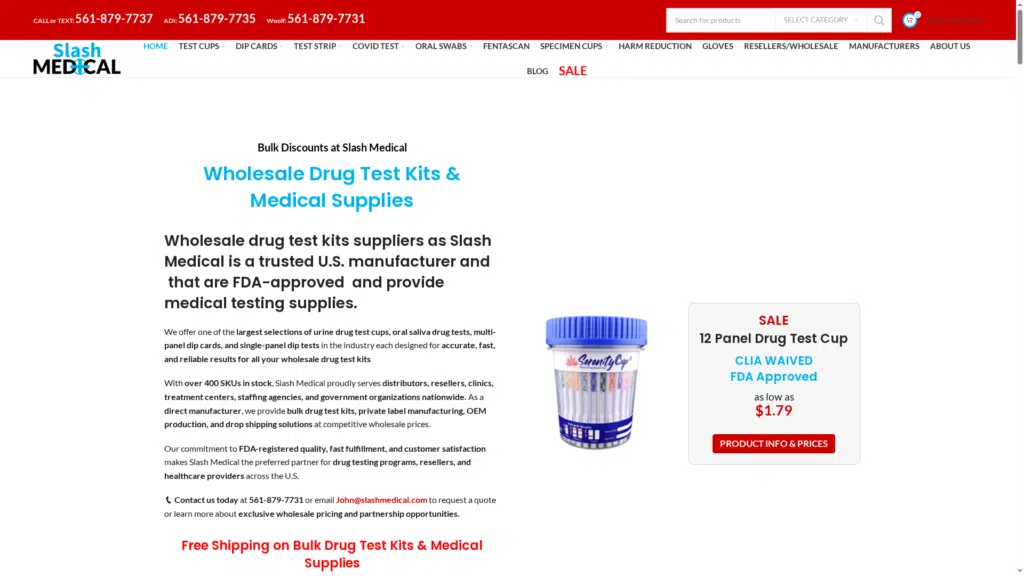
Explore our extensive product catalog at Slash Medical to find high-quality urine and oral drug test cups, dip cards, and test strips built for forensic and clinical use. Take control of your drug testing outcomes by partnering with a direct manufacturer and distributor that understands your challenges and delivers solutions tailored to your needs. Act now to enhance your testing reliability and streamline your inventory with fast nationwide shipping and flexible procurement options. Visit Slash Medical today and empower your program with trusted testing supplies.
Frequently Asked Questions
What are the key steps in the drug testing workflow for accurate results?
The key steps include establishing a reliable supply chain for approved drug test kits, setting up secure sample collection protocols, implementing standardized screening procedures, verifying results with quality assurance checks, and efficiently documenting and reporting outcomes. Follow these steps to ensure the accuracy and reliability of your drug testing processes.
How can I ensure the quality of drug test kits in my supply chain?
Ensure quality by conducting thorough vendor assessments, verifying regulatory certifications, and analyzing production capabilities. Choose suppliers who can provide comprehensive documentation and maintain robust quality management systems.
What are the best practices for secure sample collection during drug testing?
Best practices include creating controlled environments, implementing strict identity verification procedures, and maintaining thorough documentation throughout the collection process. Train all personnel on these protocols to protect specimen validity and donor privacy.
How can I implement standardized screening procedures effectively?
Implement standardized screening by selecting validated testing methodologies that align with federal regulations and best practices. Train your staff on these protocols and establish clear guidelines for initial screening and confirmatory testing methods to ensure consistency in results.
What should I include in the documentation of drug testing results?
Include essential information such as specimen identification numbers, collection timestamps, testing methodologies, and result interpretations in your documentation. Using a structured template will help create legally defensible reports and ensure compliance with regulations.