
Drug Testing Supply Chain: Ensuring Safe Access

Finding wholesale drug testing supplies that meet strict compliance demands is a major concern for clinics and treatment centers worldwide. Nearly 90 percent of American healthcare facilities rely on well-coordinated supply chains to prevent costly errors and uphold patient safety standards. For procurement managers, understanding every link in the drug testing supply chain is the foundation for making reliable purchasing decisions and minimizing operational risks.
Table of Contents
- Drug Testing Supply Chain Defined And Explained
- Types Of Drug Testing Supplies And Variations
- Key Stages In Drug Testing Supply Logistics
- Critical Compliance And Regulatory Requirements
- Risks, Errors, And Security Challenges
- Cost Considerations And Bulk Procurement Strategies
Key Takeaways
| Point | Details |
|---|---|
| Drug Testing Supply Chain | A robust supply chain is essential for maintaining the integrity and quality of drug testing, involving collaboration among multiple stakeholders from sourcing to delivery. |
| Regulatory Compliance | Adherence to regulations like DSCSA, GMP, and GDP is crucial for ensuring product safety and effectiveness throughout the supply chain. |
| Risk Management | Organizations must implement comprehensive risk assessment strategies to safeguard against disruptions and maintain product integrity. |
| Cost-Effective Procurement | Strategies such as bulk purchasing can lead to significant savings, but require careful planning to ensure quality and manage inventory effectively. |
Drug Testing Supply Chain Defined and Explained
The drug testing supply chain represents a critical infrastructure connecting manufacturers, distributors, and healthcare providers to ensure reliable and safe drug screening processes. Pharmaceutical supply networks are intricate systems involving multiple stakeholders dedicated to delivering accurate and high-quality testing materials.
At its core, the drug testing supply chain encompasses several key stages: raw material sourcing, manufacturing, quality control, packaging, distribution, and final delivery to clinics, treatment centers, and healthcare facilities. Each stage requires meticulous coordination to maintain the integrity of drug testing products. Manufacturers must carefully select raw materials, implement rigorous testing protocols, and ensure compliance with federal regulations like those established by the FDA and CLIA.
The complexity of this supply chain demands strategic collaboration among raw material suppliers, test kit manufacturers, logistics providers, and end-user organizations. Geographic diversification and transparent processes are critical for building resilience against potential disruptions. Procurement managers must evaluate suppliers based on their ability to consistently deliver high-quality, compliant drug testing products that meet stringent medical standards.
Pro tip: Develop robust supplier assessment metrics that include quality certifications, production capacity, regulatory compliance, and historical performance to optimize your drug testing supply chain reliability.
Types of Drug Testing Supplies and Variations
Drug testing technologies encompass a wide range of supplies designed to detect substance use across various specimen types. Drug testing involves multiple specimen collection methods, including urine, blood, oral fluid, hair, and breath samples, each offering unique advantages for different screening scenarios. Urine tests remain the most common, providing a balance between ease of collection and comprehensive screening capabilities.
The primary variations in drug testing supplies include panel count configurations, which range from basic 5-panel tests to comprehensive 12-panel and even 15-panel drug screening kits. These panels can detect different substance classes, such as amphetamines, cocaine, marijuana, opioids, and prescription medications. Specialized test formats also include adulterant detection strips, which help ensure the integrity and authenticity of collected samples by identifying potential tampering attempts.
Technological approaches to drug testing vary significantly, from rapid immunoassay techniques to advanced chromatographic methods. Point-of-care tests offer quick results, while laboratory-based confirmatory tests provide higher levels of accuracy through sophisticated analytical techniques like gas chromatography and mass spectrometry. Healthcare providers and organizations must carefully select testing supplies based on their specific requirements, considering factors such as detection window, substance panels, and the level of precision needed for their particular use case.
Here is a comparison of drug testing specimen types and their unique advantages:
| Specimen Type | Detection Window | Most Common Use | Reliability Factors |
|---|---|---|---|
| Urine | 1-8 days | Workplace, clinics | Easy to collect, moderate accuracy |
| Blood | Hours to 2 days | Emergency, hospitalization | Highly accurate, invasive |
| Oral Fluid | 1-48 hours | On-site screening | Noninvasive, susceptible to contamination |
| Hair | Up to 90 days | Retrospective screening | Long history, requires lab analysis |
| Breath | Minutes | DUI, roadside checks | Immediate, only detects recent use |
Pro tip: When selecting drug testing supplies, prioritize kits with multiple panel configurations and integrated adulterant detection to maximize screening reliability and minimize potential sample manipulation.
Key Stages in Drug Testing Supply Logistics
Drug testing supply logistics involve a complex series of interconnected stages designed to ensure the reliable and efficient delivery of testing materials. Pharmaceutical supply logistics encompass multiple critical stages that begin with raw material procurement and extend through manufacturing, quality control, packaging, and distribution to healthcare providers and testing facilities.
The primary stages of drug testing supply logistics include raw material sourcing, where specialized chemical compounds and testing reagents are carefully selected from verified suppliers. Manufacturing follows, involving precise production processes that adhere to strict quality control standards. This stage requires sophisticated equipment and controlled environments to produce consistent, accurate drug testing supplies. Packaging represents another crucial phase, with specialized containers designed to maintain sample integrity, prevent contamination, and ensure proper storage conditions during transportation.
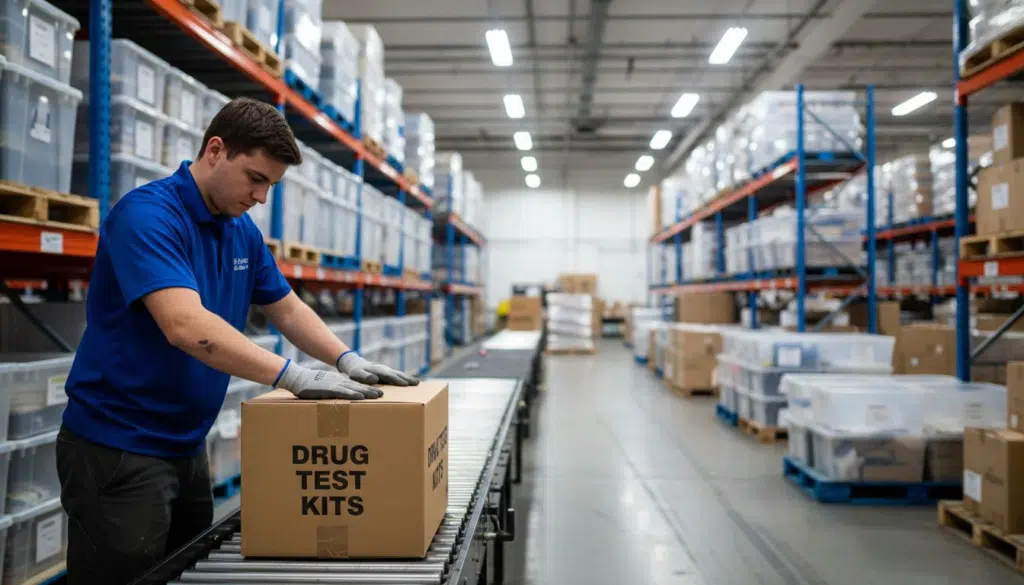
Distribution logistics demand meticulous planning and execution, particularly for temperature-sensitive testing materials. Procurement managers must establish robust distribution networks that can handle various environmental conditions while maintaining the integrity of drug testing supplies. This includes developing comprehensive inventory management systems, implementing temperature-controlled transport methods, and creating flexible supply chain strategies that can quickly adapt to changing demand and potential disruption scenarios.
Pro tip: Develop a comprehensive supplier assessment matrix that evaluates potential vendors based on quality certifications, production consistency, regulatory compliance, and demonstrated reliability in drug testing supply logistics.
Critical Compliance and Regulatory Requirements
The drug testing supply chain operates within a highly regulated environment that demands strict adherence to national and international standards. Pharmaceutical supply chains are governed by rigorous regulatory frameworks designed to ensure product safety, quality, and traceability. These regulations encompass multiple critical areas, including manufacturing processes, documentation, product serialization, and distribution protocols.
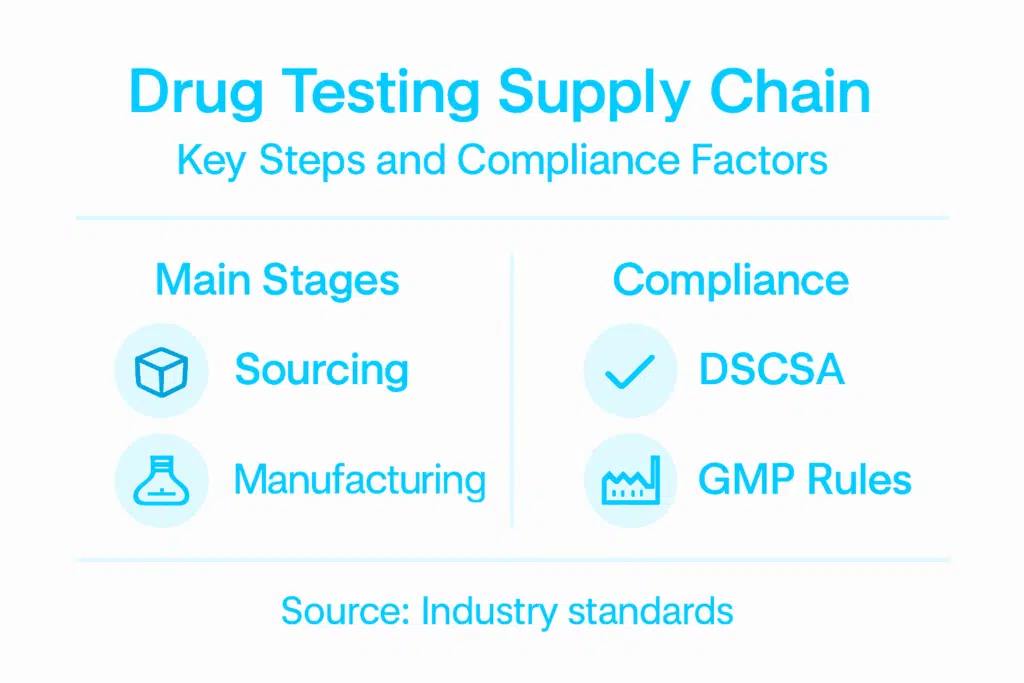
Key regulatory standards include the Drug Supply Chain Security Act (DSCSA), Good Manufacturing Practice (GMP), and Good Distribution Practice (GDP). These frameworks establish comprehensive requirements for drug testing supply chains, mandating detailed tracking systems, quality control protocols, and stringent documentation processes. Serialization becomes crucial, with each drug testing product requiring unique identifiers that enable precise tracking from manufacturing through final distribution, ensuring accountability and preventing potential counterfeiting.
Current Good Manufacturing Practice (CGMP) regulations set minimum standards for drug testing supply processes. These regulations require validated manufacturing environments, controlled production conditions, and robust quality assurance systems. Compliance involves maintaining meticulous records, implementing comprehensive quality control measures, and demonstrating consistent product integrity through regular inspections and comprehensive documentation. Organizations must develop comprehensive compliance strategies that integrate technological solutions, staff training, and continuous monitoring to meet these demanding regulatory requirements.
The table below summarizes key regulatory standards and their impact on the drug testing supply chain:
| Regulation | Main Focus | Supply Chain Impact |
|---|---|---|
| DSCSA | Security & traceability | Unique product serialization, accountability |
| GMP | Manufacturing quality | Strict processes, consistent product standards |
| GDP | Distribution safety | Proper transport, environmental controls |
| CGMP | Compliance & QA | Regular inspections, documentation required |
Pro tip: Implement a comprehensive compliance management system that automatically tracks regulatory updates, documents all production processes, and provides real-time audit trail capabilities for drug testing supply chain operations.
Risks, Errors, and Security Challenges
The drug testing supply chain is vulnerable to multiple complex risks that can compromise product integrity and patient safety. Supply chain disruptions arise from diverse threats, including natural disasters, geopolitical conflicts, criminal attacks, and operational errors that can potentially interrupt critical testing material production and distribution.
Critical security challenges in drug testing supply chains encompass several key areas of vulnerability. Counterfeiting represents a significant risk, with criminal enterprises developing increasingly sophisticated methods to infiltrate legitimate supply networks. Cyber threats pose another substantial challenge, as digital systems managing inventory, tracking, and distribution become prime targets for unauthorized access. These risks can lead to product contamination, compromised test accuracy, and potential patient safety issues that extend far beyond immediate supply chain disruptions. Pharmaceutical supply chains face complex security vulnerabilities that require comprehensive risk management strategies. Organizations must implement multilayered security approaches including advanced digital tracking technologies, rigorous supplier vetting processes, and continuous monitoring systems. Key mitigation strategies involve supplier diversification, developing robust contingency plans, investing in cybersecurity infrastructure, and creating transparent traceability mechanisms that can quickly identify and isolate potential security breaches.
Pro tip: Develop a comprehensive risk assessment matrix that continuously evaluates supplier reliability, maps potential disruption scenarios, and establishes clear protocols for rapid response and recovery during supply chain security incidents.
Cost Considerations and Bulk Procurement Strategies
Drug testing procurement demands a strategic approach that balances quality, reliability, and financial efficiency. Cost-effective drug testing requires careful analytical considerations, with organizations needing to evaluate multiple factors beyond simple price point. Healthcare facilities and treatment centers must develop nuanced procurement strategies that optimize both budget constraints and testing capabilities.
Bulk procurement strategies offer significant advantages for organizations managing drug testing supplies. Purchasing larger quantities typically enables substantial volume discounts, reduces per-unit costs, and provides more predictable inventory management. However, these strategies require sophisticated planning to ensure product shelf life, maintain quality standards, and prevent potential waste. Different testing technologies present varied cost structures, ranging from low-cost point-of-care immunoassays to more sophisticated and expensive mass spectrometry techniques.
Effective cost management in drug testing supply chains involves comprehensive evaluation of direct and indirect expenses. Procurement managers must consider factors including test accuracy, detection capabilities, regulatory compliance, storage requirements, and potential long-term savings from comprehensive screening approaches. Advanced procurement strategies incorporate total cost of ownership models that account for not just initial purchase price, but also factors like staff training, equipment maintenance, and potential downstream healthcare savings from early detection.
Pro tip: Develop a dynamic pricing and procurement model that includes quarterly reviews of testing supply costs, incorporating volume-based negotiation strategies and comprehensive total cost of ownership analysis.
Strengthen Your Drug Testing Supply Chain with Trusted Partners
Navigating the complexities of the drug testing supply chain requires dependable access to high-quality, compliant testing supplies. Challenges such as ensuring regulatory compliance, maintaining sample integrity, and managing bulk procurement can create significant pressure for clinics, treatment centers, and resellers. At Slash Medical, we understand these vital pain points and provide an extensive selection of FDA-approved, CLIA waived drug testing kits designed to meet rigorous standards while offering variety from 5-panel to 15-panel configurations including adulterant detection options.
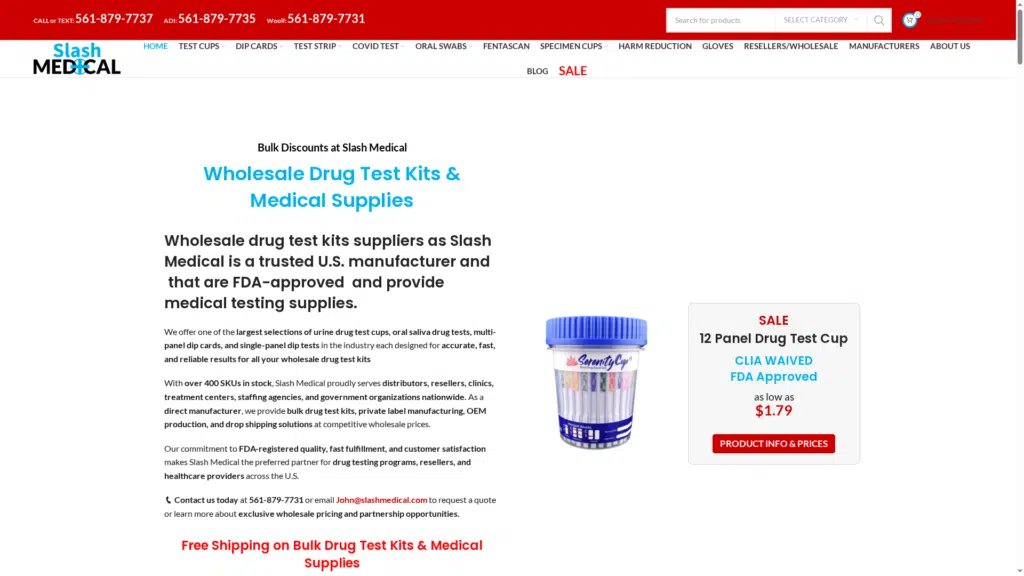
Explore our comprehensive catalog at Slash Medical and take advantage of wholesale pricing, private label manufacturing, and streamlined drop shipping solutions tailored to your operational needs. Act now to secure reliable supplies that enhance your drug testing accuracy and compliance while optimizing cost efficiencies. Visit our product offering and discover why trusted healthcare professionals choose Slash Medical for dependable drug testing supply chain support.
Frequently Asked Questions
What stages are involved in the drug testing supply chain?
The drug testing supply chain includes several key stages: raw material sourcing, manufacturing, quality control, packaging, distribution, and delivery to healthcare facilities. Each stage requires careful coordination to ensure product integrity.
What are the different types of drug testing supplies available?
Drug testing supplies vary widely, including urine, blood, oral fluid, hair, and breath tests. Each specimen type has its own advantages, detection windows, and best use scenarios, influencing the choice of testing supply.
How do regulatory requirements impact the drug testing supply chain?
Regulatory requirements, such as the Drug Supply Chain Security Act and Good Manufacturing Practices, dictate strict standards for manufacturing, tracking, and distribution of drug testing supplies to ensure safety and quality throughout the supply chain.
What risks should be considered in the drug testing supply chain?
Risks in the drug testing supply chain include counterfeiting, supply disruptions from natural disasters or cyber threats, and operational errors. Organizations must implement security measures and risk management strategies to mitigate these vulnerabilities.