
Why Bulk Drug Tests Matter for Treatment Centers
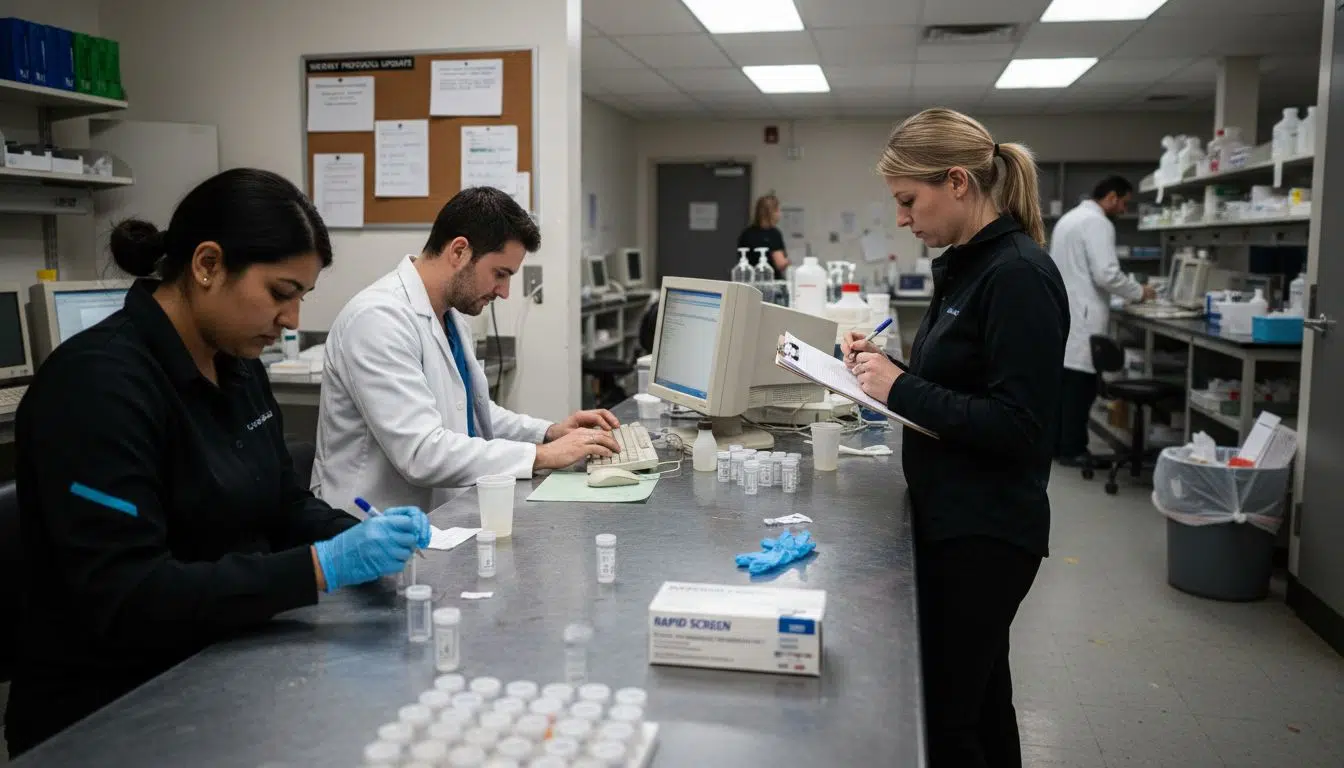
Finding reliable drug test kits at affordable prices can feel like a constant challenge for treatment centers across the United States. Accurate patient monitoring is vital for compliance and program success, but cost and consistency remain pressing concerns. Bulk drug testing offers a powerful solution, allowing directors to balance clinical quality with budget needs while ensuring every kit meets strict FDA safety and regulatory guidelines. Discover how strategic bulk purchasing transforms patient care and streamlines compliance without sacrificing reliability. Ultimately, understanding why Bulk Drug Tests Matter can significantly enhance treatment outcomes.
Table of Contents
- Bulk Drug Testing Defined And Debunked
- Types Of Bulk Drug Tests And Panel Options
- How Bulk Testing Supports Clinical Compliance
- Cost-Effectiveness And Supply Chain Advantages
- Risks, Regulatory Issues, And Best Practices
Key Takeaways
| Point | Details |
|---|---|
| Bulk Drug Testing Implementation | Systematic bulk drug testing helps monitor patient compliance and substance use effectively. Establish standardized protocols to enhance accuracy and maintain trust. |
| Cost-Effectiveness | Purchasing drug tests in bulk reduces costs and streamlines supply chain management, increasing overall efficiency in treatment centers. |
| Regulatory Compliance | Adhering to FDA regulations and maintaining rigorous quality control is crucial for patient safety and avoiding legal issues. Regular audits and documentation are essential. |
| Panel Selection Strategy | Choose drug test panels that align with treatment goals and patient demographics, ensuring comprehensive yet cost-effective screening solutions. |
Bulk drug testing defined and debunked
Bulk drug testing represents a systematic approach treatment centers use to monitor patient substance use patterns and compliance with recovery programs. At its core, bulk drug testing involves purchasing multiple testing kits in large quantities to efficiently screen patients for various controlled substances. The FDA defines bulk drug substances as active pharmaceutical ingredients used to prepare tailored medical interventions, highlighting the critical regulatory framework surrounding these testing materials.
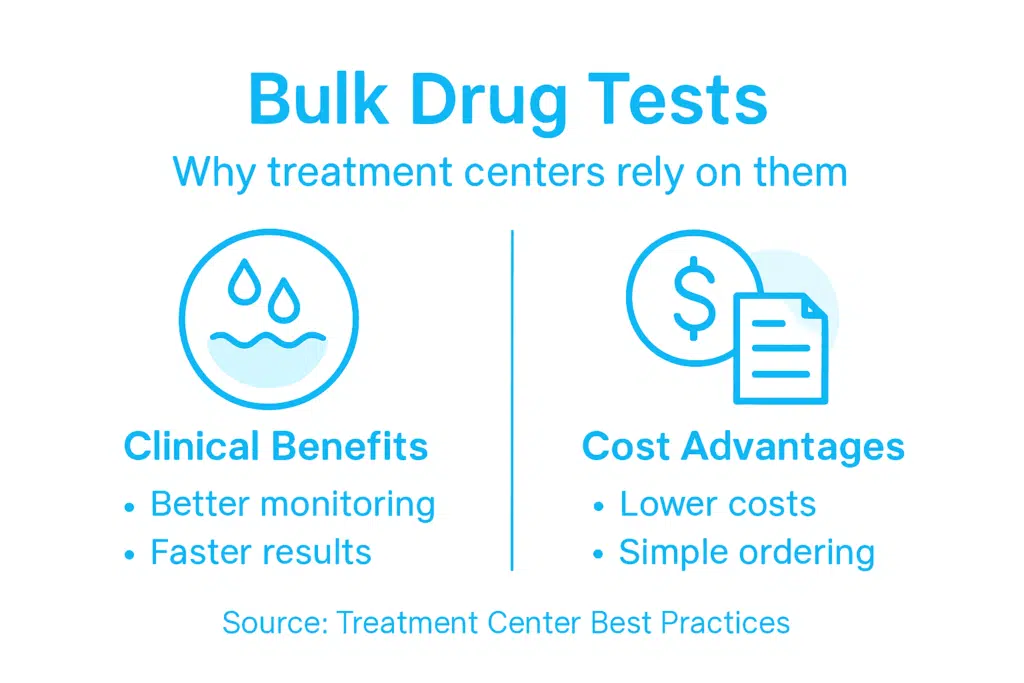
Understanding bulk drug testing means recognizing its multifaceted role in treatment centers. These comprehensive screening processes allow clinical directors to track patient progress, identify potential relapse risks, and maintain program integrity. Modern bulk drug tests can detect multiple substances simultaneously, including opioids, stimulants, benzodiazepines, and synthetic drugs. By purchasing tests in large volumes, treatment centers can significantly reduce per-test costs while maintaining high-quality screening standards.
Common misconceptions about bulk drug testing often revolve around accuracy and reliability. While no testing method is 100% perfect, advanced drug test technologies have dramatically improved detection capabilities. False positives can occur, but professional-grade tests minimize these risks through rigorous validation processes. Treatment centers should prioritize FDA-approved testing kits, implement consistent protocols, and train staff in proper administration to ensure the most reliable results.
Why Bulk Drug Tests Matter
Pro tip: When implementing a bulk drug testing program, develop a standardized protocol that includes multiple verification steps to enhance result accuracy and maintain patient trust.
Types of bulk drug tests and panel options
Bulk drug testing involves a range of panel configurations designed to meet diverse screening needs for treatment centers. Drug testing methods vary significantly, with options ranging from basic 5-panel tests to comprehensive 12 and 13-panel screening configurations. These panels are engineered to detect multiple substance classes, providing clinical directors with nuanced insights into patient substance use patterns.
Typical panel options include:
Here is a quick comparison of common bulk drug test panel configurations and their typical applications:
| Panel Type | Substances Detected (Examples) | Typical Use Case |
|---|---|---|
| 5-Panel Test | Marijuana, cocaine, opiates | Standard workplace screening |
| 10-Panel Test | Plus benzos, barbiturates | Broader clinical environments |
| 12-Panel Test | Adds synthetic opioids, more | Comprehensive treatment centers |
| Specialized Panel | Region-specific designer drugs | Customized clinical requirements |
- 5-Panel Test: Screens for core substances like marijuana, cocaine, opiates, amphetamines, and phencyclidine
- 10-Panel Test: Expands coverage to include benzodiazepines, barbiturates, and additional prescription medications
- 12-Panel Test: Offers most comprehensive screening, adding synthetic opioids and designer drugs
- Specialized Panels: Custom configurations targeting specific substance groups or regional drug trends
The selection of an appropriate drug test panel depends on multiple factors, including treatment center protocols, patient population characteristics, and specific clinical objectives. 12-Panel Drug Test configurations represent a gold standard for comprehensive substance screening, providing treatment professionals with detailed and actionable information about potential substance use.
Pro tip: Select drug test panels that align with your specific treatment center’s clinical goals and patient demographic, balancing comprehensive screening with cost-effectiveness.
How bulk testing supports clinical compliance
Clinical compliance in substance use treatment centers relies heavily on systematic and comprehensive drug testing protocols. Drug testing regulations establish critical standards that guide treatment centers in maintaining patient safety and treatment integrity. By implementing bulk testing strategies, clinical directors can develop robust monitoring systems that track patient progress, identify potential relapse risks, and ensure adherence to established treatment protocols.
The core components of clinical compliance through bulk drug testing include:
- Consistent Monitoring: Regular and predictable testing schedules
- Comprehensive Screening: Multiple-panel tests detecting various substance classes
- Accurate Documentation: Detailed record-keeping for legal and medical purposes
- Standardized Procedures: Uniform testing protocols across treatment programs
Drug testing in treatment programs serves multiple compliance objectives beyond simple substance detection. These comprehensive screening processes help treatment centers validate patient progress, support medical decision-making, and provide objective evidence for insurance reporting, legal requirements, and ongoing therapeutic interventions. By purchasing tests in bulk, treatment centers can maintain high-quality screening standards while significantly reducing per-test costs and ensuring consistent, reliable monitoring.
Pro tip: Develop a comprehensive drug testing policy that clearly outlines testing frequency, panel selections, and patient communication protocols to maximize clinical compliance and treatment effectiveness.
The table below summarizes critical factors for maintaining compliance and quality in bulk drug testing programs:
| Compliance Factor | Importance in Drug Testing | Impact on Treatment Center |
|---|---|---|
| Documentation | Ensures traceability and accuracy | Reduces liability and errors |
| Standardized Protocol | Minimizes testing variability | Supports program consistency |
| Quality Control | Maintains test reliability | Protects patient safety |
| Staff Training | Prevents procedural mistakes | Promotes trustworthy results |
Cost-effectiveness and supply chain advantages
Bulk drug testing represents a strategic approach for treatment centers to optimize financial resources and maintain robust supply chain management. Bulk substance testing enables organizations to minimize waste, reduce per-unit costs, and ensure consistent quality across testing protocols. By purchasing drug test kits in large quantities, treatment centers can achieve significant economic advantages while maintaining high standards of patient monitoring and care.
Key cost-effectiveness benefits include:
- Volume Discounts: Lower per-test pricing when purchasing in bulk
- Reduced Procurement Overhead: Fewer administrative transactions
- Predictable Inventory Management: Consistent supply with minimal stockouts
- Standardized Testing Processes: Uniform protocols reducing variational expenses
Supply chain advantages extend beyond immediate financial savings. Treatment centers can develop strategic partnerships with manufacturers, negotiate more favorable contract terms, and create more predictable budgeting models. By implementing bulk testing strategies, organizations can streamline their procurement processes, reduce administrative complexity, and allocate more resources directly to patient care and treatment programs.

Pro tip: Develop long-term bulk purchasing agreements with trusted manufacturers to maximize cost savings and ensure consistent, high-quality drug testing supplies.
Risks, regulatory issues, and best practices
Bulk drug testing in treatment centers involves navigating complex regulatory landscapes that demand meticulous attention to detail and compliance standards. FDA regulations on bulk drug substances establish critical guidelines that treatment centers must follow to ensure patient safety, maintain testing integrity, and avoid potential legal complications.
Key regulatory risks and compliance considerations include:
- Contamination Risks: Potential for compromised test accuracy
- Documentation Requirements: Maintaining comprehensive testing records
- Quality Control: Ensuring consistent testing methodologies
- Legal Compliance: Adhering to state and federal testing regulations
Treatment centers must implement robust risk management protocols that go beyond basic regulatory compliance. This involves selecting verified testing suppliers, maintaining detailed chain of custody documentation, and developing standardized procedures that minimize variability and potential errors. Regular staff training, ongoing quality assurance reviews, and staying current with evolving FDA guidance are essential strategies for mitigating risks associated with bulk drug testing programs.
Pro tip: Conduct quarterly comprehensive audits of your drug testing protocols to proactively identify and address potential compliance gaps before they become significant issues.
Optimize Your Treatment Center’s Drug Testing with Slash Medical
Bulk drug testing is essential for treatment centers striving for accurate patient monitoring and clinical compliance. The article highlights challenges such as ensuring reliable test accuracy, managing costs, and selecting the right panel options to address diverse substance use patterns. If these pain points resonate with your facility’s goals, Slash Medical offers a powerful solution through its extensive range of FDA-approved drug test kits available for wholesale purchase. Our inventories include 5 to 12-panel test kits, adulterant testing supplies, and specialized configurations to support your compliance and monitoring protocols.
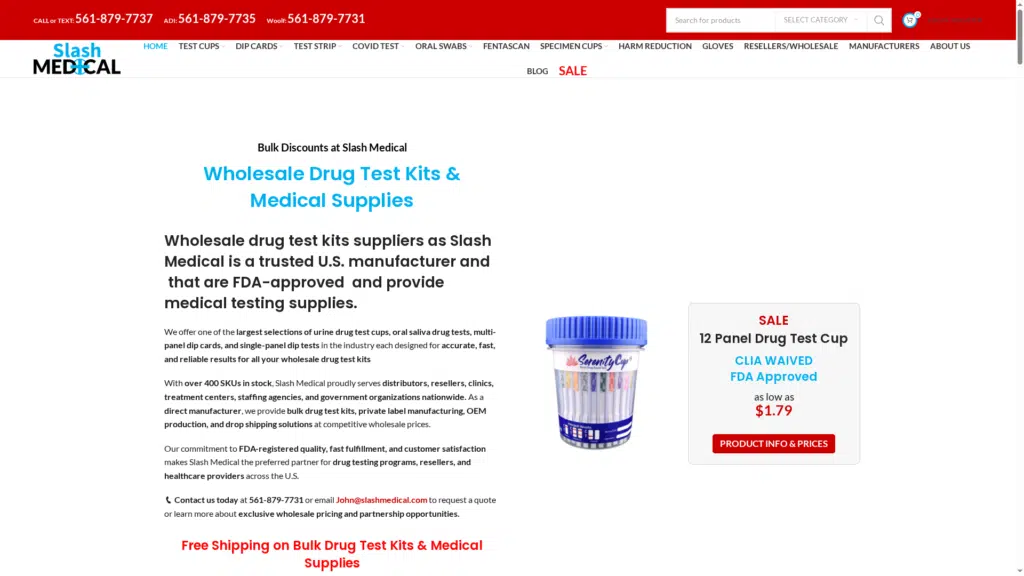
Take control of your bulk drug testing needs today by visiting Slash Medical where you can explore over 400 SKUs designed for clinical and forensic use. Benefit from competitive pricing, private label manufacturing, and reliable nationwide shipping to keep your testing program consistent and cost-effective. Don’t wait to enhance your treatment center’s drug screening capabilities with trusted supplies from Slash Medical. Discover our selection of 12-Panel Drug Test Kits and streamline your procurement process now.
Frequently Asked Questions
What is bulk drug testing?
Bulk drug testing is a systematic approach used by treatment centers to monitor patient substance use. It involves purchasing multiple testing kits in large quantities to efficiently screen patients for various controlled substances.
How does bulk drug testing support patient compliance?
Bulk drug testing supports patient compliance by providing consistent monitoring, comprehensive screening, and accurate documentation. This helps treatment centers track patient progress and identify potential relapse risks.
What are the different types of bulk drug test panels available?
Bulk drug test panels vary from basic 5-panel tests to more comprehensive 12 and 13-panel configurations. These panels can detect various substance classes, including opioids, stimulants, benzodiazepines, and synthetic drugs.
What are the cost advantages of bulk drug testing for treatment centers?
The cost advantages of bulk drug testing include volume discounts on test kits, reduced procurement overhead, predictable inventory management, and standardized testing processes, all of which can significantly lower per-test costs.