7 Steps Drug Testing Program Checklist for Clinics and Centers

Over 60% of American clinics report difficulty managing bulk drug testing orders while maintaining compliance. For procurement officers, balancing cost control with precise documentation often feels like solving a complex puzzle. By focusing on a step-by-step approach that evaluates organizational needs, testing kit selection, clear procedures, and ongoing review, you can build a drug testing program that delivers accuracy and efficiency without compromising staff or patient safety.
Table of Contents
- 1. Assess Organizational Drug Testing Needs And Goals
- 2. Choose The Right Testing Kits For Your Facility
- 3. Establish Clear Drug Testing Policies And Procedures
- 4. Ensure Regulatory Compliance And Documentation
- 5. Train Staff On Test Administration And Handling
- 6. Set Up Secure Collection And Chain Of Custody Processes
- 7. Monitor, Evaluate, And Update Your Testing Program
Quick Summary
| Takeaway | Explanation |
|---|---|
| 1. Conduct a Needs Assessment | Evaluate your organization’s substance use patterns and compliance requirements to tailor your drug testing program effectively. |
| 2. Choose Suitable Testing Kits | Select drug testing kits based on detection needs, testing methods, and regulatory compliance to ensure accuracy and reliability. |
| 3. Develop Clear Policies | Create comprehensive drug testing policies that outline testing procedures, employee rights, and consequences for positive results to maintain fairness. |
| 4. Maintain Accurate Documentation | Implement strict documentation practices to protect employee privacy and ensure compliance with legal standards in your testing program. |
| 5. Regularly Review Testing Strategies | Continuously monitor and evaluate your drug testing program to adapt to new challenges and maintain effectiveness over time. |
1. Assess Organizational Drug Testing Needs and Goals
Successful drug testing programs start with a comprehensive understanding of your organization’s unique requirements. Designing an effective screening strategy means carefully evaluating your workplace’s substance use risks, compliance mandates, and operational goals.
The first critical step involves conducting a thorough needs assessment for substance use that examines multiple dimensions of potential workplace substance challenges. This process requires analyzing workplace data such as past incident reports, employee health records, industry safety standards, and potential high risk departments or job roles.
Key Assessment Factors Include:
- Current workplace substance use patterns
- Legal and regulatory compliance requirements
- Safety sensitive job positions
- Potential financial risks from substance abuse
- Industry specific workplace regulations
Organizations should engage human resources, safety managers, and leadership to collaboratively develop a comprehensive understanding of testing needs. This collaborative approach ensures the drug testing program addresses specific organizational contexts while maintaining employee privacy and fairness.
Collecting data from multiple sources provides a nuanced view of potential substance use challenges. By developing a written drug-free workplace policy, organizations can create a structured framework that outlines expectations, testing protocols, and support resources.
Pro tip: Consider engaging an external workplace substance use consultant to provide an objective, comprehensive needs assessment that identifies potential blind spots in your current screening approach.
2. Choose the Right Testing Kits for Your Facility
Selecting appropriate drug testing kits is crucial for maintaining accurate screening processes and ensuring workplace safety. Your testing strategy needs to balance precision, reliability, and compliance with specific organizational requirements.
When evaluating testing options, consider recommended good practices for patient testing that emphasize selecting FDA cleared test systems. Organizations must carefully examine multiple factors to determine the most suitable drug testing approach.
Key Selection Criteria:
- Detection panels required (5 panel, 10 panel, etc)
- Testing methodology (urine, oral fluid, hair)
- Sensitivity and specificity of test kits
- Regulatory compliance standards
- Budget constraints
- Turnaround time for results
Effective kit selection involves understanding the unique needs of your workplace and matching those requirements with appropriate screening technologies. Proficiency testing programs can provide valuable insights into kit performance and validation processes.
Most facilities benefit from comprehensive testing panels that cover a wide range of substances while maintaining high accuracy standards. Consider consulting with laboratory professionals who can provide specialized guidance on selecting the most appropriate testing solutions for your specific environment.
Pro tip: Request validation data and performance metrics from manufacturers before finalizing your testing kit purchases to ensure maximum reliability and compliance.
3. Establish Clear Drug Testing Policies and Procedures
Developing comprehensive drug testing policies is critical for creating a safe workplace environment and maintaining legal compliance. Your organization needs a well structured framework that clearly communicates expectations and procedures around substance screening. Federal regulations for drug testing require careful consideration of legal standards and employee rights. A robust policy must balance organizational safety needs with individual privacy protections.
Key Policy Components:
- Explicit testing scenarios and circumstances
- Consequences of positive test results
- Employee rights and confidentiality protocols
- Substance abuse support resources
- Medical review officer procedures
- Appeals and verification processes
Successful policies integrate clinical guidelines for addiction medicine to ensure fair and scientifically grounded approaches. This means developing nuanced procedures that recognize substance use disorders as medical conditions requiring supportive interventions.
Organizations should collaborate with legal counsel and human resources professionals to create policies that are both comprehensive and legally defensible. The goal is establishing a transparent system that promotes workplace safety while treating employees with dignity and respect.
Pro tip: Schedule annual policy reviews to ensure your drug testing procedures remain current with evolving legal standards and medical best practices.
4. Ensure Regulatory Compliance and Documentation
Maintaining precise documentation is the backbone of a successful drug testing program. Your organization must create a systematic approach that meets rigorous regulatory standards while protecting both employee privacy and organizational integrity. Good Documentation Practices provide a critical framework for managing testing records with exceptional precision. These standards ensure your documentation remains legally defensible and scientifically credible.
ALCOAC Documentation Principles:
- Attributable: Clearly identify who performed each action
- Legible: Ensure all records are readable and clear
- Contemporaneous: Record information in real time
- Original: Maintain primary source documentation
- Accurate: Verify data precision and correctness
- Complete: Include all required information
Implementing FDA documentation guidelines requires developing standardized processes for preparing, reviewing, storing, and archiving test results. This systematic approach protects your organization from potential legal challenges and ensures consistent quality control.
Organizations should invest in training staff about documentation requirements and implement digital tracking systems that automatically generate compliant records. Regular internal audits can help identify and correct potential documentation gaps before they become significant issues.
Pro tip: Develop a comprehensive documentation manual that outlines specific protocols for every stage of drug testing record management, and update it annually to reflect current regulatory standards.
5. Train Staff on Test Administration and Handling
Effective drug testing programs rely on well trained staff who understand the nuanced protocols of specimen collection and result management. Comprehensive training transforms your team from simply performing tests to becoming guardians of testing integrity.Test administration protocols require meticulous attention to detail and consistent procedural execution. Your staff must become proficient in multiple aspects of drug testing to maintain program reliability.
Critical Training Components:
- Proper specimen collection techniques
- Chain of custody documentation
- Equipment handling and calibration
- Privacy and confidentiality protocols
- Result interpretation and reporting
- Accommodation procedures for special circumstances
Organizations must develop standardized training requirements that cover both technical skills and ethical considerations. This approach ensures that every team member understands their critical role in maintaining testing accuracy and employee dignity.
Training should be an ongoing process with regular refresher courses and skill assessments. Interactive workshops combining theoretical knowledge with practical demonstrations can help staff internalize complex procedures more effectively than traditional lecture formats.
Pro tip: Create a comprehensive training manual with visual guides and scenario based exercises to help staff develop muscle memory for correct testing procedures.
6. Set Up Secure Collection and Chain of Custody Processes
Maintaining an unbroken chain of custody is the cornerstone of legally defensible drug testing procedures. Your organization must develop a rigorous system that tracks specimens from collection through final analysis with absolute precision.Chain of custody protocols create an unbreakable documentation trail that protects the integrity of test results. Every single interaction with a specimen must be meticulously recorded and verifiable.
Essential Documentation Requirements:
- Unique specimen identification numbers
- Detailed collection time and location
- Names of all personnel handling the specimen
- Precise transfer timestamps
- Secure storage conditions
- Signatures documenting each transfer
Organizations need comprehensive handling procedures that eliminate potential contamination or tampering risks. This means creating standardized forms, training staff on exact protocols, and implementing secure tracking mechanisms.
Digital tracking systems can significantly enhance chain of custody management by providing real time documentation and reducing human error. Consider investing in software that automatically logs each specimen movement with timestamps and personnel information.
Pro tip: Implement a color coded tracking system with tamper evident seals to provide visual confirmation of specimen integrity at each transfer point.
7. Monitor, Evaluate, and Update Your Testing Program
A drug testing program is not a static system but a dynamic process requiring continuous refinement and strategic assessment. Regular evaluation ensures your testing protocols remain effective, compliant, and aligned with evolving workplace and medical standards.Risk based monitoring strategies provide a structured framework for ongoing program assessment. By implementing systematic review processes, organizations can proactively identify potential improvements and address emerging challenges.
Key Evaluation Elements:
- Testing accuracy rates
- Compliance with regulatory standards
- Staff performance metrics
- Cost effectiveness
- Technology and methodology advancements
- Employee feedback and impact
Clinical addiction medicine experts recommend continuous program assessment to optimize testing strategies. This involves collecting data from multiple sources such as testing results, staff performance reviews, and emerging industry research.
Organizations should establish a quarterly review process that includes comprehensive data analysis, stakeholder input, and benchmarking against current best practices. Technology and scientific advancements occur rapidly, making regular program updates essential for maintaining testing integrity.
Pro tip: Create a dedicated evaluation committee with representatives from human resources, medical professionals, and legal departments to ensure multidisciplinary insights during program review sessions.
Below is a comprehensive table summarizing the key processes and strategies for implementing and managing an effective organizational drug testing program as discussed in the article.
| Topic | Main Points | Recommendations |
|---|---|---|
| Assess Needs and Goals | Conduct a needs assessment evaluating substance use patterns, compliance requirements, and safety. | Collaboratively engage relevant stakeholders and establish a written policy tailored to the context. |
| Select Appropriate Kits | Choose kits based on detection panels, testing methodology, and regulatory compliance. | Consult professionals and validate data before purchasing to ensure high accuracy and reliability. |
| Develop Testing Policies | Structure policies detailing testing scenarios, employee rights, and consequences of results. | Regularly update policies to reflect legal requirements and industry standards. |
| Ensure Compliance and Documentation | Maintain rigorous documentation practices that adhere to ALCOAC principles. | Invest in digital tracking systems for precision record management and periodic audits. |
| Train Staff on Administration | Provide training on specimen collection, result reporting, and confidentiality. | Utilize interactive workshops and create a detailed training manual for reference. |
| Implement Secure Chain Processes | Develop a chain of custody protocol to ensure specimen integrity through all stages. | Use tamper-evident seals and unique identifiers to protect against contamination. |
| Program Monitoring and Evaluation | Continuously assess accuracy, compliance, and employee feedback for improvements. | Form an evaluation committee for comprehensive and multidisciplinary program reviews. |
Streamline Your Drug Testing Program with Trusted Supplies from Slash Medical
Implementing a comprehensive drug testing program requires precision, reliability, and compliance at every step. This article highlights critical challenges clinics and centers face such as choosing the right testing kits, maintaining chain of custody, and ensuring regulatory documentation. These pain points can create operational strain and risk compromising test accuracy and legal defensibility.
Slash Medical offers over 400 FDA-approved and CLIA waived drug testing products designed to meet the rigorous demands of your program. Whether you need urine drug test cups, oral fluid kits, or adulterant testing supplies, our bulk purchasing options guarantee consistent quality and cost efficiency. Back your policies and procedures with trusted testing kits that help ensure accurate results and seamless chain of custody documentation.
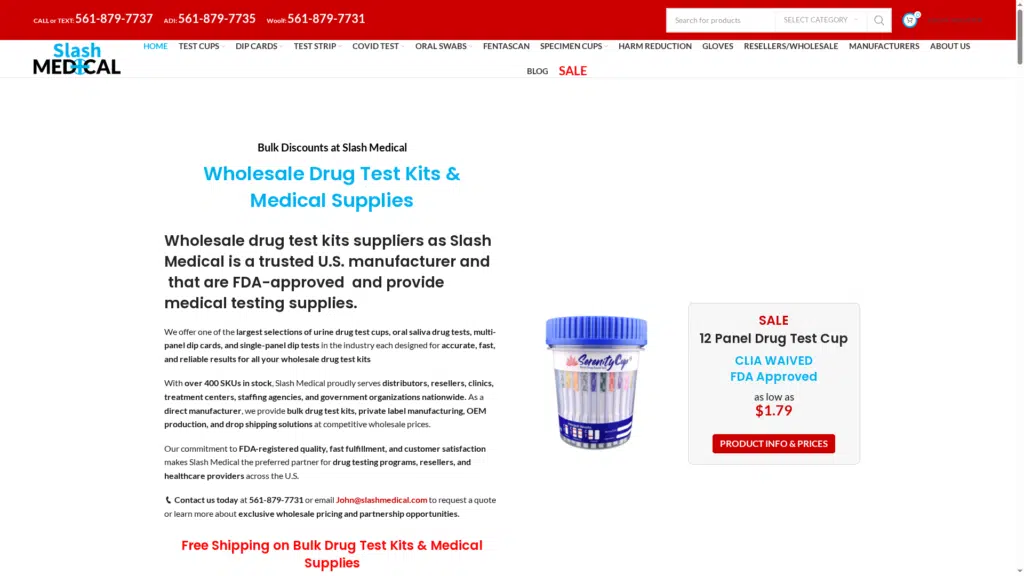
Take control of your drug testing program today by partnering with a reliable supplier who understands your exact needs. Browse our extensive catalog and experience how Slash Medical supports clinics, treatment centers, and government agencies with competitive pricing, private labeling, and nationwide shipping. Visit Slash Medical now to stock your program with dependable testing solutions and stay ahead in compliance and accuracy.
Frequently Asked Questions
What are the first steps to assess my clinic’s drug testing needs?
Start by conducting a thorough needs assessment of your clinic. Evaluate substance use patterns, compliance requirements, and safety-sensitive roles to understand your unique testing goals.
How do I choose the right drug testing kits for my clinic?
Select drug testing kits based on the detection panels required, testing methods such as urine or oral fluid, and the accuracy of the kits. Request validation data from manufacturers to ensure the reliability of your chosen testing solutions.
What key components should I include in my drug testing policy?
Your drug testing policy should clearly outline testing scenarios, consequences for positive results, employee rights, and support resources for substance abuse. Ensure that your policy is comprehensive enough to protect both the clinic and employee privacy.
What documentation practices should I follow for drug testing?
Adopt good documentation practices that ensure records are attributable, legible, and complete. Maintain accurate documentation for each stage of the drug testing process to stay compliant with legal standards.
How can I effectively train staff on drug testing procedures?
Provide ongoing training that focuses on specimen collection techniques, result reporting, and confidentiality protocols. Create a comprehensive training manual with practical exercises to ensure staff are proficient in testing procedures.
How often should I evaluate and update my drug testing program?
Establish a quarterly review process to assess testing accuracy, compliance, and employee feedback. Regular evaluations can help identify areas for improvement and keep your program aligned with current best practices.