
Step by Step Guide to Forensic Drug Testing Success
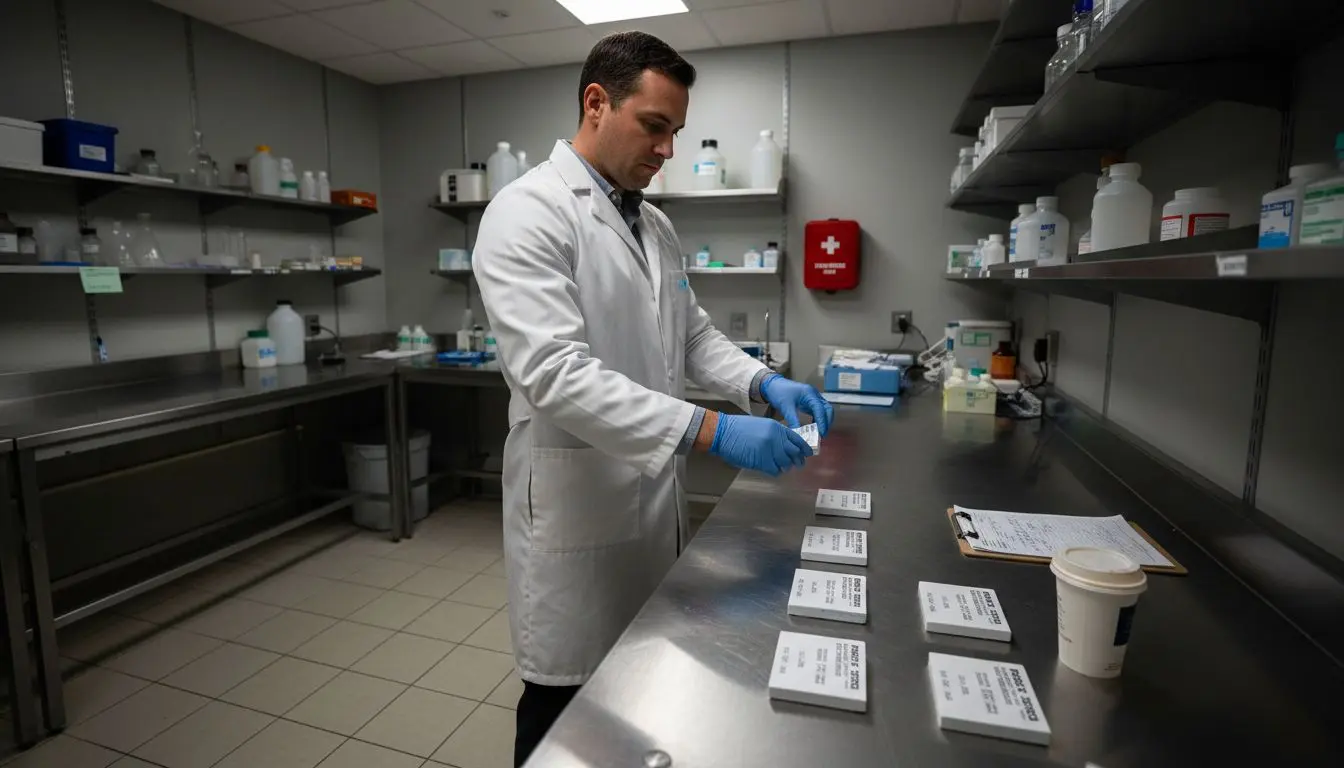
Managing a forensic drug testing program means balancing accuracy, compliance, and the constant need for reliable supplies. Every facility must be equipped with high-quality kits, precision instruments, and thorough documentation to meet strict professional and legal expectations. From forensic laboratory readiness to chain of custody protocols, each step impacts your results and reputation. This guide walks you through proven preparation practices, helping you build a testing environment you can trust.
Table of Contents
- Step 1: Prepare Facilities And Testing Supplies
- Step 2: Collect And Secure Specimens Correctly
- Step 3: Administer Drug Test Kits Systematically
- Step 4: Verify Test Results For Accuracy
- Step 5: Document Findings And Maintain Compliance
Quick Summary
| Major Insight | Explanation |
|---|---|
| 1. Create a dedicated testing environment | A clean and organized workspace minimizes contamination and enhances testing reliability, crucial for accurate drug identification. |
| 2. Adhere to strict documentation protocols | Maintain thorough records of supply usage, specimen collection, and testing procedures to ensure legal defensibility and scientific rigor. |
| 3. Implement systematic specimen collection | Use tamper-evident containers and follow precise protocols to maintain integrity, protecting both samples from contamination and legal challenges. |
| 4. Follow rigorous verification processes | Cross-reference and confirm results through validation techniques to assure accuracy and minimize potential errors in test findings. |
| 5. Standardize administrative procedures | Develop protocols and checklists for routine tasks to ensure consistent execution, significantly enhancing operational efficiency during testing sessions. |
Step 1: Prepare facilities and testing supplies
Preparing your facility for forensic drug testing requires careful planning and systematic organization of testing infrastructure and supplies. Your primary goal is to create a reliable, accurate environment that supports precise drug identification and analysis.
To establish a comprehensive testing setup, you’ll need to focus on several critical aspects. First, review your forensic laboratory readiness to ensure proper equipment and procedural standards. This involves selecting the right testing supplies and creating an environment conducive to accurate substance identification. Your preparation should include:
- Clean, dedicated testing workspace
- High-quality testing kits with multiple panel configurations
- Calibrated precision measurement tools
- Personal protective equipment
- Secure sample collection and storage containers
Each testing facility must maintain strict protocols for supply management. This means establishing inventory tracking systems, maintaining equipment calibration records, and implementing quality control measures. Proper storage of testing supplies is crucial – keep reagents at recommended temperatures, protect sensitive equipment from environmental fluctuations, and regularly inspect all materials for potential contamination or expiration.
Here’s a summary of facility preparation responsibilities and their impact on forensic drug testing:
| Responsibility | Purpose | Impact on Testing |
|---|---|---|
| Supply inventory tracking | Ensures availability and prevents shortages | Minimizes test interruptions |
| Equipment calibration | Maintains accuracy | Improves result reliability |
| Quality control measures | Detects issues early | Protects test validity |
| Secure storage | Prevents contamination and expiration | Preserves sample integrity |
| Documentation | Tracks supply and process history | Supports legal defensibility |
Documentation plays a critical role in forensic drug testing preparation. Maintain comprehensive logs tracking supply acquisition, usage, and replacement cycles. Your records should include lot numbers, expiration dates, and chain of custody information for each testing batch.
Systematic preparation transforms an ordinary testing space into a professional forensic analysis environment.
Pro tip: Conduct monthly equipment and supply audits to prevent unexpected interruptions in your drug testing workflow.
Step 2: Collect and secure specimens correctly
Collecting and securing forensic drug testing specimens requires meticulous attention to detail and strict adherence to professional protocols. Your goal is to maintain sample integrity while preventing potential contamination or tampering throughout the collection process.
When preparing to collect specimens, review the best practices for specimen collection to ensure comprehensive and legally defensible sampling. This involves implementing a systematic approach that protects both the sample and the testing environment. Key steps include:
- Wear appropriate personal protective equipment
- Use sterile, tamper-evident collection containers
- Document chain of custody meticulously
- Minimize direct specimen handling
- Follow precise collection volume guidelines
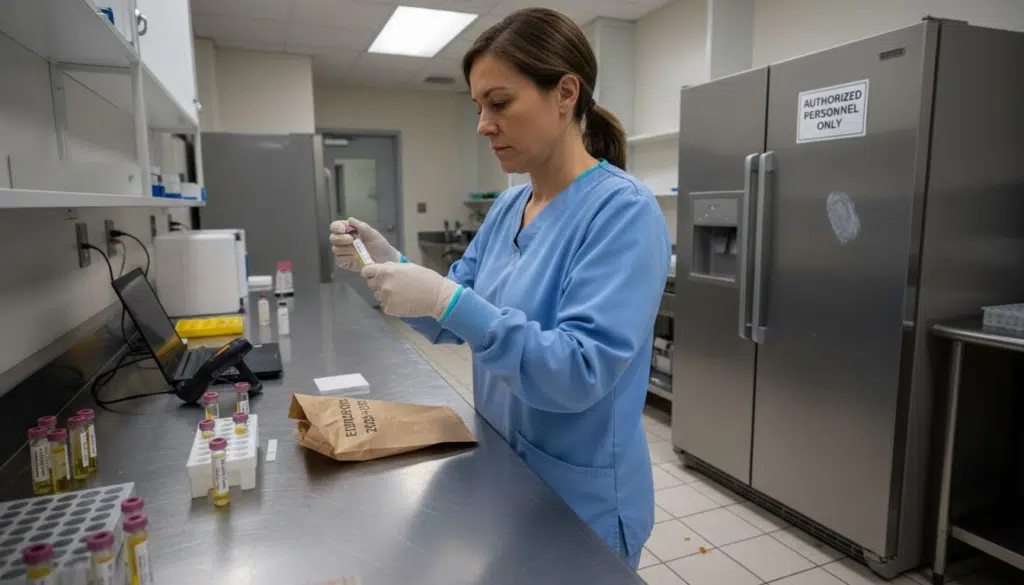
Sample handling requires exceptional care and precision. Each specimen must be immediately labeled with unique identifiers, including date, time, collector information, and source. Temperature-sensitive specimens demand immediate refrigeration or specialized preservation techniques to prevent degradation.
Maintaining sample integrity is not just a procedural requirement – it’s a fundamental scientific and legal obligation.
Secure storage involves more than just placing samples in a refrigerator. Create a dedicated, locked storage area with restricted access and consistent environmental controls. Implement a comprehensive tracking system that logs every movement and interaction with the specimen.
Pro tip: Always collect duplicate specimens when possible to provide backup samples for potential retesting or verification.
Step 3: Administer drug test kits systematically
Administering drug test kits requires precision, consistency, and a methodical approach to ensure accurate and legally defensible results. Your objective is to execute each testing procedure with maximum reliability and minimal potential for error.
Before beginning, carefully review forensic drug testing protocols to guarantee comprehensive testing methodology. Systematic administration involves multiple critical components:
- Check test kit expiration dates
- Verify specimen collection protocols
- Prepare all necessary documentation
- Select appropriate panel configuration
- Calibrate testing equipment
- Establish clear chain of custody
Test kit preparation demands meticulous attention to detail. Each kit must be handled according to manufacturer specifications, with careful consideration of storage temperatures, handling requirements, and potential environmental interactions. Temperature and humidity can significantly impact test accuracy, so maintain consistent environmental conditions throughout the testing process.
Systematic testing is the foundation of reliable forensic drug analysis.
Document every stage of the testing procedure, recording specific details such as lot numbers, testing timestamps, and individual technician information. This comprehensive documentation protects the integrity of your results and provides a clear audit trail for potential future review.
Pro tip: Create a standardized checklist for each testing session to minimize human error and ensure consistent protocol execution.
Step 4: Verify test results for accuracy
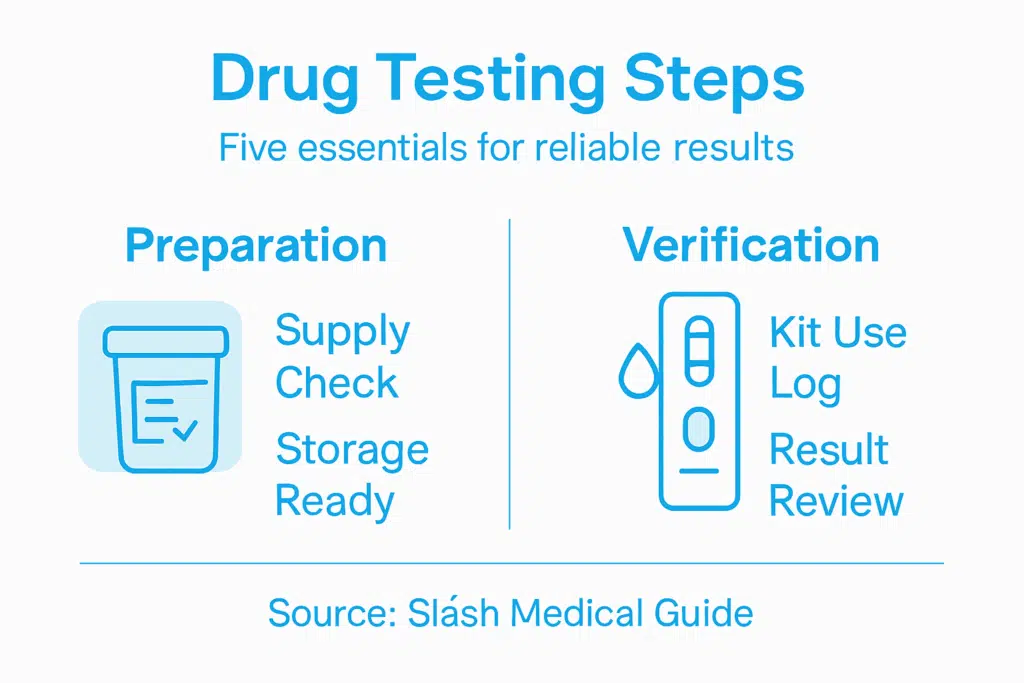
Verifying drug test results is a critical process that demands rigorous scientific scrutiny and systematic validation techniques. Your primary objective is to ensure the absolute reliability and legal defensibility of every test result before reporting or acting on the findings.
Begin by implementing comprehensive method validation protocols that establish the precision and consistency of your testing methodology. This multi-step verification process includes several essential components:
- Cross-reference presumptive test results
- Conduct confirmatory testing
- Use positive and negative control samples
- Compare results across multiple analytical methods
- Analyze instrument calibration records
- Document all verification steps
Result verification requires meticulous attention to potential sources of error. Each test result must undergo thorough scrutiny, examining factors such as specimen integrity, testing environment conditions, instrument performance, and potential interference from other substances. Statistical analysis of test sensitivity and specificity provides additional layers of confidence in your findings.
Forensic drug testing accuracy is not a goal – it is an absolute requirement.
Maintain comprehensive documentation of your verification process, including detailed logs of each analytical step, instrument performance metrics, and any anomalies encountered during testing. These records serve as critical evidence of your commitment to scientific rigor and procedural excellence.
This table compares verification methods for forensic drug testing and their strengths:
| Verification Method | Main Benefit | Typical Use Case |
|---|---|---|
| Confirmatory testing | Highly accurate results | Complex drug identification |
| Cross-referencing techniques | Increases result confidence | Presumptive results validation |
| Control samples analysis | Detects process errors | Routine batch testing |
| Peer review system | Reduces bias | Ambiguous or controversial cases |
Pro tip: Establish a peer review system where a second qualified technician independently validates complex or ambiguous test results.
Step 5: Document findings and maintain compliance
Documenting forensic drug test findings requires precision, transparency, and adherence to rigorous professional standards. Your primary objective is to create comprehensive, legally defensible records that withstand potential scrutiny from regulatory agencies, legal professionals, and scientific reviewers.
Implement comprehensive forensic documentation protocols that capture every critical aspect of your testing process. Effective documentation encompasses multiple essential elements:
- Record detailed test methodology
- Include all analytical parameters
- Note instrument calibration data
- Document chain of custody
- Capture technician identification
- Log environmental testing conditions
Compliance documentation demands meticulous attention to detail. Each report must provide a clear, chronological narrative of the testing process, including potential limitations, instrument performance metrics, and any deviations from standard protocols. Statistical analysis and method validation data should be integrated to provide comprehensive context for your findings.
Forensic documentation is not just paperwork – it is the scientific backbone of legal evidence.
Maintain organized, secure digital and physical archives of all test results, ensuring long-term accessibility and protection of sensitive information. Implement redundant storage systems with strict access controls to preserve the integrity of your forensic records.
Pro tip: Develop a standardized documentation template that automatically captures critical metadata and reduces human error in reporting.
Elevate Your Forensic Drug Testing with Reliable Supplies from Slash Medical
Successfully following every step in forensic drug testing demands precision and dependable resources. From preparing a clean workspace and managing supply inventories to correctly collecting specimens and verifying results, every moment counts in ensuring accuracy and legal defensibility. Facing challenges like ensuring test kit reliability, maintaining strict chain of custody, and documenting findings requires access to premium drug testing products designed for forensic standards.
Slash Medical understands these critical needs. As a leading B2B wholesaler and direct manufacturer, we offer an extensive range of FDA-approved, CLIA waived drug test kits including urine and oral drug testing supplies that support your facility’s quality control and systematic workflows. Whether you require multi-panel test cups, dip cards, or adulterant test strips our bulk purchasing options, private label services, and nationwide shipping solutions empower your organization to maintain consistent testing accuracy and uninterrupted operations.

Unlock the full potential of your forensic drug testing program by partnering with Slash Medical. Explore our comprehensive product catalog here to find supplies that align with forensic protocols and quality assurance measures outlined in your guide. Act now to stock your lab with trusted, cost-effective testing solutions that reinforce every step from specimen collection to reporting. Visit Slash Medical and equip your team with tools designed for forensic success.
Frequently Asked Questions
What are the critical steps in the forensic drug testing process?
The critical steps in the forensic drug testing process include preparing testing facilities, correctly collecting and securing specimens, administering drug test kits systematically, verifying test results for accuracy, and documenting findings while maintaining compliance. Start by reviewing best practices for each step to ensure thorough preparation and execution.
How can I maintain sample integrity during collection?
To maintain sample integrity during collection, wear appropriate personal protective equipment and use sterile, tamper-evident collection containers. Document the chain of custody thoroughly, and label each specimen immediately with unique identifiers to prevent contamination.
What should I do to verify the accuracy of drug test results?
To verify the accuracy of drug test results, implement cross-referencing techniques and conduct confirmatory testing using various analytical methods. Document every verification step to ensure reliability and establish a clear audit trail for your findings.
How should I document forensic drug test findings?
To document forensic drug test findings effectively, record detailed test methodology, analytical parameters, and instrument calibration data in a clear, chronological manner. Ensure that all reports capture technician identification and environmental conditions to support legal defensibility.
What precautions should I take to prepare my testing facility?
To prepare your testing facility, establish clean, dedicated workspaces and maintain rigorous supply inventory tracking and equipment calibration records. Conduct regular audits of your supplies and equipment to minimize interruptions in your drug testing workflow.
Why is comprehensive documentation important in forensic drug testing?
Comprehensive documentation is vital in forensic drug testing as it provides the scientific backbone for legal evidence and supports the reliability of results. Create organized digital and physical archives to protect sensitive information and ensure long-term accessibility.