
Staff Training for Drug Testing: Effective Employee Onboarding

More than 55 percent of American staffing agencies report that effective staff training is the top challenge when rolling out drug testing programs. For compliance officers and HR managers, staying ahead of complex legal requirements and ensuring workplace safety is an urgent priority. This guide highlights step-by-step training solutions designed for American staffing professionals who need practical strategies to build compliant, safe, and confident teams without sacrificing efficiency.
Table of Contents
- Step 1: Assess Organizational Drug Testing Requirements
- Step 2: Prepare Necessary Drug Testing Supplies And Documentation
- Step 3: Develop Tailored Drug Testing Training Modules
- Step 4: Conduct Interactive Staff Training Sessions
- Step 5: Verify Staff Understanding And Compliance
Quick Summary
| Key Insight | Explanation |
|---|---|
| 1. Assess organizational needs first | Evaluate workplace requirements and legal mandates before implementing a drug testing program. Prioritize safety and compliance. |
| 2. Prepare testing supplies and documentation | Gather essential testing materials and organize documentation to ensure accuracy and legal compliance during the drug testing process. |
| 3. Develop targeted training modules | Create training tailored to organizational risks and regulatory requirements, ensuring comprehension of policies among all employees. |
| 4. Conduct interactive training sessions | Engage employees in dynamic training sessions with discussions and practical exercises to reinforce drug testing protocols effectively. |
| 5. Verify understanding and compliance | Implement assessments and tracking systems to confirm employees understand drug testing policies and maintain a culture of safety. |
Step 1: Assess organizational drug testing requirements
Before implementing a drug testing program, organizations must carefully evaluate their specific workplace needs and legal requirements. A comprehensive assessment helps develop a targeted strategy that protects both employee safety and organizational interests. Employers should align their drug testing policies with applicable legal mandates, considering factors like industry sector, workforce risks, and regulatory standards.
The assessment process involves multiple critical steps. First, determine whether your organization falls under specific federal testing regulations. For industries like transportation, motor carriers must evaluate whether employees operate in safety-sensitive roles subject to Department of Transportation drug and alcohol testing rules. This requires carefully reviewing job classifications, understanding potential exemptions, and identifying roles that mandate systematic drug screening.
Next, conduct an internal workforce analysis to understand potential substance misuse challenges. Review workplace stressors, incident reports, and current health and safety metrics to gauge potential risks. This data will help you develop a tailored drug testing approach that addresses your specific organizational environment while maintaining legal compliance and supporting employee wellness.
Pro tip: Create a detailed decision matrix that maps out your industry requirements, job roles, and testing protocols to streamline your drug testing program implementation.
Here’s a breakdown of key factors to consider when assessing workplace drug testing needs:
| Factor | Why It Matters | Impact on Program Design |
|---|---|---|
| Industry Regulations | Defines mandatory testing requirements | Influences policies and procedures |
| Job Role Safety Sensitivity | Identifies positions at higher risk | Prioritizes targeted testing |
| Workforce Incident History | Reveals patterns of substance misuse | Informs frequency and scope of tests |
| Employee Privacy Obligations | Ensures compliance with privacy laws | Shapes consent and data handling |
| Regulatory Standards | Keeps organization within legal bounds | Mandates documentation and reporting |
Step 2: Prepare necessary drug testing supplies and documentation
Preparing for a comprehensive workplace drug testing program requires careful organization of supplies and documentation. Your goal is to establish a systematic approach that ensures accurate testing and maintains legal compliance. Organizations must secure proper testing supplies and develop robust documentation protocols that protect both employee rights and organizational safety standards.
Start by gathering essential testing materials including collection kits for different sample types such as urine, saliva, and blood tests. Ensure you have sufficient chain-of-custody forms, consent documentation, and tracking paperwork. Implement strict procedures for specimen collection that include screening for potential sample adulteration or tampering, which helps maintain the integrity of your testing process. This involves selecting scientifically validated testing kits, training sample collectors, and establishing clear protocols for handling and documenting each specimen.
Create a comprehensive documentation system that tracks every stage of the testing process. This includes detailed consent forms, precise collection logs, and secure result reporting mechanisms. Verify that all paperwork complies with federal and state regulations, and design forms that protect employee privacy while providing the necessary information for legal and safety compliance.
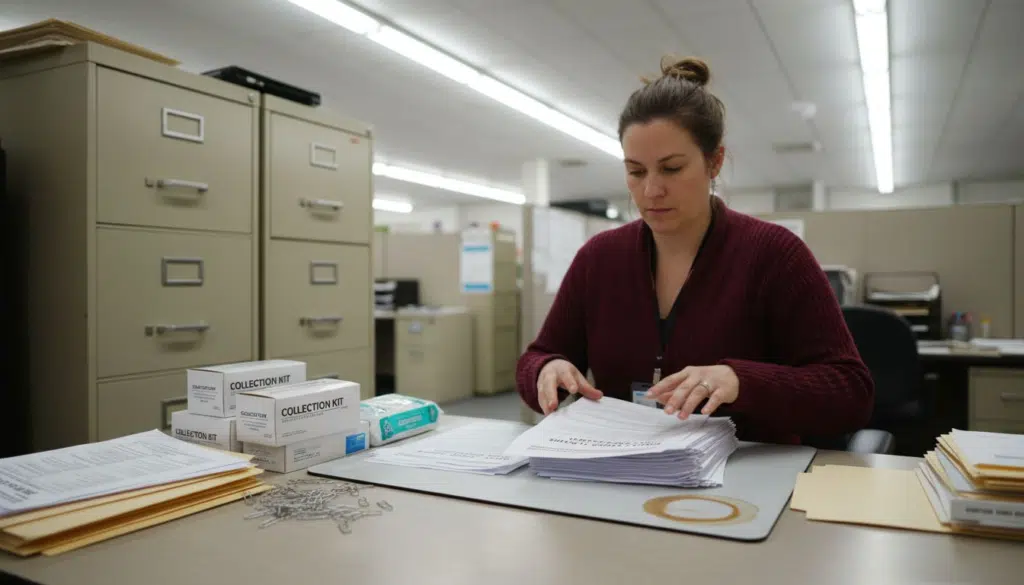
Pro tip: Develop a standardized checklist for drug testing preparation that includes equipment inventory, documentation templates, and verification steps to streamline your testing workflow.
The table below summarizes recommended drug testing supply preparation steps by category:
| Category | Key Actions | Purpose |
|---|---|---|
| Collection Kits | Stock urine, saliva, and blood test kits | Enable testing for all required substances |
| Documentation | Organize consent forms and custody paperwork | Support chain of custody and compliance |
| Process Controls | Train collectors and monitor for adulteration | Protect test integrity and accuracy |
| Secure Storage | Set up locked specimen storage and recordkeeping | Safeguard privacy and evidence management |
Step 3: Develop tailored drug testing training modules
Creating effective drug testing training modules requires a strategic approach that addresses workplace safety, legal compliance, and employee understanding. Training development should begin with a comprehensive needs assessment to identify specific workplace risks and regulatory requirements, ensuring your modules are precisely targeted to your organization’s unique environment.
Structure your training modules to cover critical areas such as policy explanation, testing procedures, and legal context. For organizations with specific industry regulations like transportation, training must incorporate detailed guidance on recognizing impairment signs and understanding regulatory compliance expectations. Focus on educating both employees and supervisors about substance misuse impacts, testing protocols, confidentiality protections, and the broader implications for workplace safety. Include interactive components like scenario based learning, case studies, and practical examples that help participants understand the real world consequences of substance abuse.
Ensure your training modules are comprehensive yet engaging by incorporating multimedia elements, clear visual presentations, and opportunities for participant interaction. Develop separate modules for different organizational roles supervisors will need more detailed procedural training while general employees require a broader understanding of policies and expectations. Regularly update these modules to reflect current legal standards and emerging workplace safety best practices.

Pro tip: Design modular training content that can be easily updated and delivered through multiple platforms to maximize accessibility and engagement.
Step 4: Conduct interactive staff training sessions
Designing and delivering effective drug testing training requires a dynamic and engaging approach that goes beyond traditional lecture methods. Interactive training sessions should actively engage employees through discussions, role-playing scenarios, and practical exercises that reinforce key workplace safety policies, ensuring participants truly understand the importance of drug testing protocols.
Successful training incorporates multimedia presentations, group activities, and targeted quizzes to maximize knowledge retention and practical understanding. Create sessions that are tailored to different organizational roles, recognizing that supervisors and frontline employees will need varying levels of detailed information. Use real world case studies, interactive group discussions, and scenario based learning to help participants understand the broader implications of substance misuse. Encourage open dialogue and questions, creating a supportive environment where employees feel comfortable discussing workplace safety concerns and understanding the rationale behind drug testing policies.
Structure your training sessions to include practical components such as policy walkthroughs, demonstration of testing procedures, and clear explanations of employee rights and confidentiality protections. Break complex information into digestible segments, using visual aids, short video clips, and interactive elements to maintain participant engagement. Remember that the goal is not just compliance, but creating a culture of safety and mutual understanding that supports both organizational objectives and employee wellness.
Pro tip: Rotate training facilitators and include external experts to bring fresh perspectives and maintain participant interest throughout your drug testing training program.
Step 5: Verify staff understanding and compliance
Ensuring your drug testing training program is truly effective requires systematic verification of employee comprehension and commitment to workplace safety policies. Organizations must implement documented assessments such as quizzes, acknowledgment forms, and competency evaluations to confirm employees fully understand drug testing protocols, creating a measurable approach to tracking policy understanding.
Comprehensive compliance verification involves requiring employees to sign official acknowledgment documents and conducting periodic follow-up assessments. Design evaluation methods that go beyond simple multiple choice tests, incorporating scenario based assessments that test practical understanding of drug testing procedures, employee rights, and workplace safety implications. Supervisors should play an active role in monitoring compliance, observing workplace behaviors, and addressing potential performance issues related to substance use or policy misunderstandings.
Establish a consistent tracking system for training records, acknowledgment forms, and assessment results. This documentation not only helps demonstrate regulatory compliance but also provides valuable insights into potential gaps in your training program. Create a supportive environment that encourages ongoing learning and allows employees to seek clarification about drug testing policies without fear of retribution. Regular refresher training and open communication channels will help reinforce expectations and maintain a culture of safety and mutual understanding.
Pro tip: Implement a digital tracking system that allows real time monitoring of training completion, assessment scores, and policy acknowledgment to streamline compliance verification.
Enhance Your Staff Training with Reliable Drug Testing Supplies
Implementing a robust staff training program for drug testing can feel overwhelming when trying to balance compliance, employee understanding, and operational efficiency. Key challenges include securing scientifically validated test kits, ensuring accurate specimen collection, and providing training materials that support legal and safety standards. Your training modules and interactive sessions need trustworthy resources that guarantee integrity and ease of use while helping you build a culture of safety.
At Slash Medical, we understand these pain points. Our extensive selection of FDA-approved and CLIA-waived drug test kits, including urine and oral cups, dip cards, and test strips, is designed to simplify your onboarding and training processes. By choosing our wholesale supplies, you gain access to bulk purchasing options that help you save costs while ensuring a consistent supply. We also support private label and OEM orders to customize your program’s identity.
Take the next step to elevate your employee onboarding and drug testing compliance with dependable supplies from Slash Medical. Explore our product variety and discover solutions crafted for clinics, staffing agencies, and government programs.
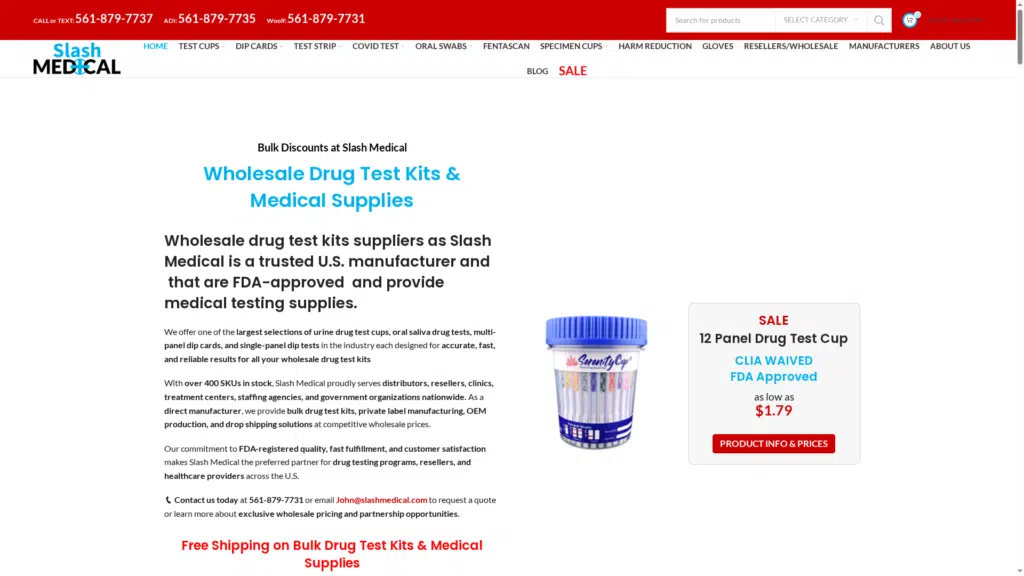
Prepare your team confidently by securing top-quality drug testing supplies now. Visit Slash Medical to browse our complete catalog, enjoy competitive pricing, and benefit from fast nationwide shipping. Don’t wait to build a safer workplace through effective training backed by trusted products.
Frequently Asked Questions
What are the key components of effective staff training for drug testing?
Effective staff training for drug testing should include policy explanation, testing procedures, and legal context. Train employees using interactive components like role-playing scenarios and practical exercises to reinforce understanding.
How can I assess employee understanding of drug testing policies?
You can assess employees’ understanding by implementing documented assessments, such as quizzes and acknowledgment forms. Use scenario-based evaluations to ensure employees grasp practical aspects of testing procedures and their rights within 30 days of training completion.
What methods can I use to make drug testing training engaging for employees?
Incorporate multimedia presentations, group activities, and real-world case studies to create an engaging training experience. Encourage open discussions to foster a supportive environment that invites questions and participation.
How often should staff undergo drug testing training refreshers?
Staff should participate in training refreshers at least annually, or more frequently if there are changes in policies or regulations. Schedule these sessions to reinforce knowledge and maintain compliance with safety standards.
What steps should I take to prepare for staff training on drug testing?
Begin by conducting a needs assessment to identify workplace risks and regulatory requirements. Then, develop tailored training modules that cover essential topics and establish a checklist to ensure all materials are prepared and organized well in advance.
How can I track employee compliance with drug testing training?
Implement a digital tracking system to monitor training completion, assessment scores, and acknowledgment of policies. This allows for real-time updates and ensures that compliance is easily verifiable, fostering an accountable workplace environment.
Why is Staff Training for Drug Testing essential for staffing agencies?
Staff Training for Drug Testing is a top challenge for over 55% of agencies. Effective training ensures that teams can navigate complex legal mandates, correctly manage specimen documentation, and use validated kits. By prioritizing structured training, agencies build compliant, safe, and confident teams without sacrificing operational efficiency.